Getting your skincare routine right can feel like a puzzle, but the secret is simpler than you think: apply products from thinnest to thickest consistency. This rule helps each layer absorb properly, so your serums, moisturizers, and treatments actually work. In this article, I’ll walk you through the exact order for morning and night, common mistakes to skip, and a few pro tips I’ve picked up along the way.
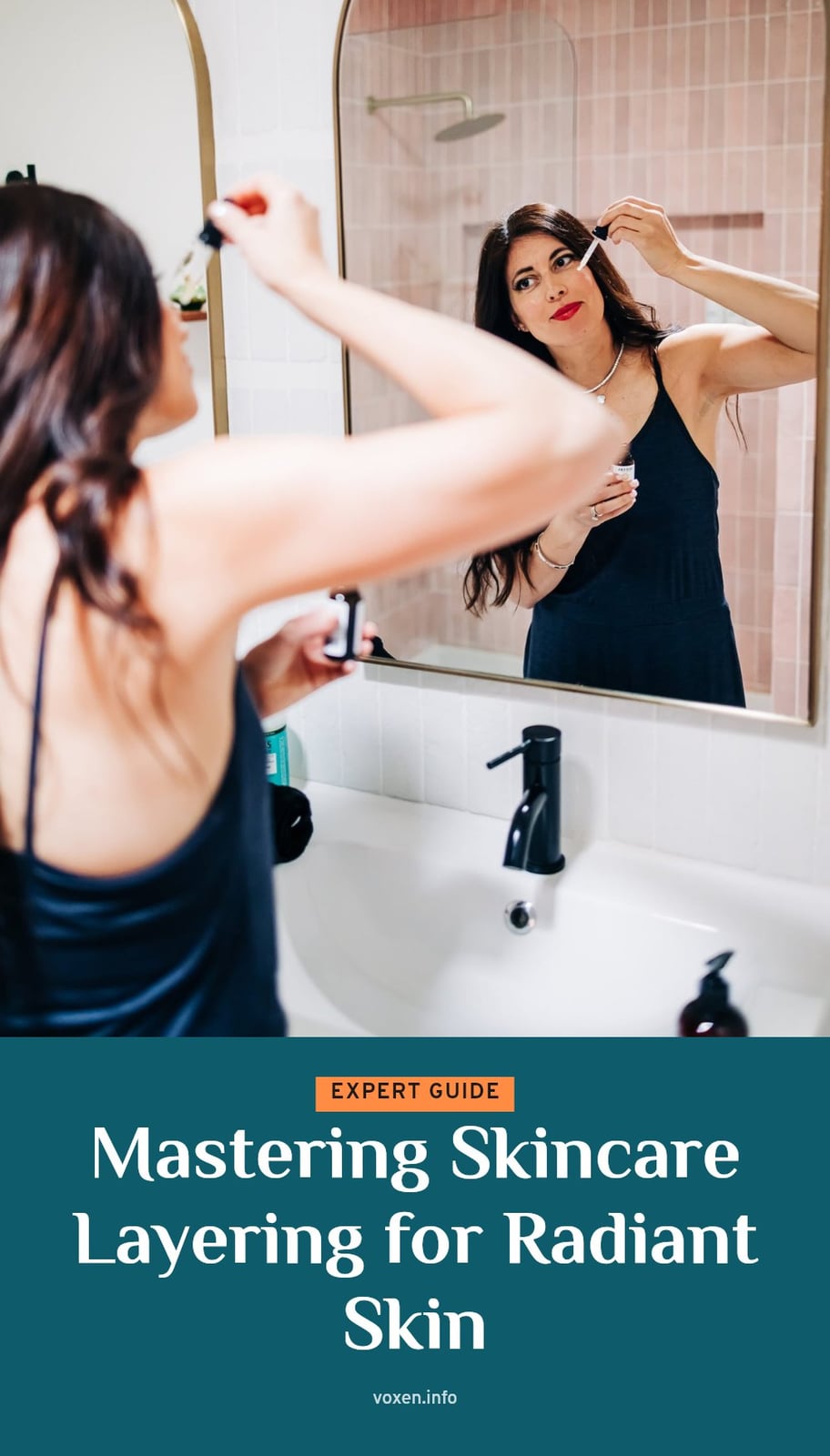
Key Takeaways
- Apply products from thinnest to thickest consistency for best absorption.
- Always start with cleansing, then toner, then serums, then moisturizer.
- Sunscreen is the final step in your morning routine, even on cloudy days.
- Use retinoids and exfoliants only in the evening, and not every day.
- Allow 30-60 seconds between each product so it can sink in.
The Golden Rule for Layering Skincare Products
The golden rule for layering skincare is simple: apply products from thinnest to thickest consistency. Water-based products like toners and serums go on before oil-based ones such as creams and facial oils. This order allows each layer to penetrate effectively without blocking the next. Allow each product 30-60 seconds to absorb before applying the next to enhance efficacy.
Your Skincare Arsenal: Essential Products
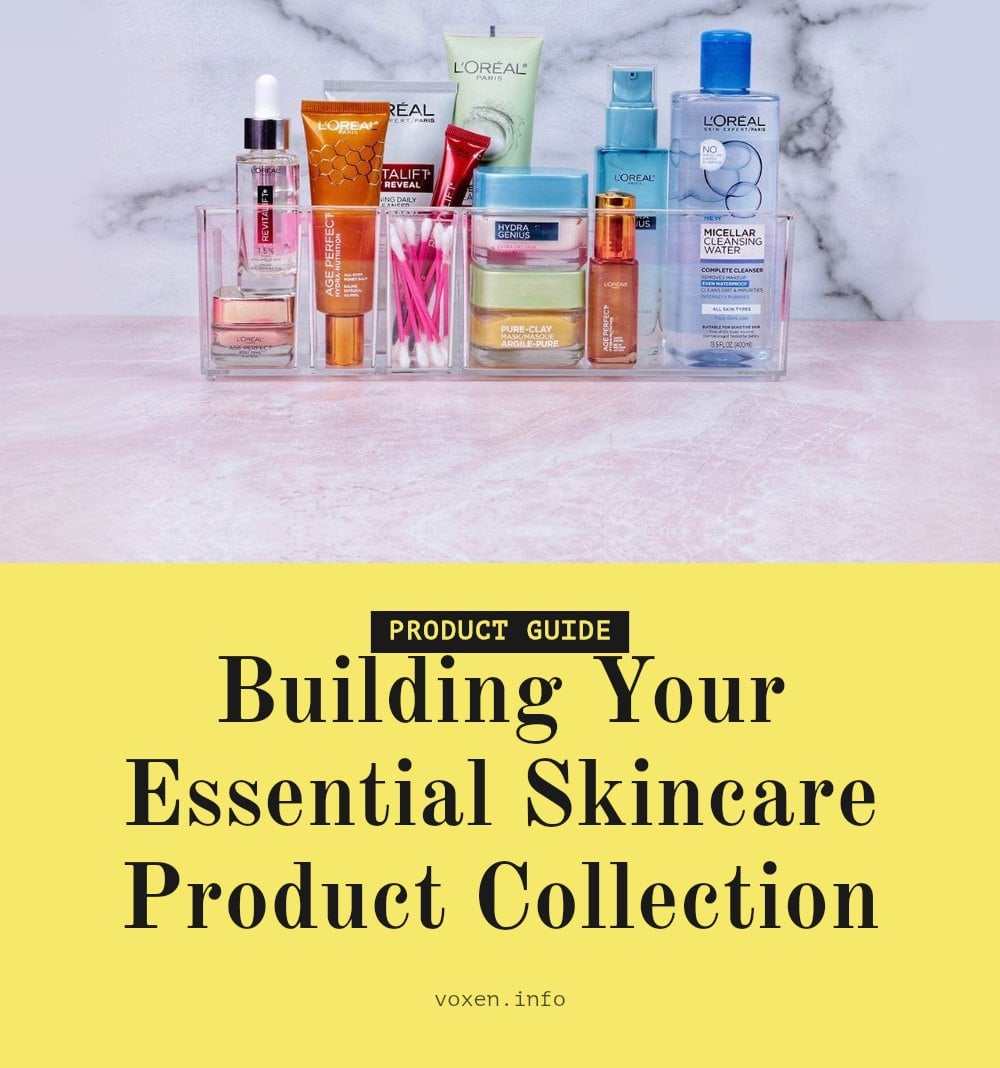
Here are the essential products for a complete routine and what each does:
- Cleanser: Removes impurities.
- Toner: Balances skin pH.
- Exfoliant: Removes dead skin cells (2-3 times a week).
- Serum: Targeted treatment.
- Eye Cream: Hydrates delicate eye area.
- Spot Treatment: Addresses breakouts.
- Moisturizer: Hydrates and locks in moisture.
- Facial Oil: Seals in hydration (optional).
- Sunscreen: Protects against UV damage (morning only).
Your Morning Skincare Routine: Step-by-Step

Start your morning by cleansing your face to remove sweat, bacteria, and any residue from overnight products. A gentle water-based cleanser works best for most skin types at this hour.
- Apply toner: After patting your face dry, sweep toner across your skin with a cotton pad or your hands. This balances pH and preps your skin to absorb the next products more effectively.
- Use targeted serums: Pat on a serum like Vitamin C for antioxidant protection, or hyaluronic acid for hydration. Serums are concentrated, so a few drops are enough.
- Tap on eye cream: Use your ring finger to gently tap a pea-sized amount around the orbital bone, starting from the inner corner outward. This minimizes tugging on delicate skin.
- Seal with moisturizer: Apply a lightweight day moisturizer to hydrate and lock in the benefits of your serums. Let it absorb for 30-60 seconds.
- Finish with sunscreen: This is the most crucial step. Apply a broad-spectrum sunscreen with at least SPF 30 as the final layer, even on cloudy days or if you stay indoors near windows. UV damage accumulates over time.
My tip: Wait 30-60 seconds after moisturizer before applying sunscreen to avoid pilling and ensure even coverage.
Your Evening Skincare Routine: Step-by-Step

Double cleanse first. Start with an oil-based cleanser to dissolve makeup, sunscreen, and excess sebum, then follow with a water-based cleanser to remove any remaining residue. This two-step method ensures your skin is truly clean without stripping it.
- Apply toner: After cleansing, use a toner to rebalance your skin’s pH and prep it for the next products. Pat it in with your hands or a soft cotton pad.
- Exfoliate a few nights a week: Use a chemical exfoliant like an AHA or BHA after cleansing and before serums. Limit this to 2-3 times per week to avoid over-exfoliation.
- Apply targeted serums: Choose serums based on your concerns. Hyaluronic acid for hydration, niacinamide for pores and barrier support, or retinoids for cell turnover. Retinoids are best used at night due to photosensitivity. Allow 30-60 seconds between layers.
- Gently apply eye cream: Use your ring finger to tap a pea-sized amount along the orbital bone, starting from the inner corner outward. Avoid pulling or dragging the skin.
- Finish with a richer night moisturizer: A thicker cream supports skin repair while you sleep. Apply it all over your face and neck.
- Seal with facial oil (optional): If desired, apply a few drops of facial oil after your moisturizer to lock in hydration. For lighter coverage, mix a drop or two into your moisturizer before applying. This step is optional for all skin types.
Caution: Retinoids can increase sun sensitivity. Always use sunscreen in your morning routine when using them at night.
Common Skincare Layering Mistakes to Avoid
Applying products in the wrong order is the most common mistake. Always go from thinnest to thickest consistency so each layer can penetrate properly.
Not allowing absorption time between steps also reduces effectiveness. Give each product 30-60 seconds to sink in before moving to the next.
Skipping sunscreen is non-negotiable, even indoors or on cloudy days. UV damage accumulates over time.
Overloading on active ingredients can irritate your skin. Introduce new actives one at a time and slowly.
Neglecting your neck and décolletage is a missed opportunity. Extend your routine down to your chest.
Not cleansing properly before treatment products blocks everything else. A clean canvas is essential for product efficacy.
Pro Tips for a More Effective Skincare Routine

Patch test new products: Apply a small amount on your jawline or inner arm first, especially with active ingredients. This helps you spot irritation before it spreads.
Listen to your skin: Adjust your routine based on its needs and reactions. If it feels tight or breaks out, simplify.
Consistency is key: Visible results typically appear after 4-6 weeks of daily use. Stick with it.
Don’t forget hydration: Even oily skin needs moisturizer. Skipping it can trigger more oil production.
Store products correctly: Keep them in a cool, dark place away from direct sunlight. Heat and light can degrade active ingredients.
When to Consult a Skincare Professional
If you experience persistent redness, burning, itching, or excessive dryness, discontinue use and consult a dermatologist.
When your current routine isn’t addressing specific concerns like severe acne or hyperpigmentation, a professional can help identify underlying causes and recommend advanced treatments.
Before combining potent active ingredients, especially if you have sensitive skin, seek guidance. A dermatologist can also provide personalized product recommendations tailored to your skin type.
Frequently Asked Questions
How long should I wait between applying skincare products?
Give each product about 30 to 60 seconds to absorb before applying the next layer. This short pause helps prevent pilling and ensures each product can penetrate effectively. You don’t need to wait until your skin feels bone-dry, just until it’s no longer tacky to the touch.
Can I skip certain steps in my skincare routine?
Yes, you can customize your routine based on your skin’s needs. The non-negotiables are cleansing, moisturizing, and sunscreen in the morning. At night, always cleanse, then moisturize. Toners, serums, and exfoliants are optional add-ons for specific concerns. Listen to your skin and skip what doesn’t help.
What’s the difference between a serum and a moisturizer?
A serum is a concentrated treatment designed to target specific concerns like dark spots, fine lines, or dehydration. It has a thinner consistency and delivers active ingredients deep into the skin. A moisturizer is thicker and works to hydrate and seal in everything you applied before it, creating a protective barrier.
How do I know if a skincare product is working for me?
Look for gradual improvements in your skin’s texture, tone, or hydration over 4 to 6 weeks. If a product causes redness, burning, or breakouts that don’t settle, it may not be right for you. Always patch test new active ingredients first, and if irritation persists, stop using the product and consult a dermatologist.
Is it okay to use a facial oil every day?
Yes, many people can use a facial oil daily, but it depends on your skin type. If you have oily or acne-prone skin, start with a few times a week and see how your skin reacts. Apply it after moisturizer to lock in hydration, or mix a drop or two into your moisturizer for a lighter feel.
Final Thoughts
My tip: start with just the basics and add one new product at a time. That way, you can see what works without overwhelming your skin. Expect visible changes after about 4 to 6 weeks of consistent use, but remember, your skin’s needs can shift with seasons or stress. Listen to it, adjust as needed, and stick with the thinnest-to-thickest rule. You’ve got this.
This article is for general informational purposes only and does not constitute medical or professional advice. Skincare products affect individuals differently, and what works for one person may not work for another. If you have a persistent skin concern, severe reaction, or underlying condition, please consult a dermatologist or qualified healthcare professional.

