You’ve probably heard about slugging and wondered if it’s just another TikTok trend or a legit skincare step. The truth is, slugging can be a game-changer for dry, dehydrated skin, but it’s not for everyone. This article covers the most common slugging mistakes, who should skip it entirely, and how to do it right if your skin type is a good match.
Key Takeaways
- Slugging works by sealing in moisture with a thin layer of an occlusive like petroleum jelly.
- Do not slug over active acne or strong ingredients like retinoids and AHAs/BHAs.
- For very dry or damaged skin, slugging once or twice a week can improve hydration.
- Always apply slugging products to clean, slightly damp skin after your moisturizer.
- Skip slugging entirely if you have fungal acne or are prone to frequent breakouts.
What is Slugging and Why is Everyone Talking About It?
Slugging is the practice of applying a thin layer of an occlusive product, most commonly petroleum jelly, as the final step in your nighttime skincare routine. The term comes from K-beauty and describes the dewy, slug-like appearance of your skin after application. Its main purpose is to prevent transepidermal water loss (TEWL) by locking in the moisture from the products you applied underneath. This deeply hydrates and supports the repair of your skin barrier. While it can transform dry, sensitive skin, it is not for everyone. Those with active acne or certain skin conditions may find it worsens their issues.
How Slugging Works Its Skincare Magic
Slugging works by creating an impenetrable barrier on your skin’s surface. This barrier physically prevents water from evaporating from the outer layer of your skin, a process known as transepidermal water loss. By keeping moisture locked in, you maintain a higher level of hydration within the skin.
How It Supports Skin Barrier Repair
A compromised skin barrier is often dry, irritated, and unable to hold onto water. Slugging gives that barrier a protected environment to heal. The occlusive layer keeps the skin continuously hydrated, which supports the natural repair process. This is especially helpful if your barrier is damaged from over-exfoliation or retinoid use.
- Prevents water loss: The occlusive layer stops moisture from escaping.
- Maintains hydration: Keeps the skin plump and hydrated for hours.
- Supports healing: Creates ideal conditions for barrier repair.
Your Slugging Essentials: What You’ll Need
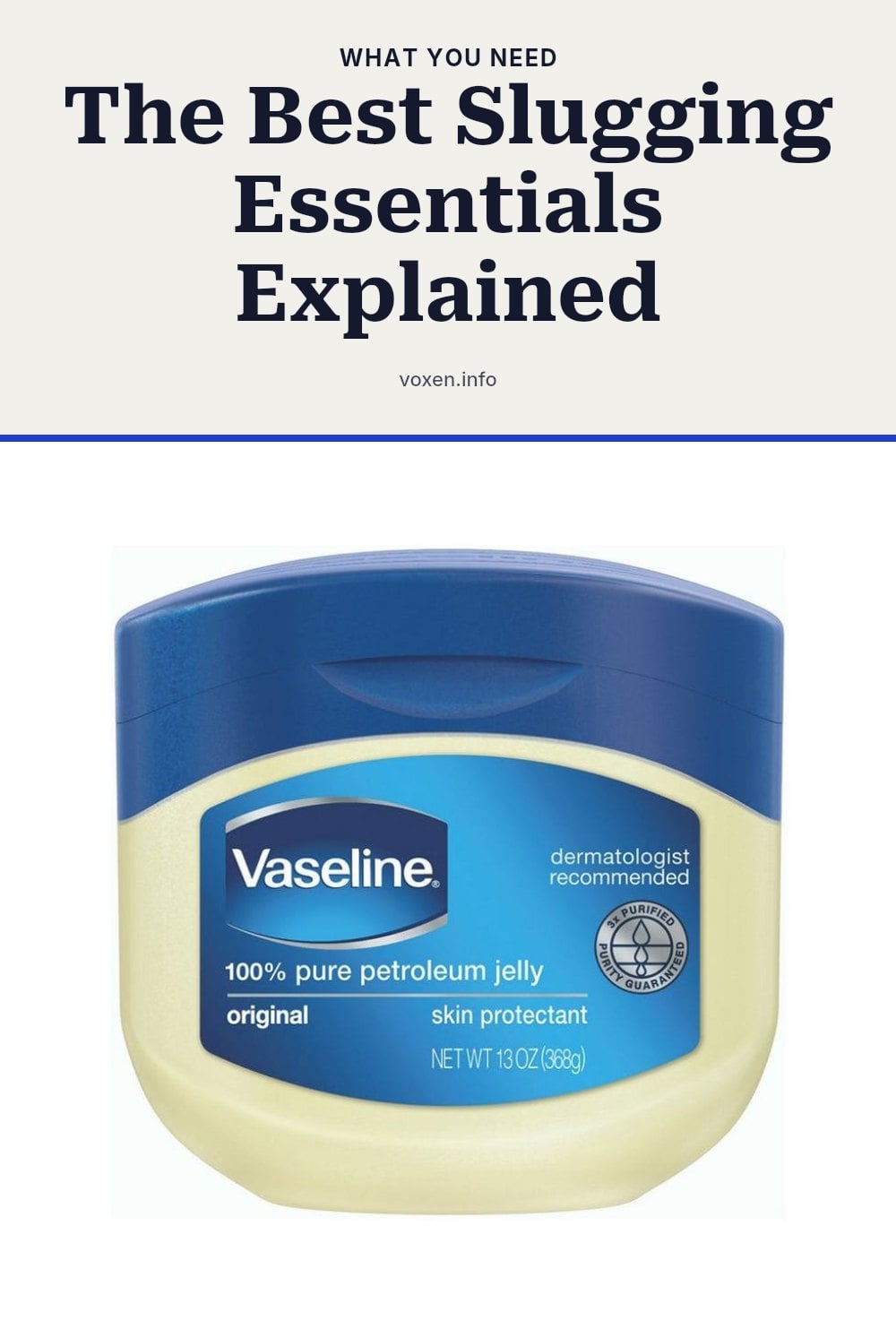
To slug correctly, you need three key products. Start with a gentle cleanser to prep your skin without stripping it. Next, a hydrating serum or moisturizer applied to damp skin helps draw water into the outer layer. Finally, you need an occlusive product. Petroleum jelly is the classic choice, but petrolatum-based ointments are also effective. Look for non-comedogenic options like petrolatum-based balms. Avoid using comedogenic oils or balms that could clog pores.
- Gentle cleanser: Removes impurities without irritation.
- Hydrating serum or moisturizer: Adds moisture before sealing it in.
- Occlusive product: Petroleum jelly or a petrolatum-based ointment.
Step-by-Step: How to Slug Correctly for Best Results
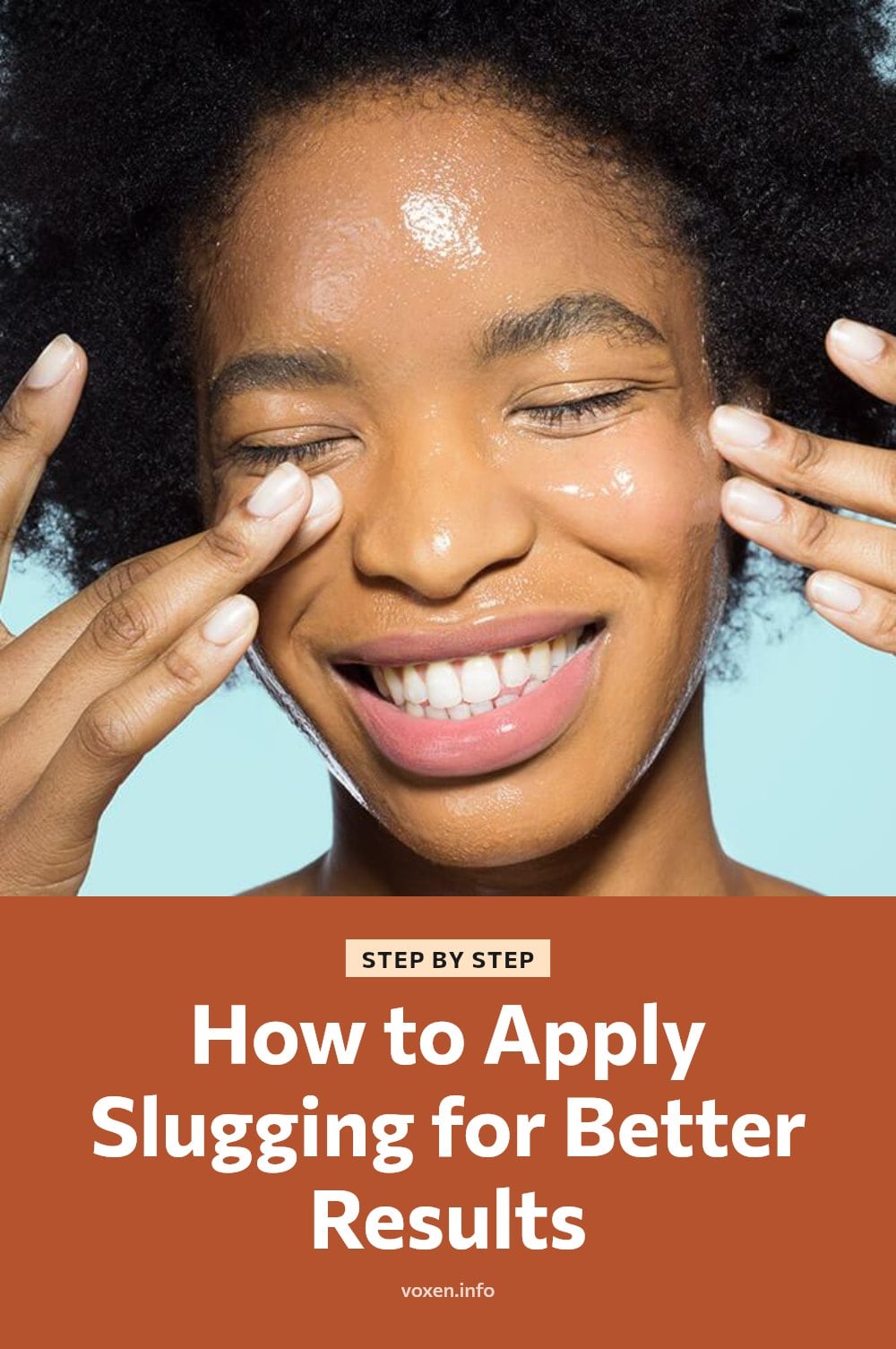
Follow these steps for the best results from slugging. The order and timing matter for effectiveness and safety.
- Cleanse your skin: Wash your face thoroughly to remove all makeup, sunscreen, and impurities. This prevents the occlusive layer from trapping dirt and bacteria, which can cause clogged pores or inflammation.
- Apply a hydrating serum or moisturizer: On slightly damp skin, apply a hydrating product. Look for one with humectants like glycerin, hyaluronic acid, or panthenol to draw water to the skin’s top layer.
- Apply the occlusive: Spread a thin layer of a petrolatum-based product over your entire face, including around the eyes and on the lips. A little goes a long way; using too much leads to discomfort and transfer to bedding.
- Wait before bed: Allow the product to absorb for 30 to 60 minutes before going to sleep. This minimizes transfer to your pillowcase and gives the occlusive time to settle.
- Cleanse in the morning: Use a gentle cleanser to remove any remaining residue. This ensures your moisturizer and sunscreen apply effectively for the day.
Prefer to watch? Dr. Jenny Liu walks through the whole method in this 12-minute video. The how-to part starts at 0:28.
Expert Tips for Successful Slugging
Tip: Slugging is best for dry, sensitive, or eczema-prone skin. If your skin barrier is damaged from retinoid overuse or over-exfoliation, try slugging daily for one to two weeks to speed up repair.
Oily or combination skin types can still slug but may prefer less frequent application, like once or twice a week. The greasy feel can be a downside for these types.
Petrolatum-based ointments are a lighter alternative to 100% petrolatum. Examples include Aquaphor (41% petrolatum), Cetaphil Healing Ointment (71.5% petrolatum), and CeraVe Healing Ointment (46.5% petrolatum).
Good to know: Slugging also protects skin in harsh, dry climates or during winter. The occlusive layer shields your face from moisture-sapping air.
Common Slugging Mistakes That Can Harm Your Skin
Slugging over active acne: Do not slug if you have active acne. The occlusive layer can worsen inflammation and trap bacteria, leading to more clogged pores.
Applying over strong active ingredients: Avoid using retinoids or AHAs/BHAs on nights you slug. The occlusive increases their penetration, which can cause deep irritation.
Using excessively thick layers: A thin layer is enough. Too much product feels uncomfortable, wastes product, and transfers to bedding.
Slugging over dirty skin: Always start with a clean face. Slugging over impurities traps dirt and bacteria, potentially causing breakouts.
Slugging every night when not necessary: For oily or combination skin, nightly slugging can feel too heavy. Adjust frequency to your skin’s needs.
When to Skip Slugging and See a Dermatologist
If you experience increased breakouts, redness, or irritation after slugging, stop using it. Do not slug if you have active acne, fungal acne, or are prone to frequent breakouts. Fungal acne (Malassezia folliculitis) can worsen because occlusives create a favorable environment for yeast growth.
For persistent skin conditions like severe acne, rosacea, or eczema, consult a dermatologist before trying slugging. A professional can advise whether slugging is safe for your specific condition.
Frequently Asked Questions
How often should I slug if I have very dry skin?
If your skin is very dry, you can start by slugging once or twice a week. For a damaged skin barrier from retinoid overuse or over-exfoliation, some people benefit from nightly slugging for one to two weeks to speed up repair. Adjust based on how your skin feels, and reduce frequency if you notice any irritation.
Can slugging help with fine lines and wrinkles?
Slugging can help plump skin by locking in moisture, which may temporarily reduce the appearance of fine lines. However, it does not treat wrinkles directly. For long-term improvement, you need ingredients like retinoids or antioxidants, but avoid using them on the same nights you slug to prevent irritation.
What should I do if slugging makes my skin feel greasy?
If the greasy feel bothers you, use a very thin layer of petroleum jelly or try a petrolatum-based ointment that is less heavy, such as one with 41% petrolatum. You can also limit slugging to specific dry patches instead of your whole face. Washing your face thoroughly in the morning with a gentle cleanser will remove any residue.
Is slugging safe for all body parts, like hands and feet?
Yes, petroleum jelly is safe to use on lips, hands, and feet. Slugging these areas can help heal dry, cracked skin. Just follow the same principle: apply after a moisturizer and use a thin layer. Be careful with transfer to bedding if you apply to hands at night.
Final Thoughts
If your skin is dry or your barrier feels compromised, slugging is worth trying, but start slowly. Do it once or twice a week at night, and expect to see improved hydration after a few consistent applications. If you notice breakouts or irritation, stop and let your skin rest. For most people, slugging is a simple, affordable way to lock in moisture, but it works best when paired with a gentle, consistent routine.
This article provides general information about skincare techniques and is not a substitute for professional medical advice. Everyone’s skin is different, and what works for one person may not work for another. If you have a persistent skin condition, such as severe acne, rosacea, or eczema, consult a dermatologist before trying slugging or any new skincare routine.

