You want a brighter smile, but with so many whitening options out there, it’s easy to feel overwhelmed or worry about damaging your teeth. The good news is that safe, effective whitening is absolutely possible when you understand the basics and avoid common pitfalls.
In this article, I’ll walk you through the different types of stains, the gentlest methods, and the smart habits that protect your enamel while you brighten your smile.
Key Takeaways
- Always consult your dentist before starting any whitening treatment, especially if you have fillings, crowns, or sensitive teeth.
- Over-the-counter strips typically contain 6-10% peroxide, while professional treatments can reach up to 40%.
- Overuse of whitening products can increase sensitivity and irritate gums, so follow the label instructions exactly.
- Whitening won’t change the color of existing fillings, crowns, or veneers, so plan accordingly.
- Results often appear gradually over days or weeks, and maintenance may be needed every few months to a year.
The Best Way to Whiten Your Teeth Safely
Professional dental treatments offer the most dramatic and lasting results for teeth whitening. Over-the-counter options like strips and gels can be effective for surface stains but require careful use. My tip: Always consult your dentist before starting any whitening regimen to ensure it’s safe and appropriate for your dental health.
Why Teeth Become Discolored
Extrinsic vs. Intrinsic Stains
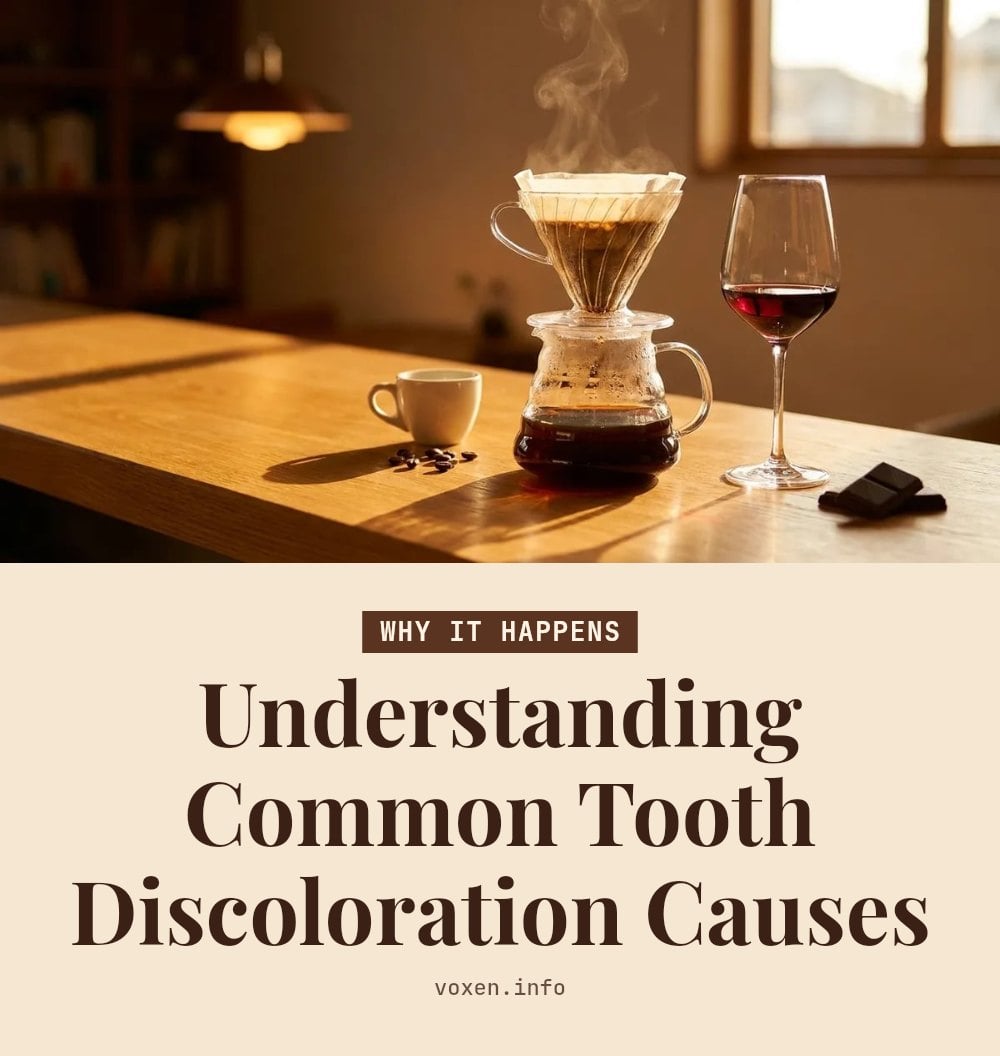
Extrinsic stains sit on the tooth surface and come from coffee, tea, red wine, and tobacco. These are easier to remove with whitening products. Intrinsic stains are deeper inside the tooth, often caused by medication, trauma, or genetics. They are much harder to treat with DIY methods.
How Whitening Agents Work
The active agents in most whitening products are hydrogen peroxide or carbamide peroxide. Carbamide peroxide breaks down into hydrogen peroxide and urea, and is typically about one-third as strong. Both work by breaking down stain-causing molecules on and inside the tooth.
Gentler Teeth Whitening Options

Gentler Teeth Whitening Options
Whitening strips: These thin, flexible strips are coated with a peroxide gel, usually at 6-10% concentration. You apply them directly to your teeth for a set time each day, typically 30 minutes. They work gradually over one to two weeks to lift surface stains. Tip: Choose strips that are ADA-accepted to ensure the concentration is safe and effective.
Whitening gels with custom trays: Your dentist makes a precise mold of your teeth and provides a gel with a higher peroxide concentration (up to 40%). The custom tray keeps the gel in contact with your teeth and away from your gums, reducing irritation. This method gives more controlled, faster results than strips. Caution: Using a poorly fitting tray can let gel leak onto gums, causing sensitivity or burning.
Whitening toothpastes: These contain mild abrasives or chemical agents that polish away surface stains from coffee, tea, and tobacco. They do not contain bleaching agents, so they cannot change the natural color of your teeth. Good to know: Look for a toothpaste with the ADA Seal of Acceptance if you want a product that is both safe and proven to remove stains.
Professional in-office treatments: A dentist applies a high-concentration peroxide gel (up to 40%) directly to your teeth, often activating it with a special light or laser. The entire session takes about an hour and can lighten teeth several shades in one visit. Tip: This is the best option if you have deep or stubborn stains or want immediate results, but it is also the most expensive.
Common Teeth Whitening Mistakes to Avoid
Over-whitening is the fastest way to turn a bright smile into a sore one. Using strips or gels more often or longer than the label says can lead to increased tooth sensitivity and gum irritation. Stick to the recommended application time and frequency, and give your teeth a break if they start to ache.
Abrasive products like charcoal or baking soda may scrub away surface stains, but they do not bleach teeth. With prolonged use, they can wear down enamel, which makes teeth more sensitive and more prone to staining. Save the scrubbing for your toothpaste, and choose a real whitening product for actual bleaching.
Whitening over untreated cavities or gum disease can worsen those problems. The peroxide can irritate exposed nerves or inflamed gums, so get any dental issues addressed first. Also, do not expect paper-white results if you have intrinsic stains or dental restorations like fillings and crowns, since whitening will not change their color.
Finally, whitening is not a one-time fix. If you keep drinking coffee, tea, or red wine without brushing or rinsing afterward, new stains will appear quickly. Maintain good oral hygiene and limit stain-causing foods to make your results last.
Smart Tips for Effective and Safe Whitening
Consult your dentist first: Always talk to your dentist before starting any whitening treatment, especially if you have existing dental work like fillings or crowns, or if you have sensitive teeth. They can confirm whether whitening is safe for your specific situation.
Follow the instructions: Stick to the application time and frequency on the package. Overusing the product won’t speed up results and can lead to sensitivity and gum irritation. A consistent, patient approach works best.
Maintain good oral hygiene: Brush twice a day, floss daily, and keep up with regular dental cleanings. This helps prolong your whitening results and prevents new stains from setting in.
Manage sensitivity: If your teeth feel sensitive during or after whitening, switch to a desensitizing toothpaste for a few days or take a short break from the treatment. The discomfort is usually temporary.
Choose ADA-accepted products: Look for the American Dental Association seal on whitening products. This means the product has been tested for safety and efficacy, giving you peace of mind.
When to Consult Your Dentist About Whitening
Severe or prolonged side effects: If you experience intense tooth sensitivity, gum pain, or gum blanching (where the gums turn white), stop treatment immediately and see your dentist. These symptoms should not be ignored.
Untreated dental issues: Before starting any whitening, visit your dentist if you have untreated cavities, gum disease, or exposed tooth roots. Whitening can worsen these problems.
Existing dental restorations: Fillings, crowns, and veneers will not change color with whitening. Your dentist can help you plan the best approach if you have these restorations.
Pregnancy or breastfeeding: If you are pregnant or nursing, consult both your doctor and dentist before using any whitening products.
Professional-grade results: For intrinsic stains or if you want the most dramatic, lasting results, a dentist-supervised in-office treatment is your best option. DIY methods often cannot achieve the same outcome.
Frequently Asked Questions
How long do teeth whitening results last?
Results can last anywhere from a few months to a year, depending on your habits and the method used. Professional treatments tend to last longer than over-the-counter options. To extend results, limit stain-causing foods and drinks like coffee, tea, and red wine, and maintain good oral hygiene with regular brushing and flossing.
Can I whiten my teeth if I have sensitive gums?
If you have sensitive gums, it’s especially important to talk to your dentist before whitening. They may recommend a lower-concentration product or a desensitizing toothpaste. Avoid getting gel on your gums, and stop if you experience gum pain or blanching. Your dentist can help you find a gentler approach that works for you.
Are natural teeth whitening remedies effective?
Some natural remedies, like charcoal or baking soda, can remove surface stains, but they don’t actually bleach teeth and can damage enamel with prolonged use. There’s limited evidence that other natural options, like oil pulling, are effective. For safe, predictable results, stick with ADA-accepted products or professional treatments.
Does teeth whitening damage enamel?
When used as directed, whitening products are generally safe and do not damage enamel. However, overuse or using abrasive products like charcoal can erode enamel over time. Follow instructions carefully, and if you have concerns about sensitivity or enamel health, consult your dentist before starting.
How much does professional teeth whitening cost?
Professional whitening costs vary widely depending on your location and the dentist, but it’s typically more expensive than over-the-counter options. While the price may be higher, professional treatments often provide more dramatic and longer-lasting results. Ask your dentist for a quote and discuss payment options if needed.
Final Thoughts
My tip: start with a dentist consultation to rule out any underlying issues and get personalized advice. Then, choose a product that fits your needs, whether it’s professional treatment for dramatic results or strips for gradual brightening at home.
Expect noticeable changes within a few days to a couple of weeks, and be prepared to touch up every few months to maintain your smile. With patience and proper care, you can achieve a brighter smile without compromising your dental health.
This article is for general informational purposes only and does not constitute medical or dental advice. Always consult a qualified dentist or healthcare professional before starting any whitening treatment, especially if you have existing dental issues, sensitive teeth, or are pregnant or breastfeeding. If you experience severe or persistent side effects, stop use and seek professional guidance.

