If you feel awkward or anxious in social situations, you are not alone. Many women who identify as shy want to feel more at ease when talking to others, and the good news is that social skills are not something you are born with. They are learned behaviors you can practice and improve over time. This article covers small, practical steps to help you build confidence in conversations, understand non-verbal cues, and connect more comfortably with people around you.

Key Takeaways
- Social skills are learned behaviors, not innate traits, and can be improved with practice.
- Start with one low-pressure interaction at a time, such as a brief chat with a cashier or neighbor.
- Practice active listening by focusing on what the other person says instead of planning your next sentence.
- Ask open-ended questions like “What brought you here?” to encourage longer conversations.
- Celebrate small wins, like maintaining eye contact for a few seconds, to build momentum.
What Are Social Skills and Why Do They Matter?
Social skills are learned behaviors that help you interact effectively and appropriately with others. They include active listening, reading body language, and knowing how to start or sustain a conversation. These abilities matter because they build connections, reduce anxiety in social settings, and help you feel more at ease. For shy women, developing social skills means starting with small, manageable steps. You don’t need to become a different person. You just need to practice one gentle skill at a time.
Common Myths About Social Skills and Shyness
Myth: Social skills are innate, and you either have them or you don’t.
Reality: Social skills are learned and can be improved with practice, no matter your natural personality. Like any skill, they get easier with repetition.
Myth: Being shy means you can’t be good at social interactions.
Reality: Shyness is a feeling, not a barrier to effective communication. Many shy individuals develop excellent social skills because they listen carefully and observe well.
Myth: You need to be an extrovert to make friends.
Reality: Introverts can form deep, meaningful connections by focusing on quality over quantity. One or two genuine friendships often outweigh a large social circle.
Essential Tools for Your Social Skill Journey
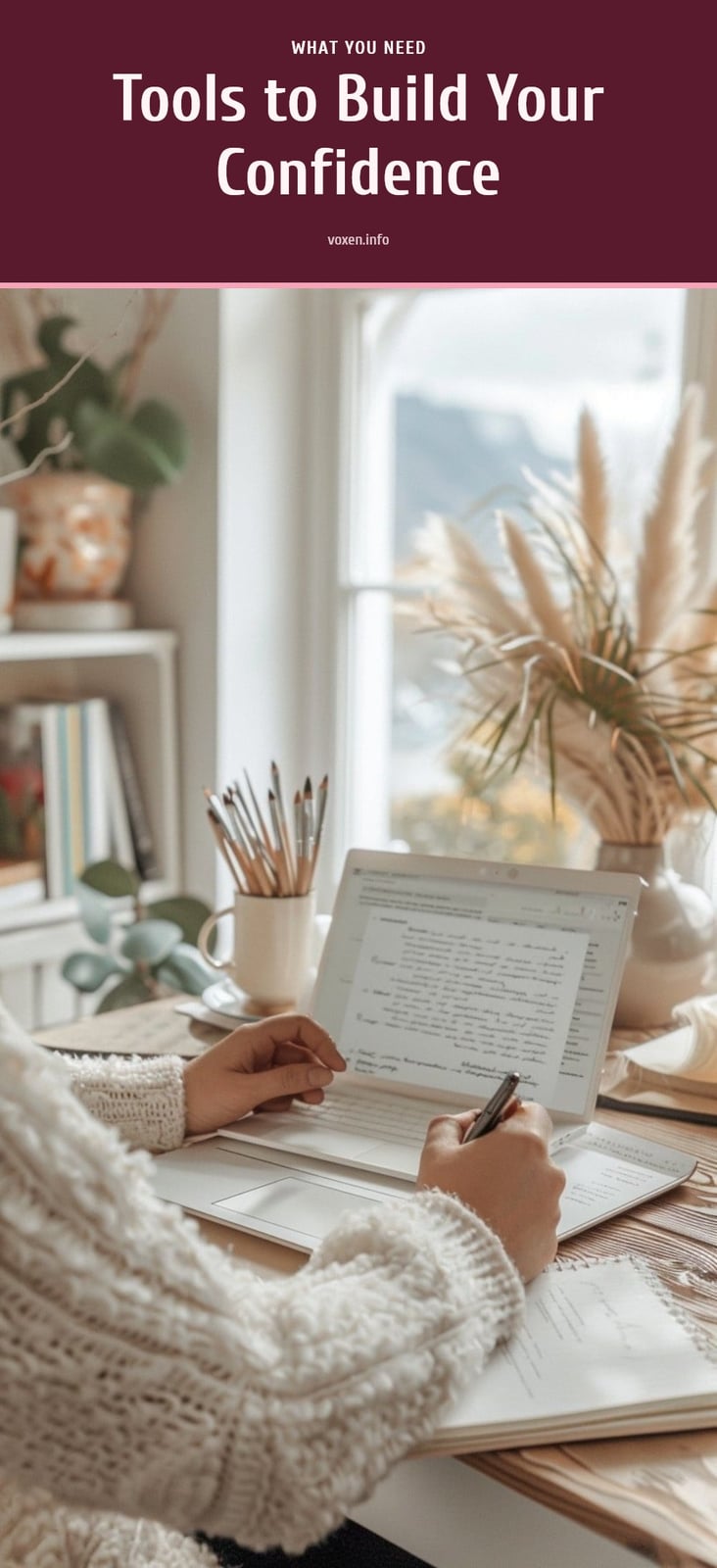
You don’t need a big budget to work on social skills. These low-cost tools are enough to get started.
- A journal or notebook: Use it to reflect on interactions and track your progress over time.
- Books or articles on communication: They offer new techniques and perspectives you can try in real conversations.
- Supportive friends or family: Practice with people who know you well and can give honest, kind feedback.
Step-by-Step: Building Your Social Comfort Zone
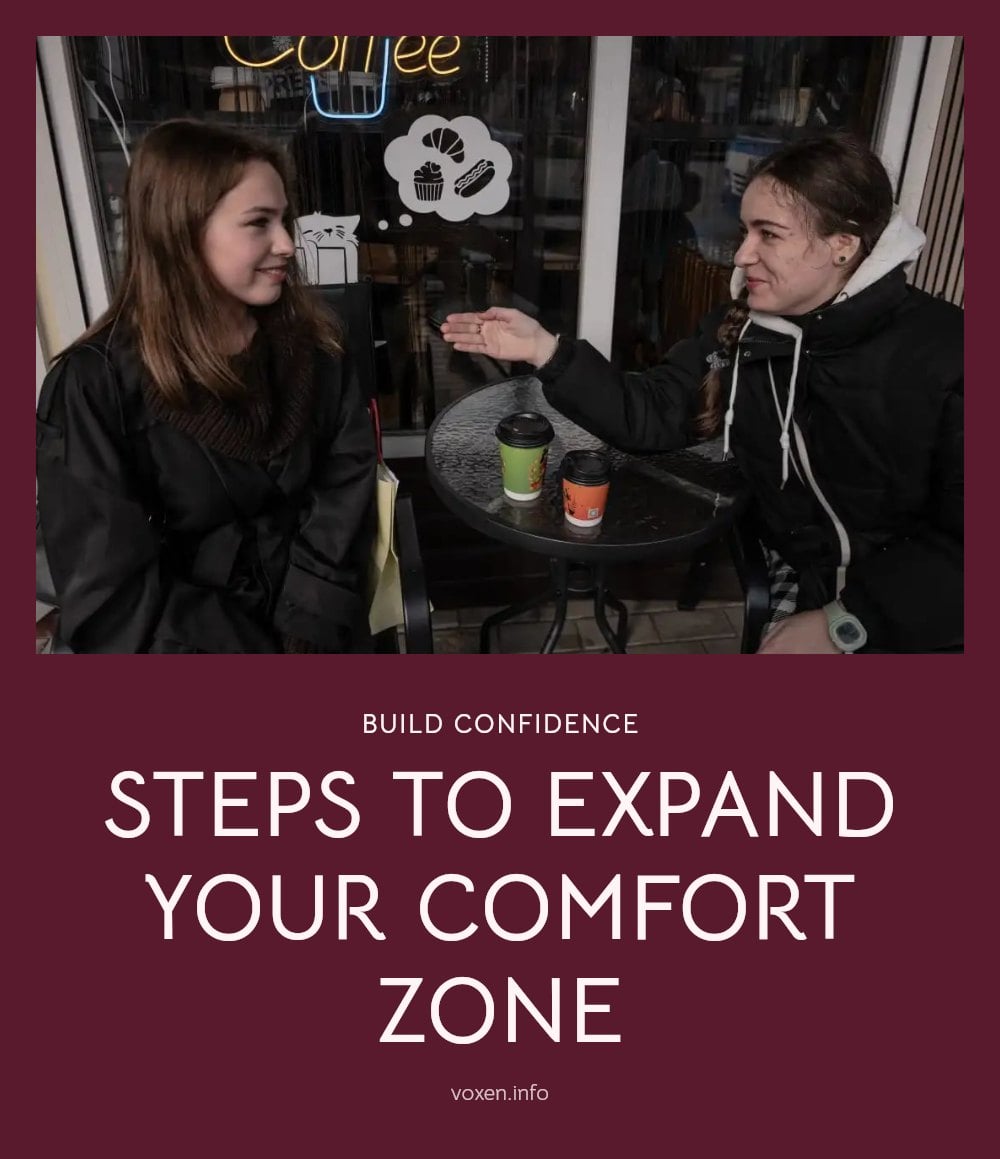
Building your social comfort zone happens one small step at a time. Focus on one skill per interaction, and you’ll see gradual improvement.
- Start with active listening: Truly hear what the other person is saying instead of planning your next sentence. Nod and give short verbal cues like “I see” to show you’re engaged.
- Practice comfortable eye contact: Aim for brief periods, like 2-3 seconds, to signal engagement. Look away gently when you need a break. This prevents the overwhelming feeling of staring.
- Initiate with open-ended questions: Ask “what” or “how” questions, such as “What brought you here?” or “How do you know the host?” These encourage more than a yes or no answer.
- Observe and learn: Watch how others interact. Notice their body language, how they take turns speaking, and how they handle pauses. You’ll pick up useful patterns without pressure.
- Smile genuinely: A warm smile conveys approachability and makes others feel at ease. You don’t need to grin constantly, just when you make eye contact or greet someone.
- Acknowledge small wins: After any interaction, tell yourself what went well, even if it was just making eye contact or asking one question. This builds momentum for next time.
Common Social Skill Mistakes to Avoid
Comparing yourself to others: Don’t measure your progress against someone else’s perceived ease. Your journey is unique, and their visible confidence may hide their own struggles.
Avoiding all social situations: Gentle exposure is crucial for improvement. Start with low-pressure events like a one-on-one coffee with a friend rather than skipping gatherings entirely.
Overthinking every word: Focus on being present and listening, rather than scripting your next response perfectly. Silence in conversation is normal, not a failure.
Trying to be someone you’re not: Authenticity is key. People appreciate genuine connection, not a performance. Let your real personality show, even if it feels less polished.
Dwelling on perceived ‘mistakes’: Everyone has awkward moments. Learn from them and move on without self-criticism. A small misstep rarely registers with others the way it does with you.
Practical Tips for Confident Social Interactions
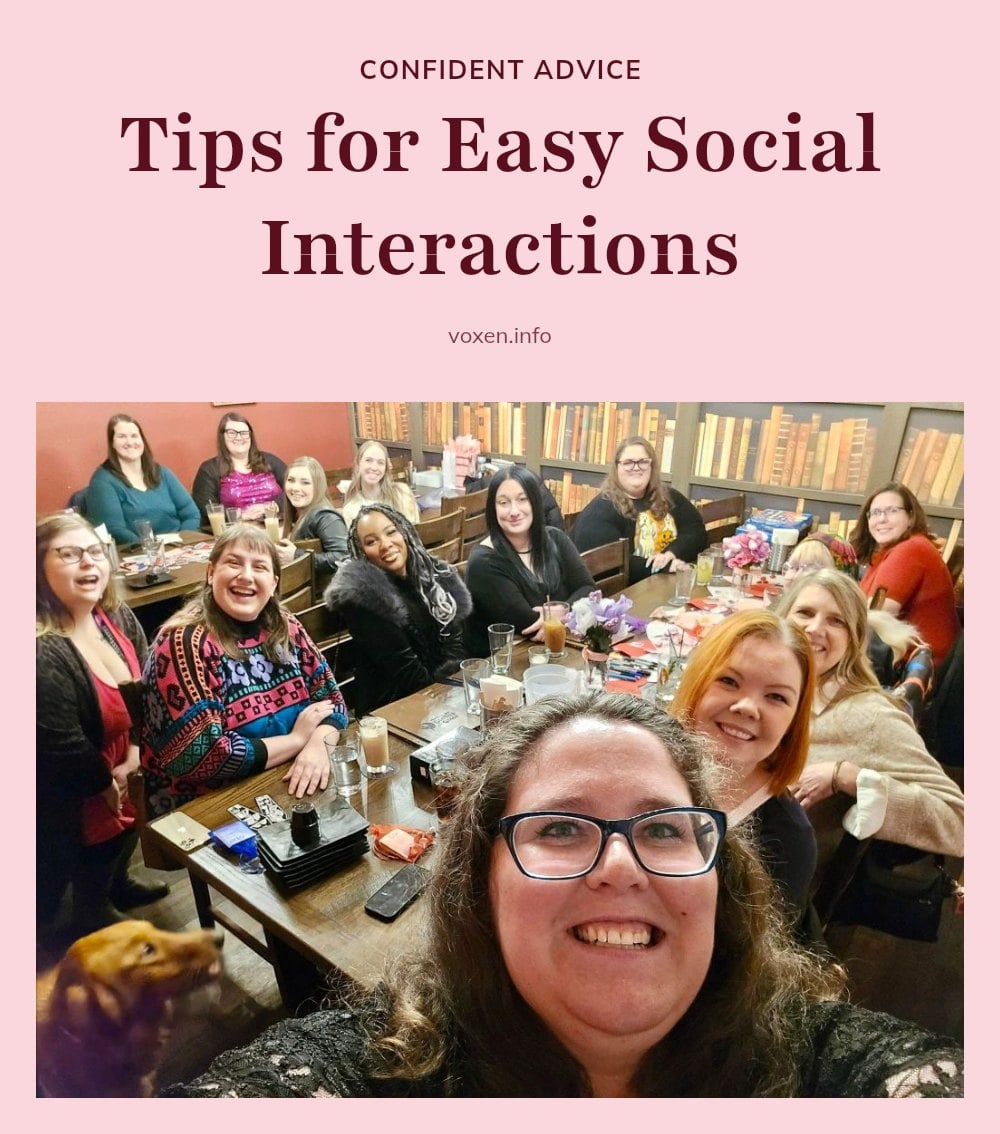
Prepare conversation starters: Have a few simple questions or observations ready to kick off a chat. Try asking about a shared environment, like “What brought you to this event?”
Join interest-based groups: Volunteering or clubs offer structured social opportunities around shared passions. The common focus reduces pressure to keep conversation flowing.
Practice self-compassion: Be kind to yourself throughout this process. It’s okay to feel nervous, and acknowledging that feeling without judgment helps you move past it.
Notice body language: Both yours and others’. Crossed arms or fidgeting can indicate discomfort, while leaning in and nodding signal engagement. Adjust your own posture to appear open.
Take breaks when needed: If you feel overwhelmed, it’s perfectly fine to politely excuse yourself for a moment. Step to the restroom or grab water, then return when ready.
When to Seek Professional Support
If social anxiety is severe and significantly impacts your daily life, making it hard to work, study, or maintain relationships, consider speaking with a mental health professional. This also applies if you experience panic attacks or intense physical symptoms before or during social interactions.
If you are using alcohol or other substances to cope with social anxiety, professional support can help you develop healthier strategies. And if self-help strategies aren’t leading to any noticeable improvement over time, a therapist can offer personalized guidance and tools.
Timeline for Improvement and Expected Costs
Timeline: Consistent practice over weeks or months can lead to noticeable improvements in social comfort and skill. It’s a gradual process, not an overnight fix. Expect small wins to build into lasting confidence.
Cost: Most self-help strategies (like journaling or practicing with friends) are free. Books or online courses might cost $15-$100. Professional therapy can range from $75-$200+ per session, often covered partially by insurance.
Frequently Asked Questions
Can social skills be learned at any age?
Yes, social skills can be learned and improved at any age. The brain remains adaptable throughout life, and with consistent practice, even older adults can develop new communication habits and feel more comfortable in social settings.
How do I start a conversation when I’m shy?
Start with a simple observation or a question about your shared environment. For example, comment on the weather, the event you are attending, or ask “How do you know the host?”. Keep it low-pressure and focus on listening rather than worrying about what to say next.
What if I run out of things to say?
It is normal to have pauses in conversation. Instead of panicking, take a breath and ask a follow-up question based on what the other person just said. You can also acknowledge the pause with a light comment like “That was a good point” before moving on.
How long does it take to improve social skills?
Noticeable improvement often takes weeks to months of consistent practice. Progress is gradual and depends on how often you practice and the situations you choose. Small wins, like a successful brief chat, build confidence over time.
Is it okay to be an introvert and still have good social skills?
Absolutely. Being introverted means you recharge alone, but it does not prevent you from learning effective social skills. Many introverts excel at listening and forming deep connections once they practice techniques like active listening and asking thoughtful questions.
Final Thoughts
Start with one small goal, like asking a coworker an open-ended question or smiling at someone in line. Expect gradual improvement over weeks or months rather than a sudden change. The key is consistent practice and self-compassion. Your comfort zone will expand naturally as you take those small steps.
This article is for informational purposes only and does not constitute medical or professional advice. If social anxiety significantly interferes with your daily life, work, or relationships, please consult a mental health professional for personalized support.

