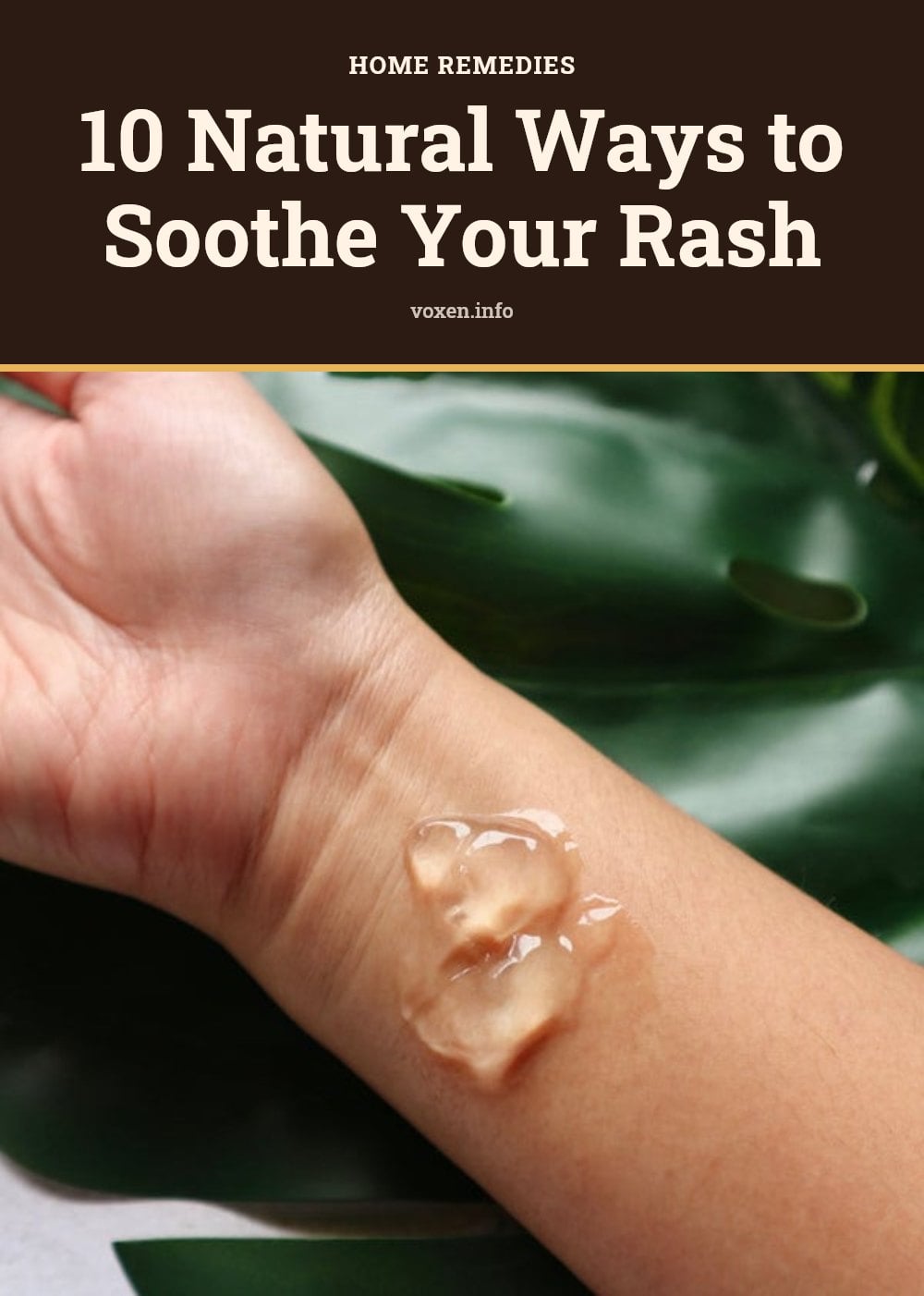
When a rash appears, the itching and redness can make it hard to focus on anything else. You want relief, and you want it fast. This article covers 10 simple home remedies that can help calm inflammation, soothe the skin, and prevent further irritation using ingredients you probably already have in your kitchen or medicine cabinet.
Remember, while these remedies work well for mild rashes, it’s important to know when a rash needs medical attention. Let’s get into the steps you can take right now to feel better.
Key Takeaways
- Apply cool compresses for 10-15 minutes to quickly reduce itching and swelling.
- Use colloidal oatmeal baths to soothe irritated skin, especially for large areas.
- Choose pure aloe vera gel or 1% hydrocortisone cream for targeted relief.
- Wear loose, breathable cotton clothing to avoid friction and trapped moisture.
- See a doctor if the rash covers a large area, is painful, or shows signs of infection.
Quick Relief for Itchy Rashes
Many mild rashes respond well to simple home remedies that calm inflammation and stop the itch. Focus on three actions: cool the skin, keep it moisturized, and protect it from further irritation. Pay attention to how your body reacts. If a rash spreads rapidly, becomes painful, or shows signs of infection, stop home treatment and see a doctor.
1. Cool Compresses and Baths

Cool compresses are one of the quickest ways to reduce inflammation and itching. Soak a soft cloth in cool tap water, wring it out, and hold it against the rash for 10-15 minutes. For larger areas, a lukewarm bath with colloidal oatmeal works wonders.
- Oatmeal bath: Sprinkle colloidal oatmeal into running lukewarm water and soak for 15-20 minutes.
- Avoid hot water: It strips natural oils and worsens irritation.
Pat skin dry afterward, don’t rub.
2. Aloe Vera Gel Application
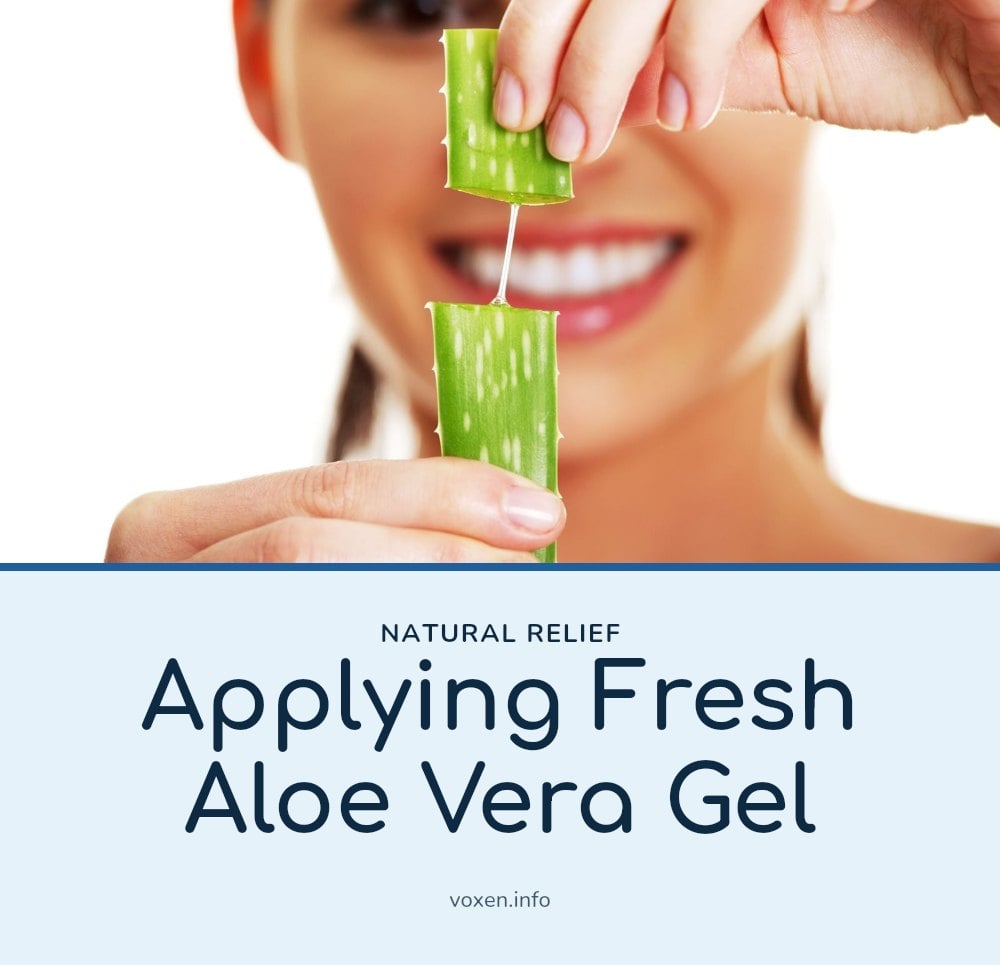
Aloe vera gel is a go-to for calming irritated skin thanks to its anti-inflammatory and moisturizing properties. Apply a thin layer of pure aloe vera gel to the rash several times a day, especially after washing.
My tip: Always choose pure aloe vera gel. Products with added fragrances, dyes, or alcohol can sting and make the rash worse. Look for “100% aloe vera” on the label.
3. Over-the-Counter Hydrocortisone
Over-the-counter 1% hydrocortisone cream can significantly reduce redness and itching for mild rashes. Apply a thin layer to the affected area once or twice daily, following the package directions.
Caution: Do not use hydrocortisone on open wounds, broken skin, or for more than a week without a doctor’s advice. It can thin the skin with prolonged use. If symptoms don’t improve, see a healthcare professional.
4. Petroleum Jelly Barrier
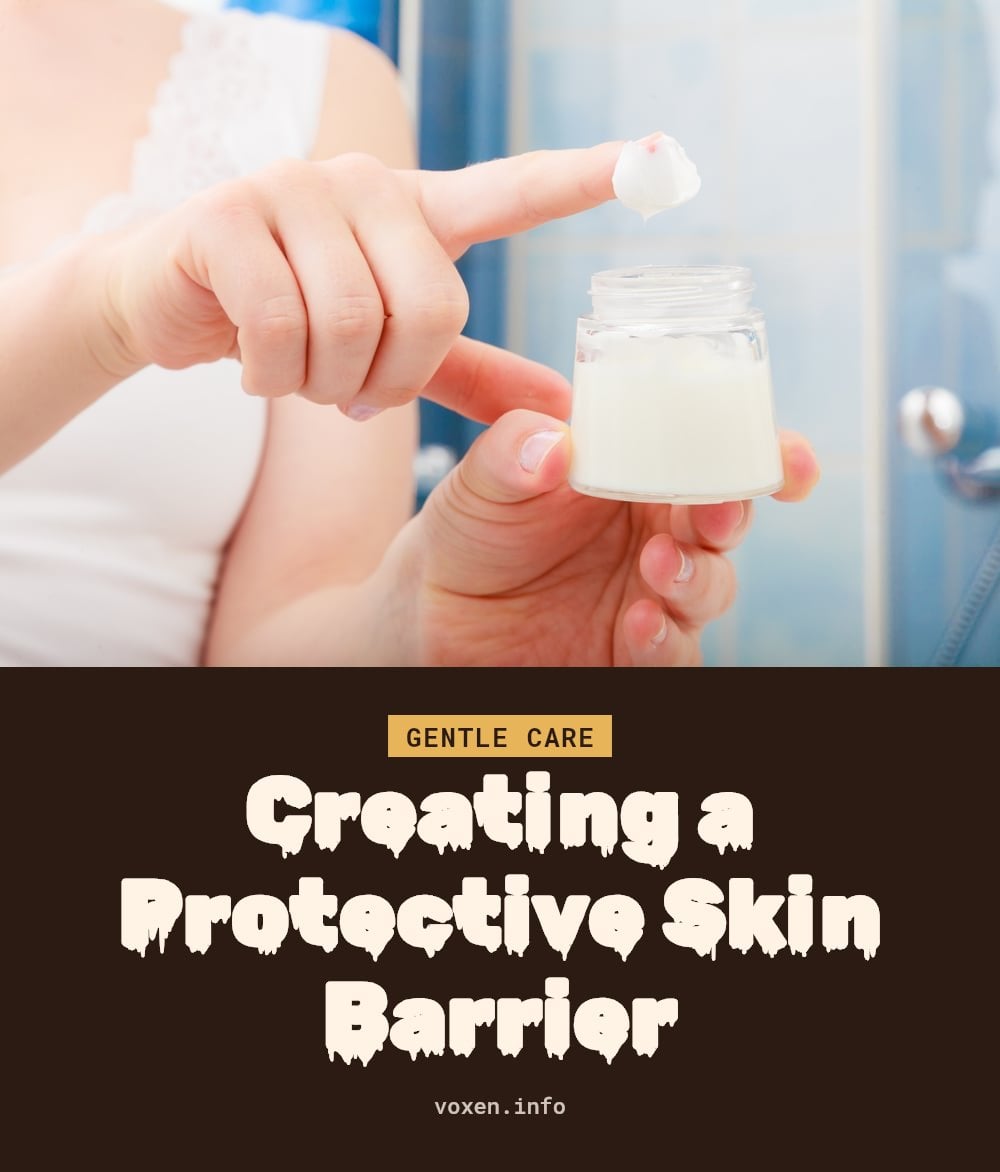
Petroleum jelly works as a simple barrier that locks moisture into irritated skin and protects it from outside irritants. It is especially helpful for chafed or dry rashes where the skin needs a break from friction.
Apply a generous layer to clean, dry skin. The jelly stays put for hours, so you do not need to reapply often. Avoid using it on wet or oozing rashes, as it can trap moisture against the skin.
5. Gentle, Fragrance-Free Moisturizer
Keeping a rash moisturized helps your skin barrier repair itself and reduces dryness that makes itching worse. Reach for a gentle, fragrance-free lotion labeled hypoallergenic and designed for sensitive skin.
My tip: Apply the moisturizer immediately after bathing while your skin is still slightly damp. This locks in extra hydration. Skip any product with perfume, dyes, or alcohol. Those ingredients can sting on already irritated skin.
6. Loose, Breathable Clothing

What you wear directly affects how a rash feels and heals. Loose clothing made from natural fibers like cotton lets your skin breathe and reduces friction against the irritated area.
Tight clothes and synthetic fabrics like polyester trap heat and moisture, which can turn a mild rash into a more angry one. Stick with soft, loose layers until the skin calms down.
7. Baking Soda Paste for Itching
Baking soda paste is a traditional home remedy for itching that some people find helpful. Mix a few tablespoons of baking soda with just enough water to form a thick paste. Apply it to the rash and let it sit for 10 to 15 minutes before rinsing off with cool water.
Caution: Baking soda can be drying for some skin types. If you notice increased redness, stinging, or tightness, wash it off immediately and stop using this remedy. It is not suitable for open skin or broken blisters.
8. Keep the Area Clean and Dry
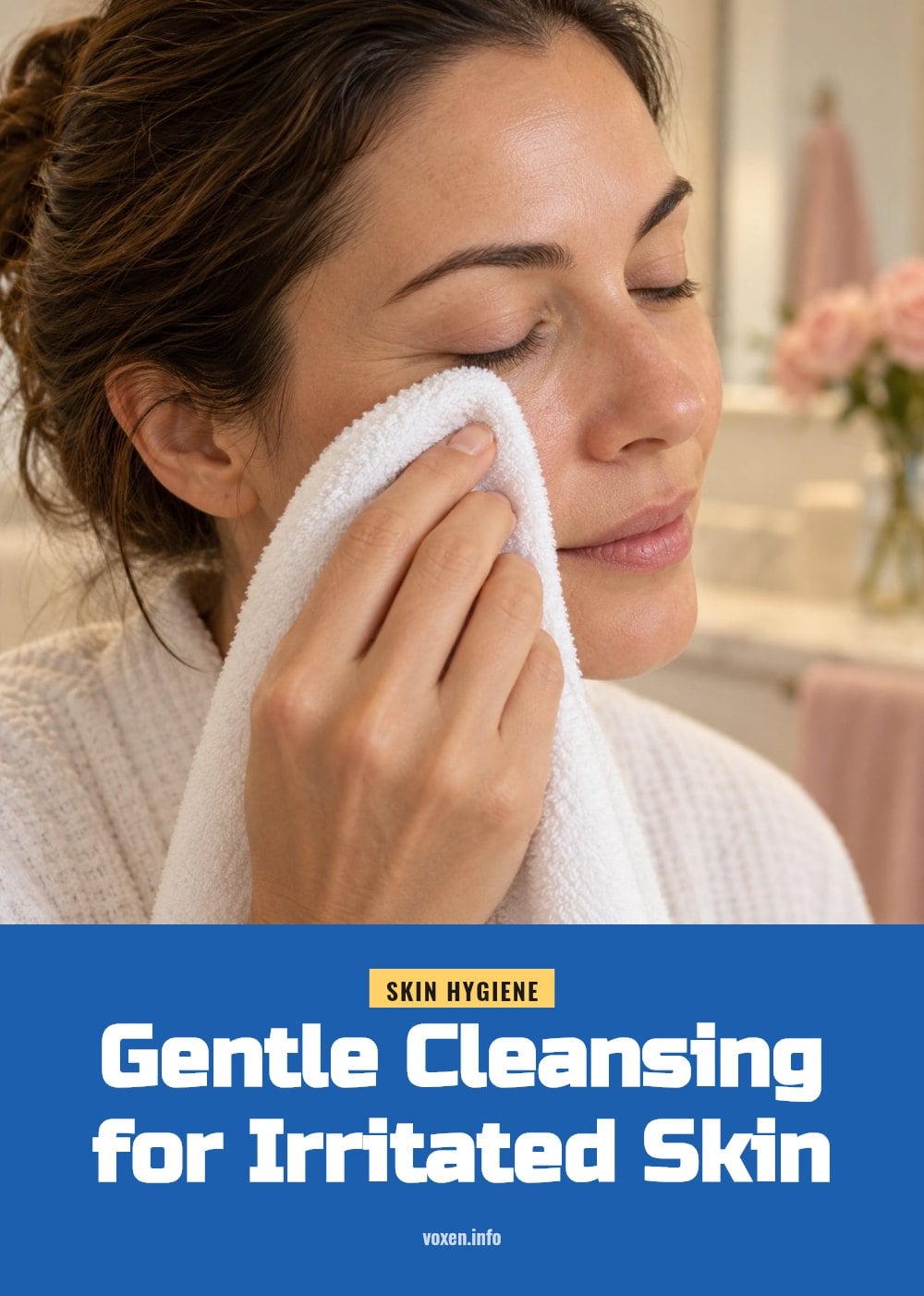
Wash gently: Use a mild, fragrance-free soap and lukewarm water to clean the rash. Hot water strips natural oils and makes irritation worse. Rinse thoroughly, then pat the skin dry with a soft towel. Never rub, because friction can inflame the area further.
Keep it dry: Moisture trapped against a rash encourages bacteria and slows healing. After washing, let the skin air-dry completely before applying any creams or ointments. If the rash is in a skin fold, you can use a clean, dry cloth to gently blot away any remaining dampness.
9. Avoid Scratching the Rash
Scratching breaks the skin barrier, which can introduce bacteria and lead to infection. It also triggers more histamine release, creating an itch-scratch cycle that makes the rash worse.
Cut your nails short so that if you do scratch in your sleep or without thinking, you cause less damage. Tip: When the urge to scratch hits, press a cool compress against the rash for a few minutes or apply a soothing, fragrance-free cream. That direct cold sensation often calms the itch faster than willpower alone.
When to See a Doctor for Your Rash
Most mild rashes improve with home care, but some situations require a doctor. Seek medical attention if the rash covers a large area of your body, is painful, or shows signs of infection such as pus, fever, or spreading redness.
Consult a doctor right away if the rash appears suddenly, spreads rapidly, or comes with severe symptoms like fever, difficulty breathing, or swelling. Also, stop any home remedy immediately if it causes increased irritation, redness, or pain. When in doubt, a quick check with a healthcare provider is always safer than waiting.
Frequently Asked Questions
How long does it take for a rash to go away with home remedies?
Mild rashes often improve within a few days to a week with consistent home care. Relief from itching and discomfort can be immediate after using cool compresses or aloe vera, but full resolution of redness and bumps usually takes longer. If a rash does not start to improve after a week, or if it spreads, see a doctor.
What should I avoid eating if I have a rash?
There is no one-size-fits-all diet for rashes, but some people find that spicy foods, alcohol, or common allergens like dairy and nuts can trigger or worsen inflammation. If you suspect a food allergy is causing your rash, try eliminating one suspect at a time and note any changes. For persistent or severe reactions, consult a doctor or allergist.
Is it normal for a rash to spread after starting home treatment?
It is not typical for a rash to spread once you begin appropriate home care. If you notice the rash expanding or new spots appearing after starting a remedy, discontinue that treatment immediately. Spreading can indicate an allergic reaction to the remedy itself, or it may mean the rash is caused by something that requires medical treatment, such as an infection.
What causes a rash?
Rashes can be triggered by many things, including allergic reactions to foods, medications, or plants, contact with irritants like certain soaps or detergents, infections (bacterial, viral, or fungal), and underlying medical conditions like eczema or psoriasis. Identifying the cause is key to choosing the right treatment, but if you are unsure, start with gentle soothing remedies and see a doctor if it persists.
Final Thoughts
For most mild rashes, a combination of cool compresses, gentle moisturizing, and protective barriers like petroleum jelly can bring noticeable relief within a day or two. My tip: Stick with one or two remedies at first to see how your skin responds, rather than layering on multiple treatments at once. With consistent care, many rashes resolve on their own within a week. If symptoms persist or worsen, trust your instincts and consult a healthcare professional.
This article is for informational purposes only and does not constitute medical advice. Rash symptoms vary widely, and home remedies may not be appropriate for all skin types or conditions. Always consult a doctor or dermatologist for a proper diagnosis and treatment plan, especially if your rash is severe, persistent, or accompanied by other symptoms.

