When those itchy, raised welts suddenly appear on your skin, you just want them gone. Hives can be frustrating and uncomfortable, but there are simple ways to calm the irritation at home. This article covers the most effective soothing remedies and practical tips to help you manage the symptoms while your skin heals.
Key Takeaways
- Apply a cool compress or take a cool bath to reduce itching and inflammation.
- Use an oatmeal bath to soothe widespread hives with anti-inflammatory properties.
- Take an over-the-counter antihistamine as directed to block histamine release.
- Wear loose, soft cotton clothing to avoid further irritation.
- Seek medical help if hives come with breathing trouble or facial swelling.
What Are Hives and Why Do They Appear?
Hives, also known as urticaria, are itchy, raised welts that can appear anywhere on your skin and vary in size. They typically arise from an allergic reaction, but can also be triggered by stress, infections, medications, insect bites, or physical stimuli like heat or cold. Individual hives usually fade within 24 hours, but new ones can appear as others disappear, making the condition last longer.
1. Cool Compresses and Baths
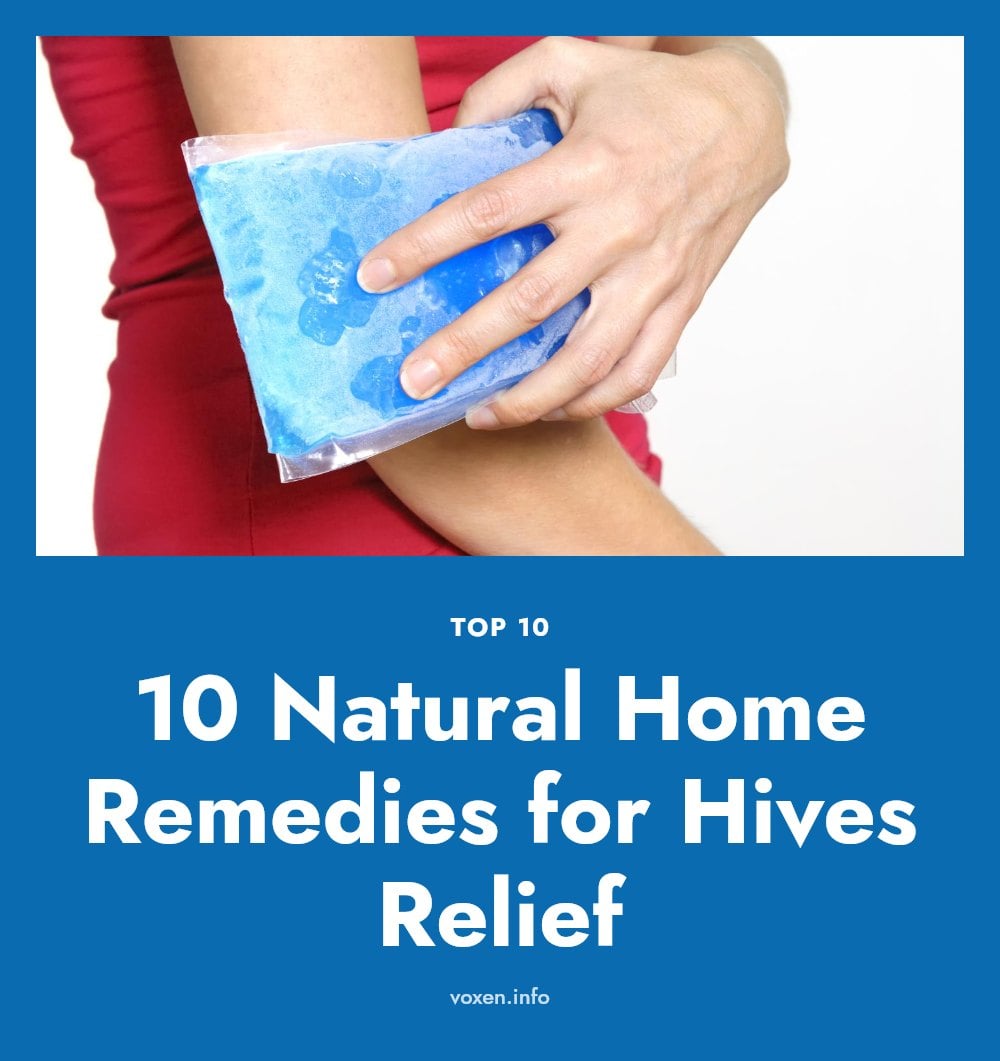
Applying a cool, damp cloth to the affected area can significantly reduce itching and inflammation. The cold temperature helps constrict blood vessels, which limits the release of histamine and soothes the skin. Taking a cool bath or shower can also provide widespread relief for itchy skin.
My tip: Avoid hot water, as it can make itching worse by further irritating your skin. Stick to lukewarm or cool water for the best results.
2. Oatmeal Baths

Colloidal oatmeal baths are a traditional and effective way to soothe irritated skin. The compounds in oatmeal have anti-inflammatory and anti-itch properties that can calm widespread hives. To prepare, add finely ground colloidal oatmeal to lukewarm bathwater and soak for 15-20 minutes.
Tip: You can find colloidal oatmeal at most drugstores, or you can grind plain oats in a blender until they form a fine powder. Pat your skin dry after the bath to retain the soothing layer.
3. Over-the-Counter Antihistamines
Oral antihistamines are the primary medical treatment for hives, helping to block histamine release which causes the welts and itching. Non-drowsy options like loratadine or fexofenadine are great for daytime use, while diphenhydramine can help with nighttime itching and sleep. Always follow the dosage instructions on the package or as advised by a healthcare professional.
Caution: Do not combine multiple antihistamines unless directed by a doctor. If symptoms persist or worsen, consult a healthcare provider.
4. Loose, Cotton Clothing

Reach for loose-fitting, soft cotton clothing when you have hives. Tight or synthetic fabrics rub against the welts, which can worsen itching and discomfort. My tip: Choose breathable materials like cotton or bamboo to keep your skin cool and reduce friction. Avoid wool, polyester, or anything scratchy until the hives clear.
5. Gentle Moisturizing
Keeping your skin well-moisturized helps maintain its barrier function and reduces dryness, which can make itching worse. Use a gentle, unscented lotion designed for sensitive skin. Apply it right after a cool bath or shower to lock in moisture. Skip products with fragrances, dyes, or alcohol that might irritate the hives further.
6. Calamine Lotion
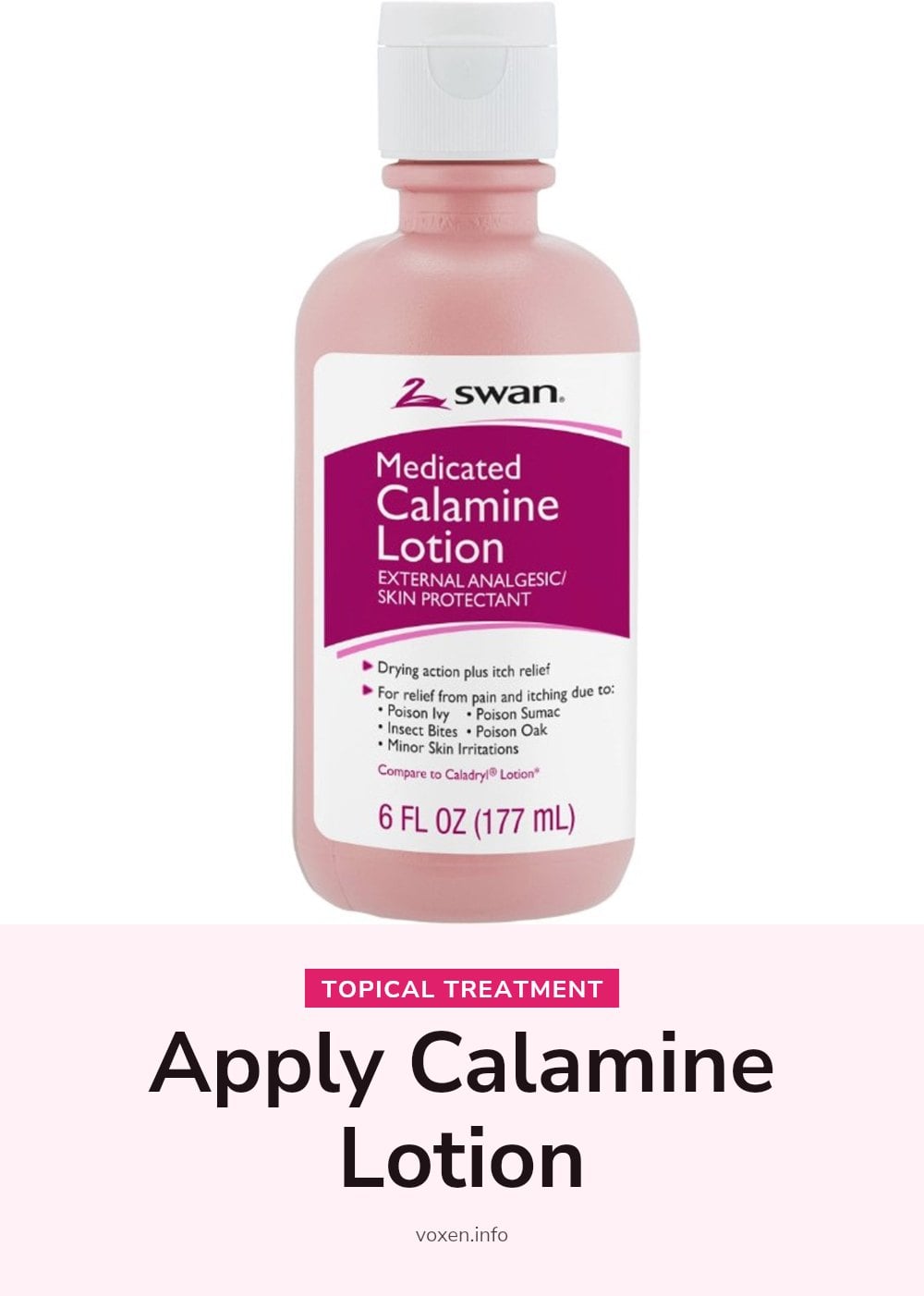
Calamine lotion is a classic remedy for itchy skin. It contains zinc oxide, which has mild antiseptic and astringent properties that can soothe hives. Apply a thin layer to the welts as needed. Keep in mind that hives usually don’t weep, so the drying effect of calamine may not be necessary, but many people still find the cooling sensation helpful.
7. Aloe Vera Gel
Pure aloe vera gel has natural anti-inflammatory properties that can calm irritated skin and reduce redness. Its cooling sensation is especially comforting for itchy hives. Apply a small amount directly to each welt and let it absorb. Look for 100% aloe vera gel without added colors or fragrances for the gentlest option.
8. Witch Hazel
Witch hazel is a natural astringent that some people find helpful for reducing itching and inflammation from hives. Its tightening effect on the skin can also temporarily reduce redness. Tip: Apply it gently with a cotton ball to the affected areas. Test on a small patch of skin first to ensure it doesn’t cause further irritation, as witch hazel can be drying for some skin types.
9. Stress Management Techniques
If stress is a known trigger for your hives, incorporating stress management techniques can be incredibly beneficial. Practices like deep breathing, meditation, or yoga can help lower your stress levels and potentially reduce outbreaks. I’ve found that managing my stress often helps calm my skin, too. Even taking just five minutes for yourself can make a difference.
10. Identify and Avoid Triggers
One of the most crucial steps in managing hives is identifying and avoiding your specific triggers. Keep a journal to track potential culprits like certain foods, medications, environmental factors, or even physical stimuli such as heat or pressure. Avoiding triggers is key to preventing future outbreaks and reducing the frequency of hives over time.
When to See a Doctor for Hives
Seek immediate medical attention if hives are accompanied by difficulty breathing, swelling of the face, lips, tongue, or throat, dizziness, or a feeling of impending doom. These can be signs of anaphylaxis, a life-threatening allergic reaction. Consult a doctor if your hives persist for more than a few days, are very uncomfortable, or interfere with daily life. Never self-diagnose or treat chronic hives without medical consultation, as an underlying condition may need to be addressed.
Frequently Asked Questions
How long do hives usually last?
Individual hives typically fade within 24 hours, but new ones can appear as old ones go away, making the overall outbreak last longer. Acute urticaria lasts less than six weeks, while chronic urticaria persists for more than six weeks. If your hives last beyond a few days or keep coming back, it’s a good idea to check with a doctor.
Can stress cause hives?
Yes, stress is a known trigger for hives in some people. When you’re stressed, your body releases chemicals like histamine that can cause welts to form. Incorporating stress management techniques such as deep breathing, meditation, or yoga may help reduce outbreaks if stress is a trigger for you.
Are hives contagious?
No, hives are not contagious. They are an immune response, not an infection, so you cannot pass them to someone else through touch or close contact. If you see raised welts on someone, there is no risk of catching them.
What foods should I avoid if I have hives?
Common food triggers include nuts, shellfish, eggs, milk, and strawberries, but triggers vary from person to person. The best approach is to keep a journal tracking what you eat and when hives appear. Avoid any foods you suspect might be causing a reaction, and talk to a doctor or allergist for personalized guidance.
Can I get hives from insect bites?
Yes, insect bites are a possible trigger for hives. The body can react to the saliva or venom from bites by releasing histamine, which leads to welts. If you notice hives appearing after a bite, applying a cool compress or an over-the-counter antihistamine can help calm the reaction.
Final Thoughts
For quick relief, start with a cool compress and an over-the-counter antihistamine. Keep in mind that individual hives usually fade within 24 hours, but new ones can appear for days or weeks. Stick with gentle, fragrance-free products and loose clothing until your skin settles. You’ve got the tools to feel better while your body works things out.
This article is for general informational purposes only and does not constitute medical advice. Hives can be a sign of a serious allergic reaction. If you experience difficulty breathing, swelling of the face or throat, or other severe symptoms, seek emergency medical help immediately. Always consult a healthcare professional for persistent or concerning skin issues.

