You might think SPF is only for beach days or summer heat, but the truth is your skin needs protection every single day, even when you’re indoors or bundled up in winter. Harmful UVA rays can sneak through clouds and glass windows, contributing to premature aging and skin cancer risks year-round. This article breaks down why daily SPF is non-negotiable, how UV rays reach you in unexpected places, and how to choose and use the right sunscreen for consistent protection.

Key Takeaways
- Apply broad-spectrum SPF 30 or higher every morning, regardless of weather or location.
- UVA rays penetrate glass windows and clouds, so indoor and winter exposure still damages skin.
- Snow reflects up to 80% of UV radiation, increasing your exposure during winter activities.
- Makeup with SPF alone is rarely enough; use a dedicated sunscreen as your base layer.
- Reapply sunscreen every two hours when outdoors, sweating, or near windows for extended periods.
Yes, You Need SPF Year-Round, Even Indoors
Yes, you need SPF every day, no matter the weather or where you are. Harmful UVA rays penetrate clouds and glass windows, contributing to skin aging and skin cancer. UVB rays, the main cause of sunburn, can also get through some windows. Daily use of a broad-spectrum sunscreen with SPF 30 or higher is a fundamental step to protect your skin from long-term damage and health risks.
How UV Rays Reach You Indoors and in Winter
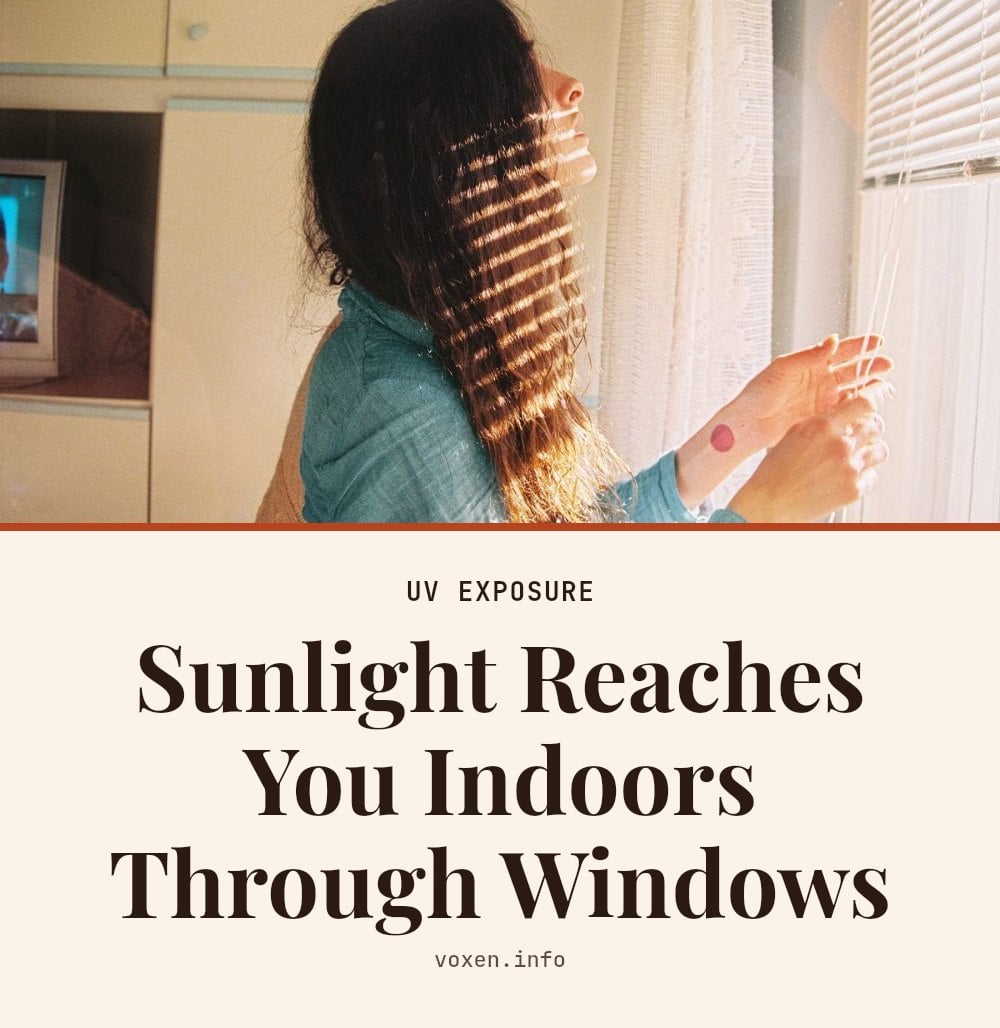
How UV Rays Reach You Indoors and in Winter
UVA rays easily pass through glass windows, so sitting by a window at home or in your car still exposes your skin to aging and cancer risks. While most UVB rays are blocked by glass, some can still get through depending on the window type.
Clouds are not your friend here either. Up to 80% of UV rays can penetrate cloud cover, meaning a cloudy day offers little real protection. Snow makes things worse by reflecting up to 80% of UV radiation, which significantly increases your exposure during winter activities like skiing or even a walk in the snow.
UV radiation is present year-round, and even brief, incidental exposure, walking to your car or grabbing the mail, adds up over time and contributes to skin damage.
Choosing the Right Sunscreen: Mineral vs. Chemical
Choosing between mineral and chemical sunscreen comes down to how they work and what your skin prefers. Broad-spectrum protection against both UVA and UVB rays is non-negotiable, and the American Academy of Dermatology recommends SPF 30 or higher daily.
| Type | How It Works | Key Ingredients |
|---|---|---|
| Mineral (physical) | Physically blocks UV rays | Zinc oxide, titanium dioxide |
| Chemical | Absorbs UV and converts to heat | Avobenzone, oxybenzone, octinoxate |
Mineral sunscreens sit on top of the skin and start working immediately, making them a good option for sensitive skin. Chemical sunscreens need about 15 minutes to become effective but often feel lighter on the skin.
Your Daily SPF Essentials
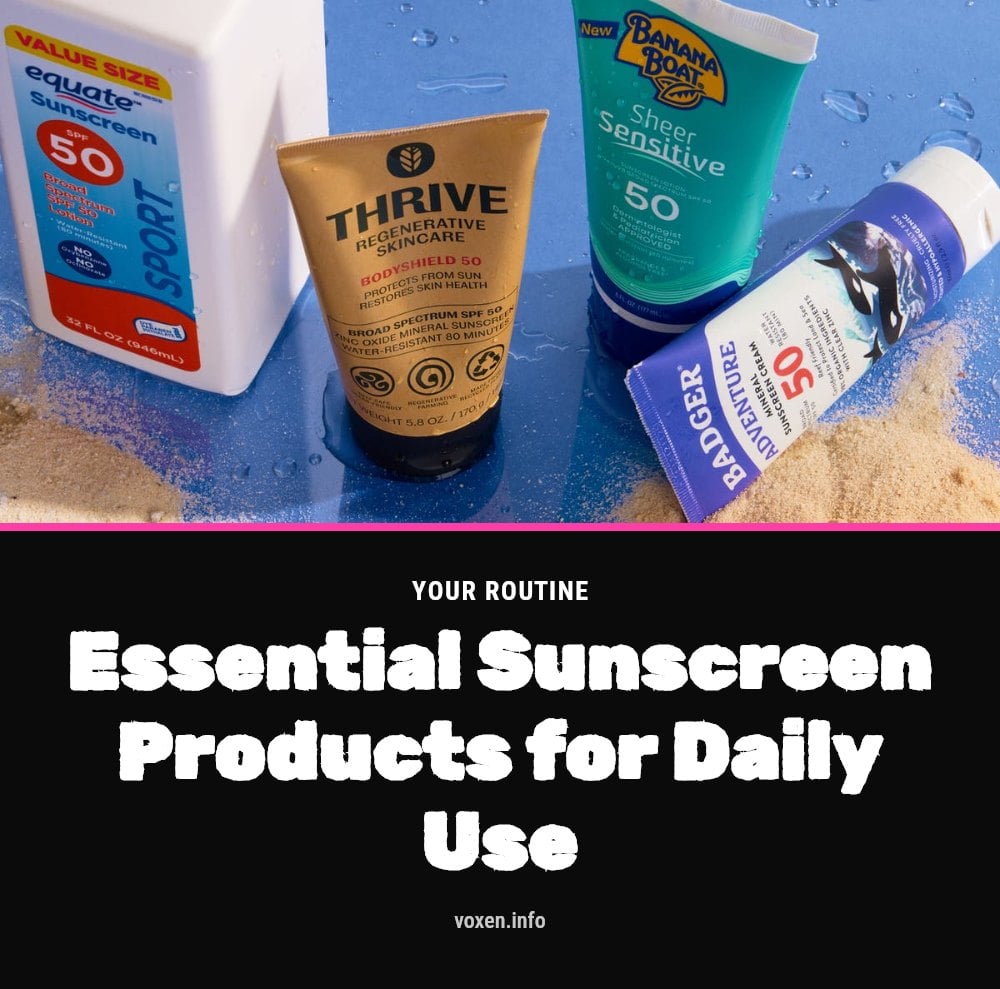
Broad-spectrum sunscreen (SPF 30+): Your non-negotiable base for every morning.
Moisturizer with SPF: A convenient option for light indoor days, but check the label for broad-spectrum and at least SPF 30.
Sunscreen stick: Great for on-the-go reapplication, especially around the face and ears.
Sunscreen spray: Useful for quick body application, but rub it in to ensure even coverage.
UV-protective clothing and sunglasses: Add physical protection when you are outdoors for longer periods.
How to Incorporate SPF into Your Daily Routine
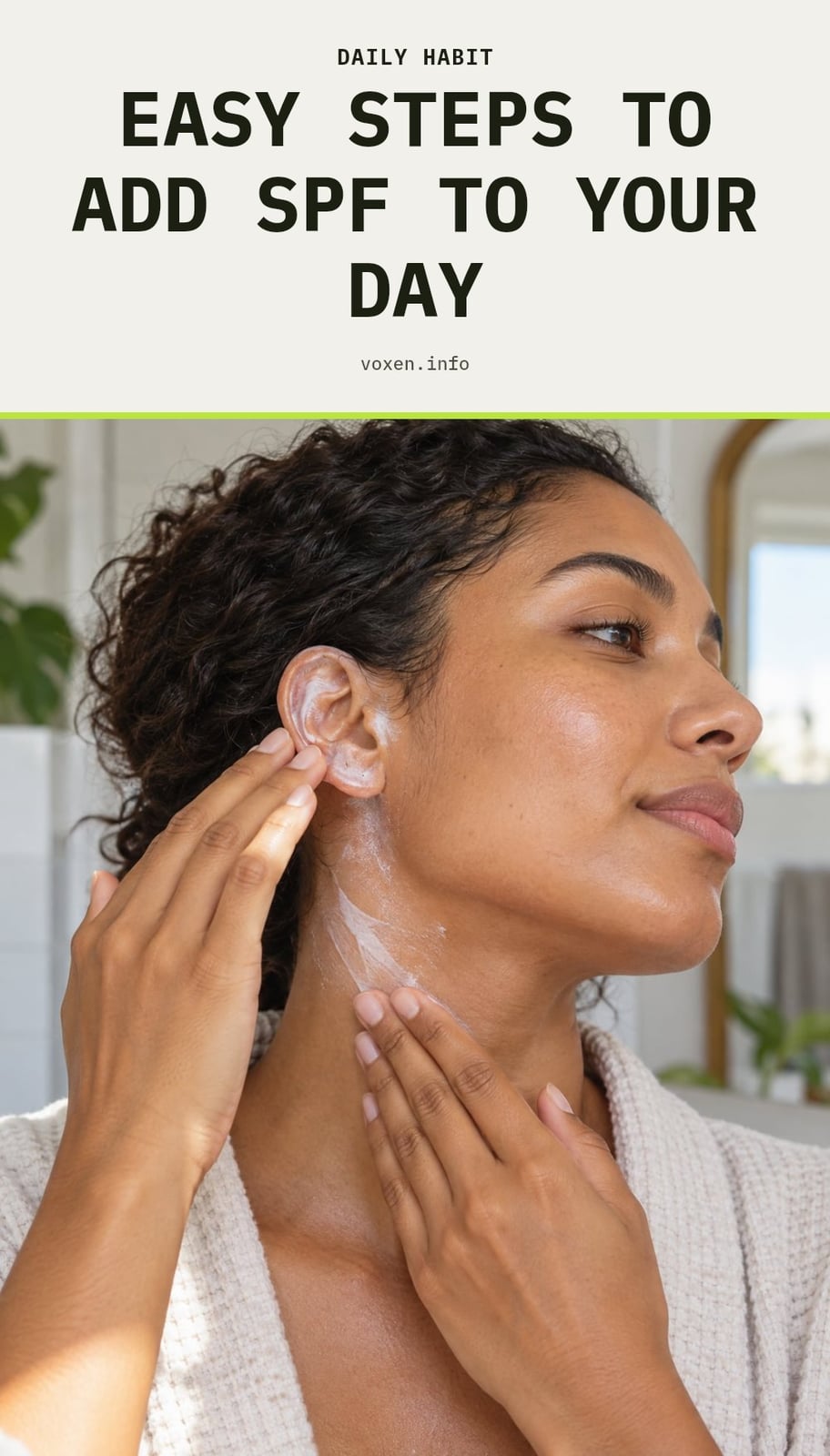
- Apply as the last skincare step: Use a broad-spectrum SPF 30 or higher every morning, after moisturizer and before makeup. This ensures the sunscreen sits on top of your skin and forms an even barrier.
- Measure a nickel-sized dollop: Squeeze out about a nickel-sized amount for your face and neck, roughly half a teaspoon. Using too little cuts the protection you actually get from the SPF number on the bottle.
- Cover all exposed skin: Spread the sunscreen over your face, neck, ears, and the tops of your hands. These areas get incidental sun even during short walks or drives, and that exposure adds up over time.
- Reapply every two hours outdoors: If you are outside, sweating, or swimming, reapply every two hours. Water-resistant formulas help, but they still need a fresh layer after toweling off or heavy perspiration.
- For babies under six months: Consult a pediatrician before applying sunscreen to an infant. In most cases, shade and protective clothing are the recommended first defense, so plan outdoor time around those measures.
Common SPF Application Mistakes to Avoid
- Skipping SPF on cloudy days or during winter months: Up to 80% of UV rays penetrate clouds, and snow reflects up to 80% of UV radiation. UV is present year-round.
- Believing indoor environments offer complete UV protection: UVA rays pass through glass windows, so sitting by a window at home, in the office, or in your car still exposes your skin.
- Relying solely on makeup with SPF: The amount of foundation or powder you apply is rarely enough to reach the labeled SPF protection. Use a dedicated sunscreen underneath.
- Applying too little sunscreen: A thin layer will not give you the SPF stated on the bottle. You need a nickel-sized dollop for your face.
- Not reapplying frequently enough: Sunscreen wears off with sweat, water, and time. Reapply every two hours when you are outdoors, swimming, or sweating.
- Assuming a darker skin tone means no need for SPF: All skin tones can experience sun damage and skin cancer. UV protection is necessary for everyone.
When to Consult a Dermatologist About Sunscreen
If you develop a rash, redness, or irritation after applying sunscreen, stop using it and consult a dermatologist. For children under six months, always ask a pediatrician before using sunscreen; shade and protective clothing are usually preferred. If you suspect an allergy to ingredients like oxybenzone or avobenzone, a dermatologist can recommend mineral alternatives containing zinc oxide or titanium dioxide. Also seek professional advice if you notice changes in moles or have persistent concerns about sun damage.
Frequently Asked Questions
What is the difference between UVA and UVB rays?
UVA rays penetrate deep into the skin and are mainly responsible for premature aging and skin cancer; they can pass through glass and clouds. UVB rays are the primary cause of sunburn and are mostly blocked by glass, though some can still get through. Broad-spectrum sunscreen protects against both types.
Can I get enough SPF from my makeup?
Relying solely on makeup with SPF is usually not enough because you typically apply too little to reach the labeled protection. Use a dedicated broad-spectrum sunscreen with SPF 30 or higher as your base layer, then consider makeup with SPF as a bonus, not a replacement.
How often should I reapply sunscreen if I’m indoors?
If you’re indoors all day and not near windows, a single morning application is generally sufficient. However, if you sit by a window for long periods, consider reapplying every two hours. For outdoor exposure or sweating, stick to the two-hour rule.
Does blue light from screens damage skin and require SPF?
Electronic devices emit low levels of blue light, but their contribution to skin damage is minimal compared to UV radiation. While some sunscreens now include ingredients to filter blue light, it is not a primary concern for daily SPF application. Focus on broad-spectrum UV protection first.
Is mineral or chemical sunscreen better for sensitive skin?
Mineral sunscreens containing zinc oxide or titanium dioxide are often better for sensitive skin because they sit on top of the skin and are less likely to cause irritation. Chemical sunscreens absorb into the skin and may trigger reactions in some people. If you have sensitivities, try a mineral formula first.
How do I know if my sunscreen is still effective?
Check the expiration date on the bottle. Sunscreen typically remains effective for up to three years from the date of manufacture. If there is no date, or if the texture, color, or smell has changed, replace it. Expired sunscreen may not provide the stated level of protection.
Final Thoughts
My tip: make broad-spectrum SPF 30 or higher the last step in your morning skincare routine, every day, without exception. Realistically, you don’t need to reapply if you’re staying indoors away from windows all day, but for any time near glass or stepping outside, plan for reapplication. Consistent daily use is your best defense against cumulative sun damage and keeps your skin healthier for the long haul.
This article is for informational purposes only and does not constitute medical or professional advice. Sunscreen needs can vary based on individual skin type, health conditions, and environment. For persistent skin concerns, allergies, or questions about sun protection for children, consult a dermatologist or healthcare provider.

