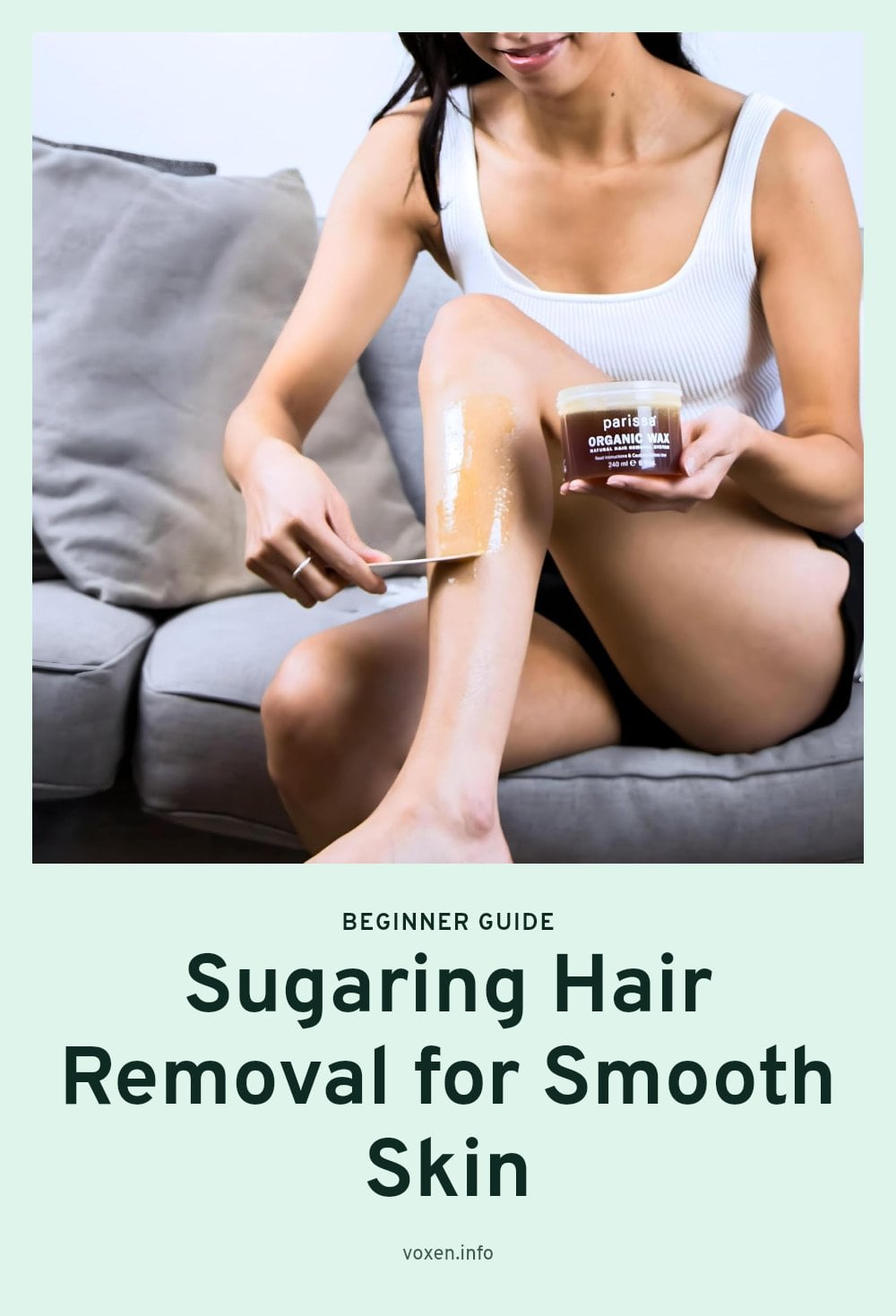
If you’re tired of razor burn or the sting of hot wax, sugaring might be the gentle alternative you’ve been looking for. This ancient hair removal method uses a simple paste of sugar, lemon juice, and water to remove hair with less irritation. In this article, I’ll walk you through everything you need to know to try sugaring at home, from prepping your skin to mastering the technique and caring for your skin afterward.
Key Takeaways
- Hair should be at least 1/8 to 1/4 inch long for effective sugaring.
- Exfoliate gently 24-48 hours before, not immediately after, sugaring.
- Apply paste against hair growth and remove in the direction of growth.
- Keep skin taut during removal to reduce discomfort and improve results.
- Avoid hot showers, swimming, and shaving for at least 24 hours after sugaring.
What is Sugaring and Why Try It?
Sugaring is an ancient hair removal method that uses a natural paste made from just sugar, lemon juice, and water. The paste is applied against the direction of hair growth and then flicked off with it. It’s gentler than waxing because it adheres mainly to hair and dead skin, not live skin, which reduces irritation and ingrown hairs. The paste is applied at room temperature or slightly warm, so there’s no burn risk, and it’s water-soluble for easy cleanup.
1. Gather Your Sugaring Essentials

You need sugaring paste, which you can make at home or buy. It’s simply sugar, lemon juice, and water. Keep cornstarch or baby powder nearby to absorb moisture, especially on humid days or sweat-prone areas. Have a pre-sugaring cleanser and a post-sugaring soothing gel like aloe vera for skin prep and aftercare.
- Cornstarch or baby powder: Absorbs excess moisture, helping the paste grip hair better.
- Pre-sugaring cleanser: Removes oils and lotions so the paste sticks only to hair and dead skin.
- Post-sugaring soothing gel: Calms skin and reduces redness after removal.
2. Prep Your Skin Properly
Exfoliate gently 24-48 hours before sugaring to remove dead skin cells and help prevent ingrown hairs. Do not exfoliate immediately before, as that can irritate skin. Right before you start, make sure your skin is perfectly clean, dry, and free of any lotions, oils, or deodorants. If you tend to sweat or have oily skin, apply a thin layer of cornstarch or baby powder to create a barrier and absorb excess moisture. This helps the paste grip hair without sticking to damp skin.
3. Ensure Hair is the Right Length
For effective sugaring, your hair should be at least 1/8 to 1/4 inch long, about the size of a grain of rice. If it’s too short, the paste can’t grip it properly, and removal won’t work. If it’s much longer, trim it slightly to this length for a more comfortable and efficient experience. This length ensures the paste wraps around the hair firmly for clean removal.
4. Master the Hand-Held Method
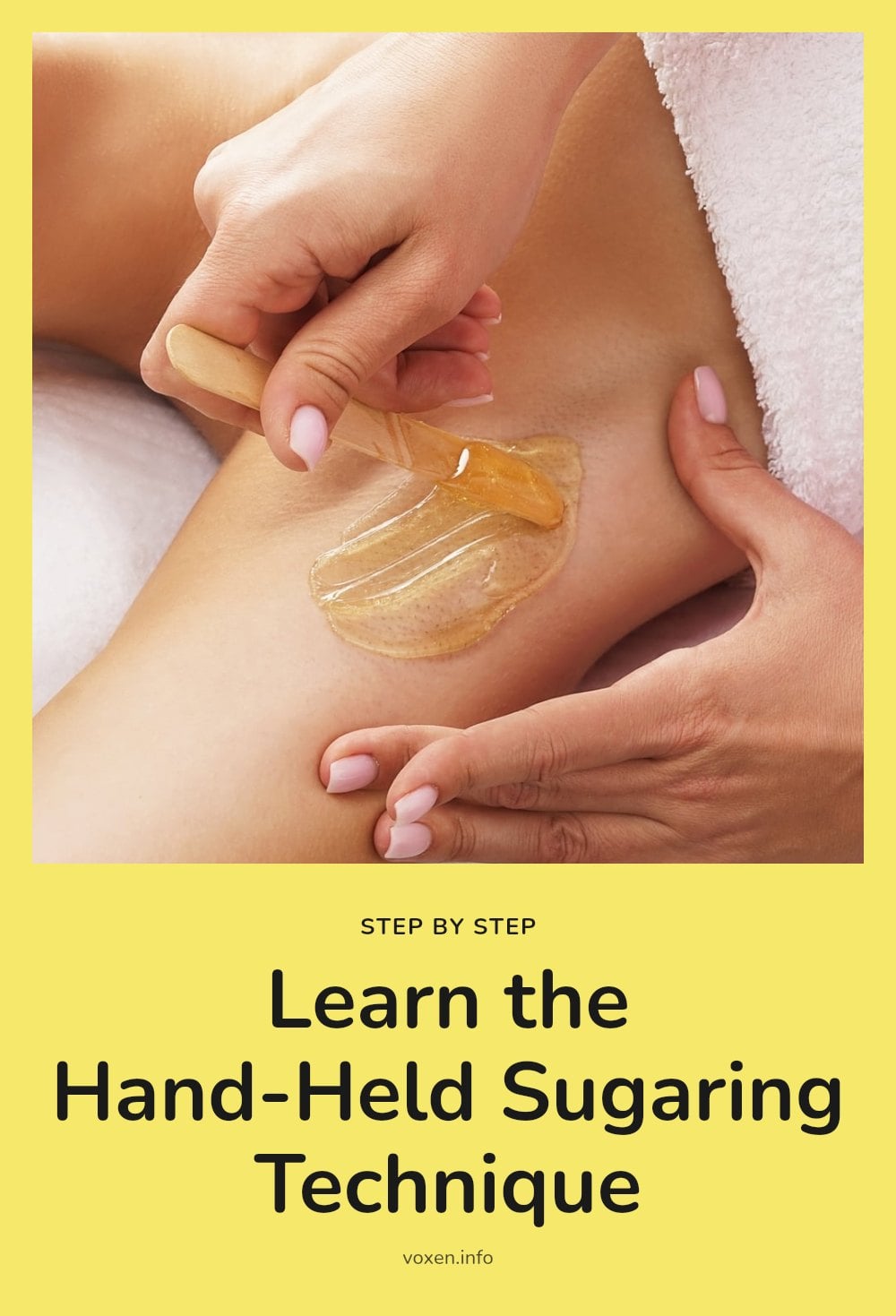
Take a small ball of sugaring paste and warm it slightly with your body heat until it’s pliable but not sticky. Apply the paste against the direction of hair growth, pressing firmly several times so it adheres well to the hair. Keep your skin taut with one hand, then flick the paste off quickly in the direction of hair growth, parallel to the skin. My tip: This technique minimizes hair breakage and reduces the chance of ingrown hairs because the hair is removed in its natural growth direction.
5. Consider the Strip Method
For the strip method, use a thinner sugaring paste and fabric strips, similar to waxing. Apply a thin layer of paste in the direction of hair growth using a spatula. Press a fabric strip firmly over the paste, then quickly pull it off in the direction of hair growth, keeping it parallel to the skin. My tip: This method might be easier for beginners on larger areas like legs, but it can be a bit more irritating than the hand-held technique because the strip removes hair against the growth direction.
6. Keep Skin Taut
Always keep the skin taut with one hand while applying or removing the paste. This significantly reduces discomfort and prevents bruising or skin lifting. It also helps the paste grip the hair more effectively, leading to cleaner removal with fewer passes.
7. Don’t Overwork the Paste
If you’re using the hand-held method, avoid working the paste for too long on one area. Overworking it will cause the paste to become too warm, soft, and sticky, making it difficult to remove effectively. If your paste becomes too soft, simply grab a fresh piece or let the current one cool down slightly before continuing.
8. Clean Up Easily
Cleanup is one of the best parts of sugaring because the paste is completely water-soluble. Any sticky residue left on your skin or tools rinses away with just warm water. No need for harsh chemicals or oily removers, which is a big plus if you have sensitive skin.
9. Soothe Skin After Sugaring
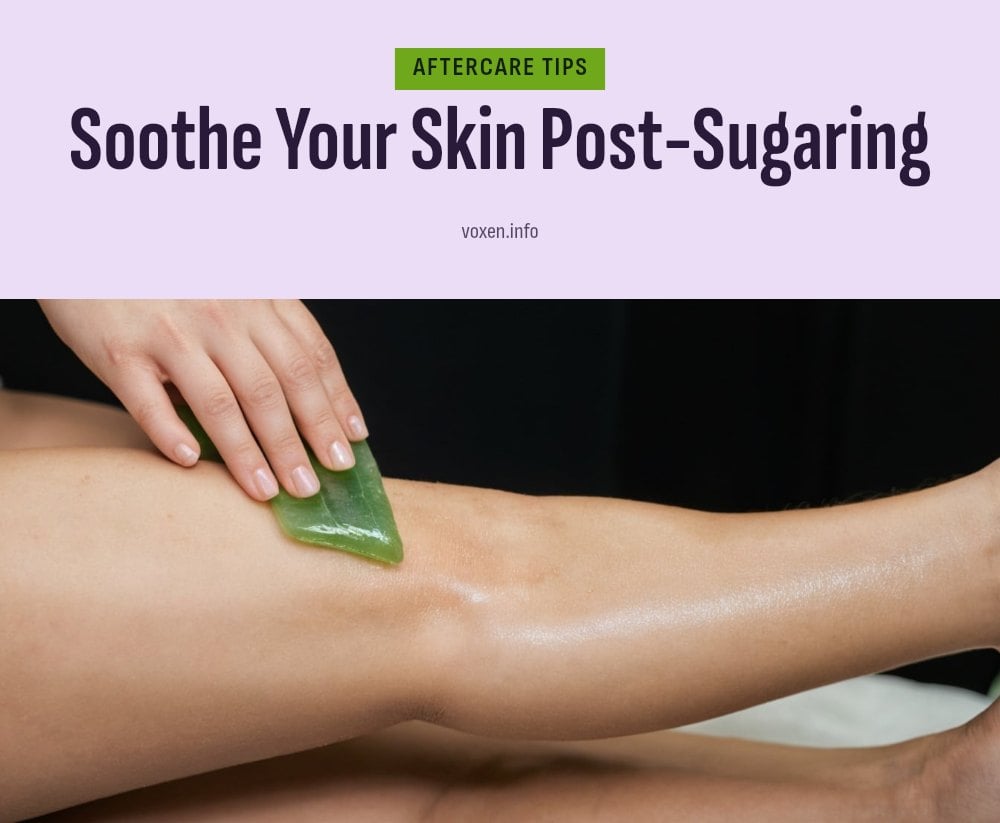
Right after sugaring, apply a soothing, non-comedogenic moisturizer or pure aloe vera gel to calm the skin and reduce redness. Skip heavy creams, fragranced products, and anything with active ingredients for at least 24-48 hours. Wear loose-fitting clothing to prevent friction and irritation on the freshly sugared area.
10. Post-Sugaring Don’ts
Don’t exfoliate immediately after sugaring; wait 24-48 hours to avoid over-irritating the skin. Avoid hot showers, baths, saunas, hot tubs, and swimming for at least 24 hours to reduce the risk of bacterial infection and irritation. Don’t shave between sugaring appointments. Let the hair grow out to maintain the benefits of finer regrowth.
11. Know When to See a Pro
If you’re new to sugaring, consider getting your first few sessions done by a professional. A pro can teach you the correct techniques and help you avoid missed spots or skin irritation. If you have very sensitive skin, certain medical conditions like diabetes, or are using retinoids, it’s always best to consult a professional or dermatologist before trying sugaring at home.
Frequently Asked Questions
Is sugaring less painful than waxing?
Many people find sugaring less painful than waxing. Because the paste is removed in the direction of hair growth rather than against it, there is less tugging on the hair follicle and less trauma to the skin. The paste also doesn’t stick to live skin, which can reduce the sting.
How long does sugaring last?
Sugaring results typically last 3 to 4 weeks. Over time, with regular sessions, many people notice that hair regrows finer and sparser, which can extend the time between treatments. Consistency is key for the best long-term results.
Can I sugar sensitive areas?
Yes, sugaring is generally considered safe for sensitive areas, including the bikini line and underarms, because the natural paste is gentle and adheres mainly to hair and dead skin. However, always do a patch test first, and if you have a medical condition like diabetes or are using retinoids, consult your doctor before sugaring sensitive skin.
What if my sugaring paste is too sticky?
If your paste becomes too soft and sticky, it may have been overworked or is too warm. For the hand-held method, simply grab a fresh, cooler ball of paste. You can also dust a small amount of cornstarch or baby powder on your skin before applying the paste to help absorb excess moisture and reduce stickiness.
How long should hair be for sugaring?
For effective sugaring, hair should be at least 1/8 to 1/4 inch long, about the length of a grain of rice. If the hair is too short, the paste won’t grip it properly. If it’s much longer, trim it slightly to that length for the best results.
Final Thoughts
My tip for getting started: try the hand-held method first with a small ball of paste on a less sensitive area, like your legs. It takes a few tries to get the feel for the right consistency and flicking motion. Expect results to last about 3-4 weeks, and with regular sessions, you may notice finer, sparser regrowth over time. Give it a few sessions to decide if it’s the right method for you.
This article is for general informational purposes only and does not constitute medical or professional advice. Results may vary based on individual skin type and technique. Always do a patch test before trying a new hair removal method, and consult a dermatologist or healthcare provider if you have a skin condition, are on medications that affect skin sensitivity, or experience persistent irritation.

