Sunburn pain can really take you by surprise, and once that redness sets in, you just want it to stop. This article walks you through the best ways to calm your skin right now, what to avoid so you don’t make things worse, and how to help your skin heal properly.
Key Takeaways
- Cool your skin with a lukewarm bath or shower for 10-15 minutes as soon as you notice the burn.
- Apply a fragrance-free moisturizer with aloe vera to damp skin to lock in hydration and reduce inflammation.
- Drink plenty of water to prevent dehydration, which is common after a sunburn.
- Never pop blisters or pick at peeling skin to avoid infection and scarring.
- Stay out of the sun completely until the sunburn has fully healed to prevent further damage.
Immediate Steps to Soothe Sunburned Skin
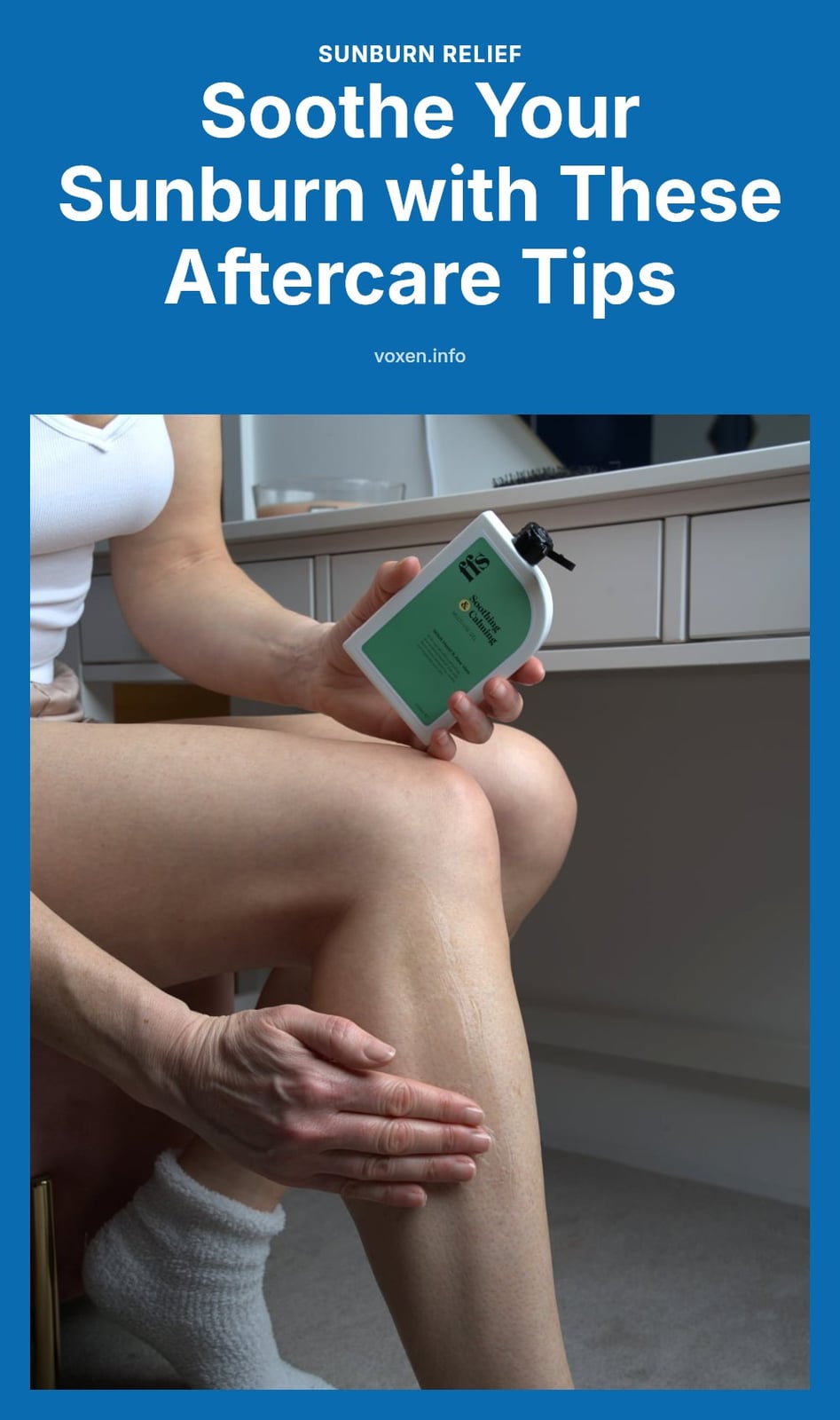
As soon as you notice the burn, get out of the sun and cool your skin. A cool bath or shower helps reduce inflammation and stops the heat from spreading. Pat dry, then apply a fragrance-free moisturizer to damp skin to lock in hydration and minimize peeling. Drink extra water to replace fluid lost during the inflammatory response.
Understanding Why Sunburn Occurs
Sunburn is your skin’s inflammatory reaction to DNA damage caused by ultraviolet (UV) radiation from the sun. When UV rays penetrate the skin, they harm the DNA in skin cells, triggering an immune response that brings redness, warmth, pain, and sometimes swelling or blistering.
Symptoms typically appear within a few hours and peak 12 to 24 hours after exposure. Even a mild sunburn means cellular damage has occurred, and the body is working to repair it.
Repeated sunburns, especially those that blister, significantly raise your risk of skin cancer, including melanoma. Each burn adds to the cumulative damage that can lead to long-term health consequences.
Essential Supplies for Sunburn Relief
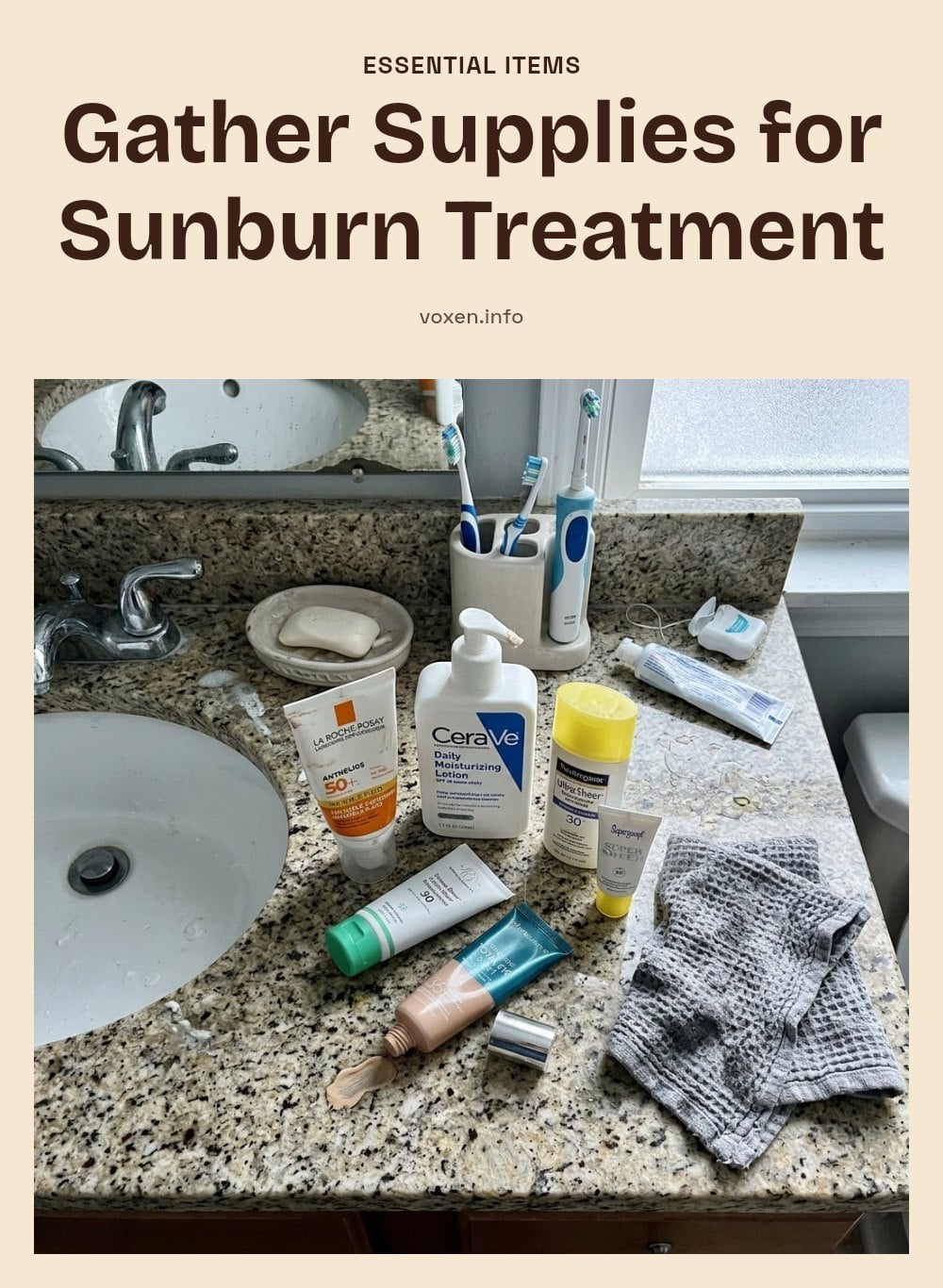
Having the right items on hand makes sunburn care more effective. Gather these essentials:
- Cool water for baths or showers to lower skin temperature
- Aloe vera gel for its soothing and anti-inflammatory properties
- Fragrance-free moisturizing lotion to support healing without irritation
- Over-the-counter pain relievers like ibuprofen or naproxen for pain and inflammation
- Loose, breathable clothing to protect skin without rubbing
Effective Ways to Treat Your Sunburn at Home
Start treatment as soon as you can. These methods help reduce pain, prevent further damage, and speed recovery.
Take cool baths or showers
Cool water lowers skin temperature and eases discomfort. Keep the water lukewarm, not cold, and limit time to 10-15 minutes. Avoid hot water, which worsens inflammation.
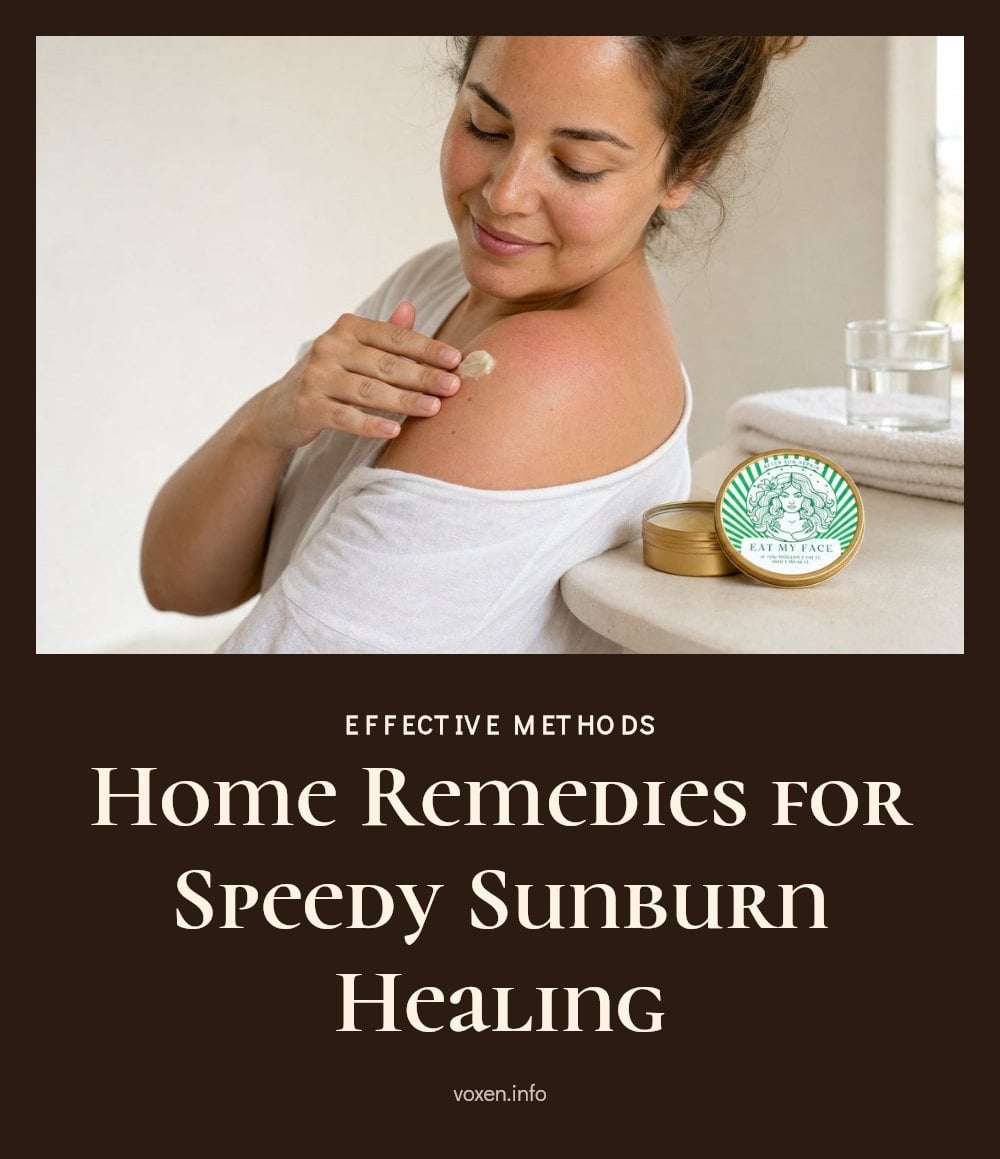
Apply aloe vera or soy-based moisturizer
Pat skin dry after bathing, then apply aloe vera gel or a fragrance-free soy-based moisturizer to damp skin. This locks in moisture and calms inflammation. My tip: Keep the gel in the refrigerator for extra cooling relief before application.
Drink plenty of water
Sunburn draws fluid to the skin surface, which can lead to dehydration. Drink water consistently throughout the day to help your body repair the damaged tissue.
Use OTC pain relievers
Ibuprofen or naproxen can reduce pain and swelling. Follow the label directions and do not exceed the recommended dose. Caution: Avoid topical products containing ‘caine’ ingredients (like benzocaine), as they can irritate sunburned skin or trigger allergic reactions.
Protect skin with loose clothing
Wear soft, loose-fitting fabrics like cotton that cover the burned areas. This prevents additional sun exposure and reduces friction while skin heals.
Common Sunburn Mistakes to Avoid
Continuing to expose sunburned skin to the sun worsens the damage and delays healing. Popping blisters removes the protective barrier and can lead to infection and scarring. Not drinking enough water compounds the fluid loss from the burn, making you feel worse. Applying heavy products like petroleum jelly or oil-based creams traps heat inside the skin, increasing inflammation. Harsh soaps, exfoliants, and products with ‘caine’ ingredients (like benzocaine) irritate already sensitive skin.
What to Expect and How to Care for Healing Skin
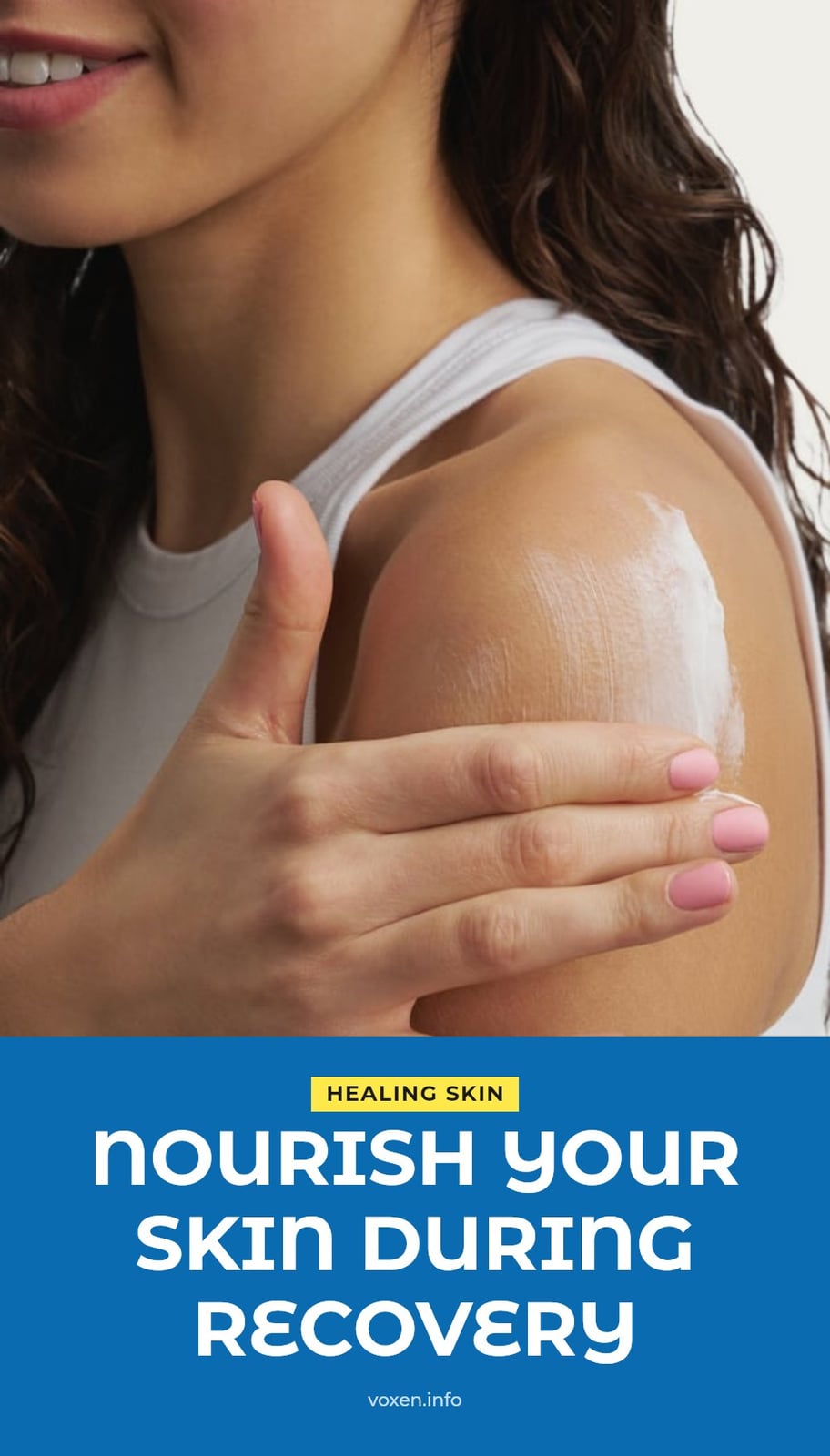
Peeling is a natural sign that your body is shedding damaged cells. Do not pick at or pull off peeling skin, as this can cause further damage and infection. Keep the area moisturized with a fragrance-free lotion to support healing and reduce itching. Once the skin has healed, protect it from future sun exposure with sunscreen and clothing to prevent another burn.
When to Seek Medical Attention for Sunburn
See a doctor if you have severe blistering over a large area, fever, chills, severe pain, headache, or confusion. Signs of infection include pus, increasing pain, or red streaks spreading from the burn. Seek medical attention for severe sunburn in children or infants, as they are more vulnerable to complications.
Preventing Future Sunburns
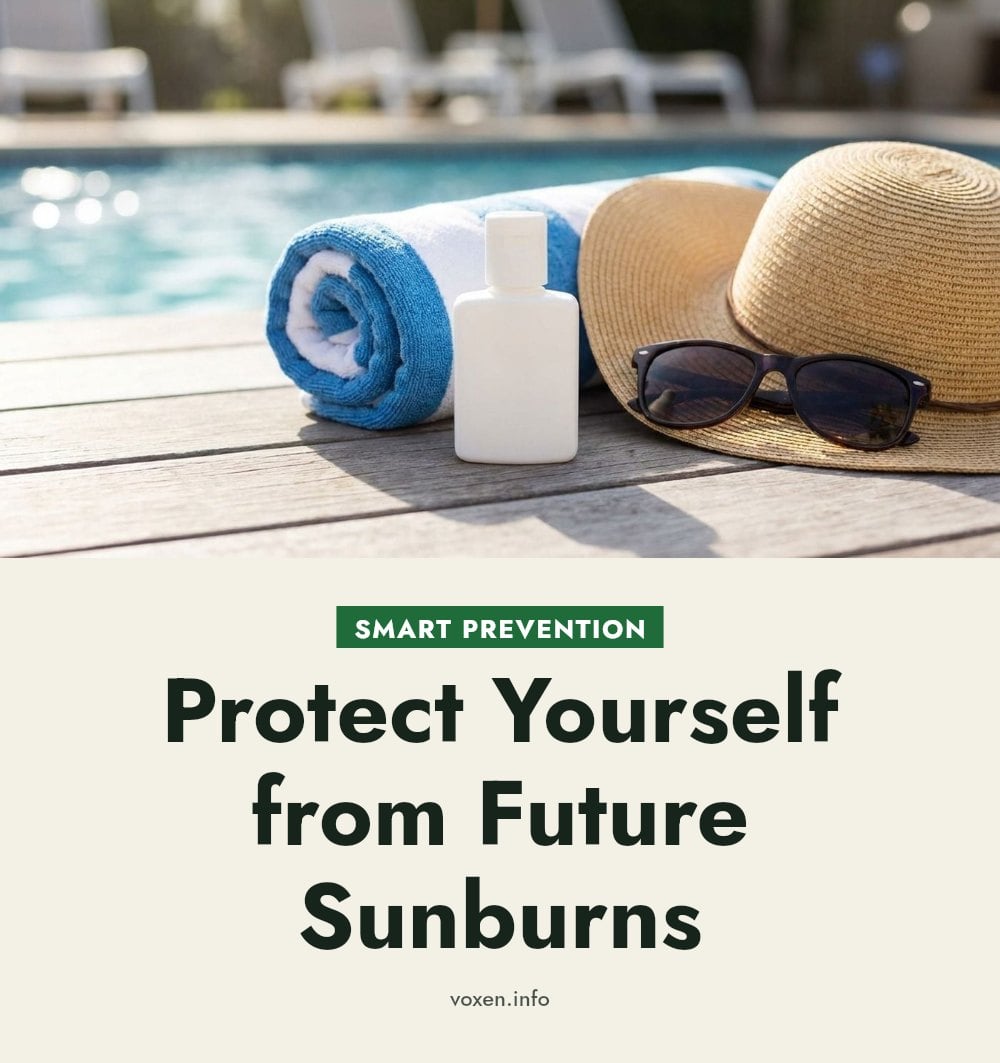
Apply a broad-spectrum sunscreen with SPF 30 or higher to all exposed skin, even on cloudy days. Reapply every two hours, and immediately after swimming or heavy sweating. Tip: Set a phone timer to remind yourself.
Wear protective clothing like a wide-brimmed hat, UV-blocking sunglasses, and long-sleeved shirts or rash guards. Seek shade during peak UV hours between 10 AM and 4 PM, when the sun’s rays are strongest. Avoid tanning beds entirely. They emit UV radiation that causes the same DNA damage as the sun.
Frequently Asked Questions
How long does it take for a sunburn to heal completely?
Mild sunburns typically improve within 3 to 5 days, with peeling lasting up to a week or more. Full healing can take several weeks depending on the severity of the burn. Severe burns with blistering may take longer and require extra care.
Can I put ice directly on a sunburn?
No, never apply ice directly to sunburned skin. Ice can damage the skin and make the burn worse. Instead, use a cool bath or shower, or apply a cool compress to soothe the area without causing additional harm.
Why is my sunburn peeling?
Peeling is a natural part of the healing process. Your body is shedding damaged skin cells to make way for new, healthy skin. Do not pick at or pull off peeling skin, as this can lead to further damage and infection. Keep the area moisturized to reduce itching.
Is it okay to pop sunburn blisters?
No, you should never pop sunburn blisters. Blisters protect the underlying skin from infection and help the burn heal. Popping them can introduce bacteria, leading to infection and scarring. Let them heal on their own.
Can I go back in the sun after a sunburn?
No, you should stay out of the sun completely until the sunburn has fully healed. Sunburned skin is more susceptible to further damage, and additional sun exposure will worsen the burn and delay recovery. Once healed, use a broad-spectrum sunscreen with SPF 30 or higher.
Final Thoughts
For the most effective recovery, start cooling your skin right away and keep it moisturized with a gentle, fragrance-free lotion. Expect mild sunburns to improve in 3 to 5 days, with peeling that can last up to a week or more. Protect your skin from the sun until it’s fully healed, and you’ll give it the best chance to recover without complications.
This article provides general information for sunburn aftercare and is not a substitute for professional medical advice. If you have severe symptoms, such as large blisters, fever, chills, or signs of infection, please consult a healthcare provider.

