Summer heat can make anyone feel a little sticky and self-conscious, but sweating is actually your body’s built-in cooling system. The key to staying fresh isn’t stopping sweat entirely. It’s managing it smartly with the right clothing and daily habits. This article covers the most effective fabric choices, timing for antiperspirant, and simple routines that can keep you comfortable and confident all season long.

Key Takeaways
- Choose breathable natural fibers like cotton or linen over synthetic materials in hot weather.
- Apply antiperspirant at night to clean, dry skin for the best sweat-blocking results.
- Wear loose-fitting clothing to allow air circulation and help sweat evaporate faster.
- Stay hydrated throughout the day to support your body’s natural cooling process.
- Shower daily with mild soap to remove bacteria that cause body odor.
How to Stay Fresh and Manage Sweating in Summer
Managing summer sweating comes down to a few smart moves: choose breathable fabrics, wear loose fits, and use antiperspirants at night for best results. Staying hydrated throughout the day helps your body cool itself, and recognizing triggers like spicy foods or caffeine can reduce unexpected sweat. A consistent routine with these strategies makes a real difference in comfort and confidence.
1. Choose Breathable Fabrics
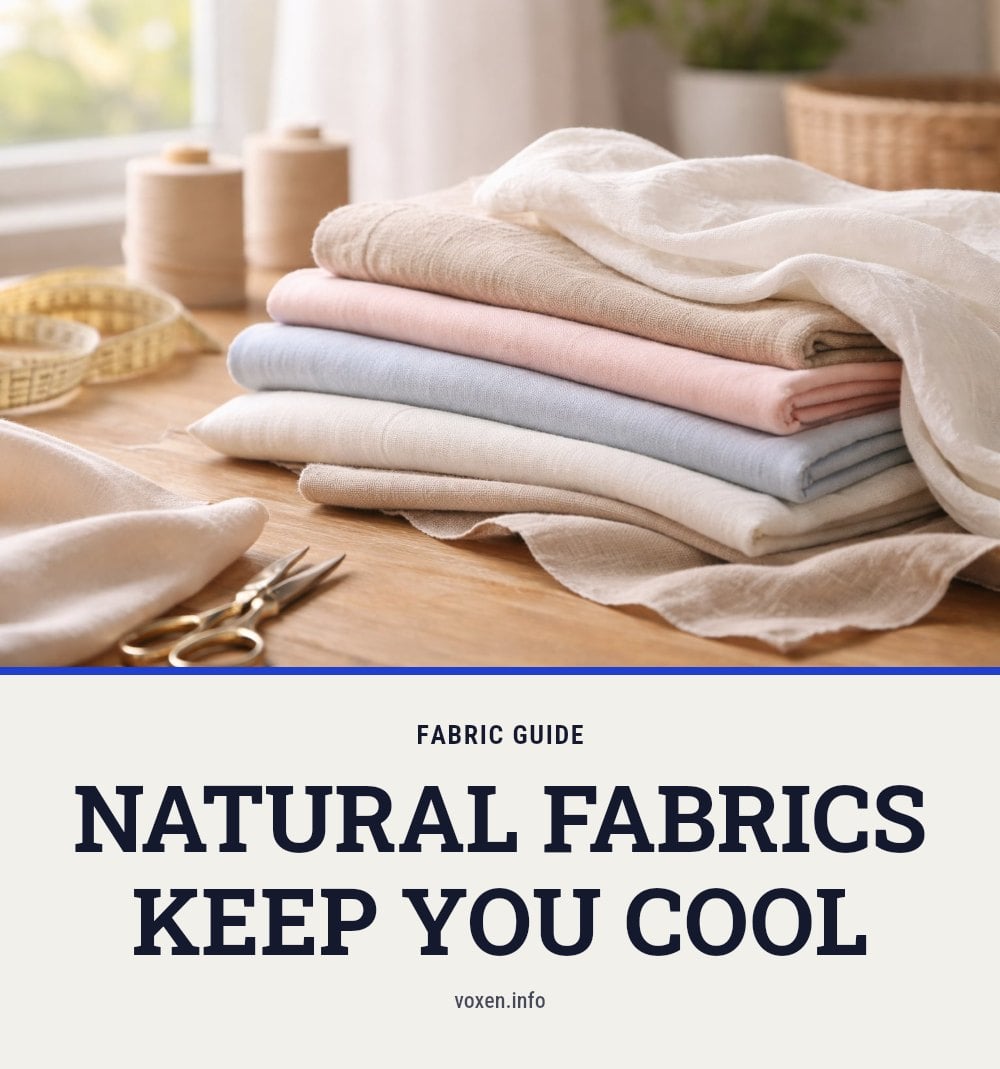
I’ve found that natural fibers like cotton, linen, and bamboo are my go-to for summer because they let your skin breathe. Synthetic materials such as polyester or nylon trap heat and moisture, which can make you feel even sweatier.
- Cotton: soft, absorbent, and widely available.
- Linen: lightweight and highly breathable, ideal for humid days.
- Bamboo: naturally moisture-wicking and soft against the skin.
2. Wear Loose-Fitting Clothing
My tip: steer clear of tight clothes in the heat. Loose-fitting clothing allows better air circulation around your body, which helps sweat evaporate more quickly. That evaporation is what actually cools you down and prevents that clammy feeling. Look for relaxed cuts in tops, dresses, and bottoms during warm weather.
3. Opt for Moisture-Wicking Fabrics
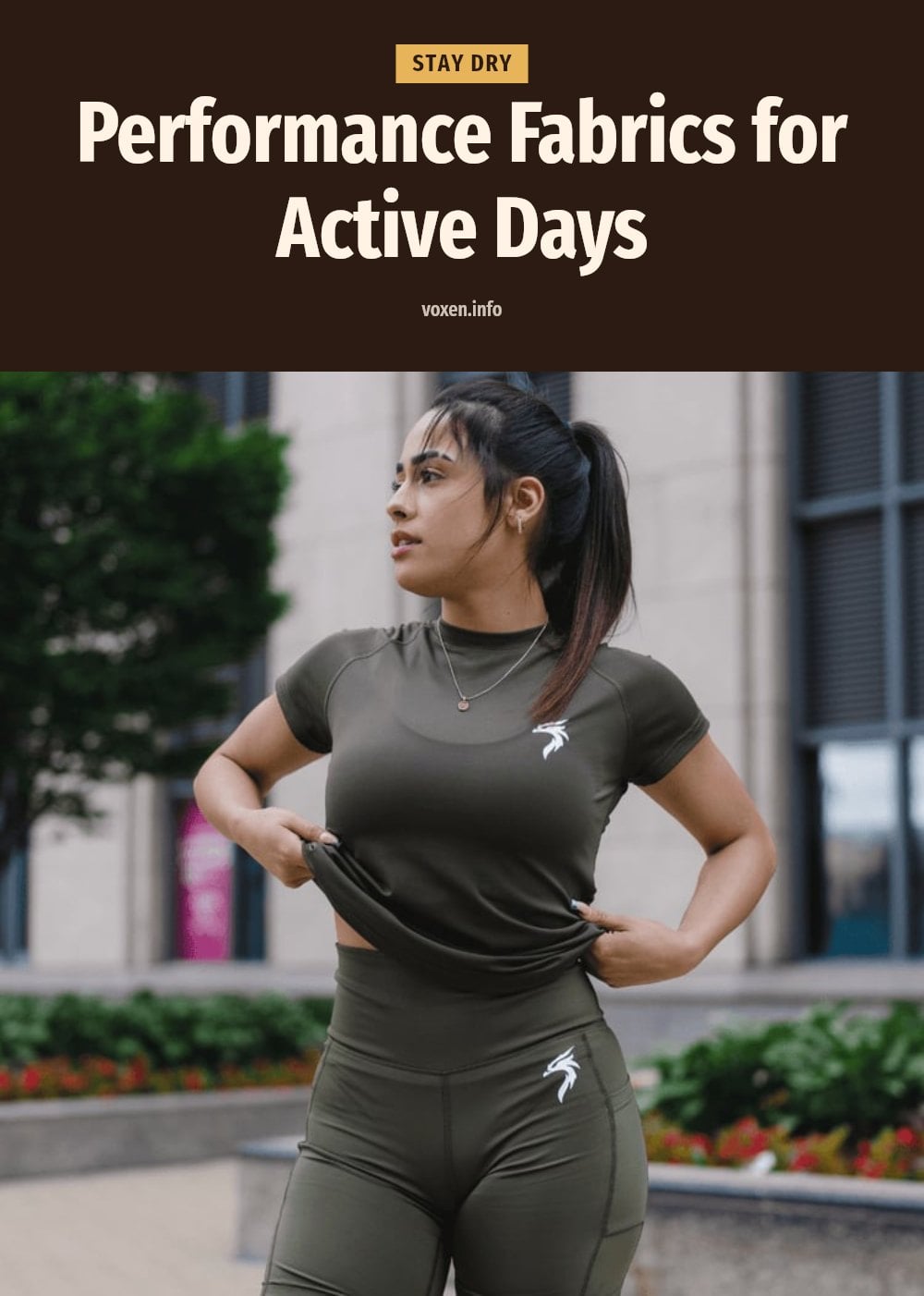
For workouts or very hot days, moisture-wicking fabrics are a smart choice. They are designed to pull sweat away from your skin and move it to the outer surface of the fabric, where it can evaporate faster. This keeps you drier and more comfortable during exercise or outdoor activities. Many athletic brands use polyester blends or specialized nylon for this purpose.
4. Apply Antiperspirant at Night
Apply your antiperspirant at night to clean, dry skin. This gives the active ingredients time to block sweat ducts while you are less active, making them most effective by morning. A quick swipe before bed can mean less sweat the next day.
5. Shower or Bathe Daily
Regular showering or bathing is crucial, especially after sweating. It removes bacteria that mix with sweat and cause body odor. A mild soap or body wash is all you need to stay fresh and clean. Focus on areas with apocrine glands, like your armpits and groin, where odor is most likely to develop.
6. Stay Hydrated
Drinking plenty of water throughout the day is essential when you are sweating a lot, even though it might seem counterintuitive. Sweating causes fluid loss, and staying hydrated prevents dehydration, which can make you feel even worse in the heat.
- How much: Aim for small, frequent sips rather than chugging large amounts at once.
- Watch for signs: Thirst, dry mouth, or dark urine mean you need more water.
- Pair with electrolytes: If you are sweating heavily from exercise, a sports drink or electrolyte tablet can help replace lost minerals.
7. Use Sweat Pads or Undershirts
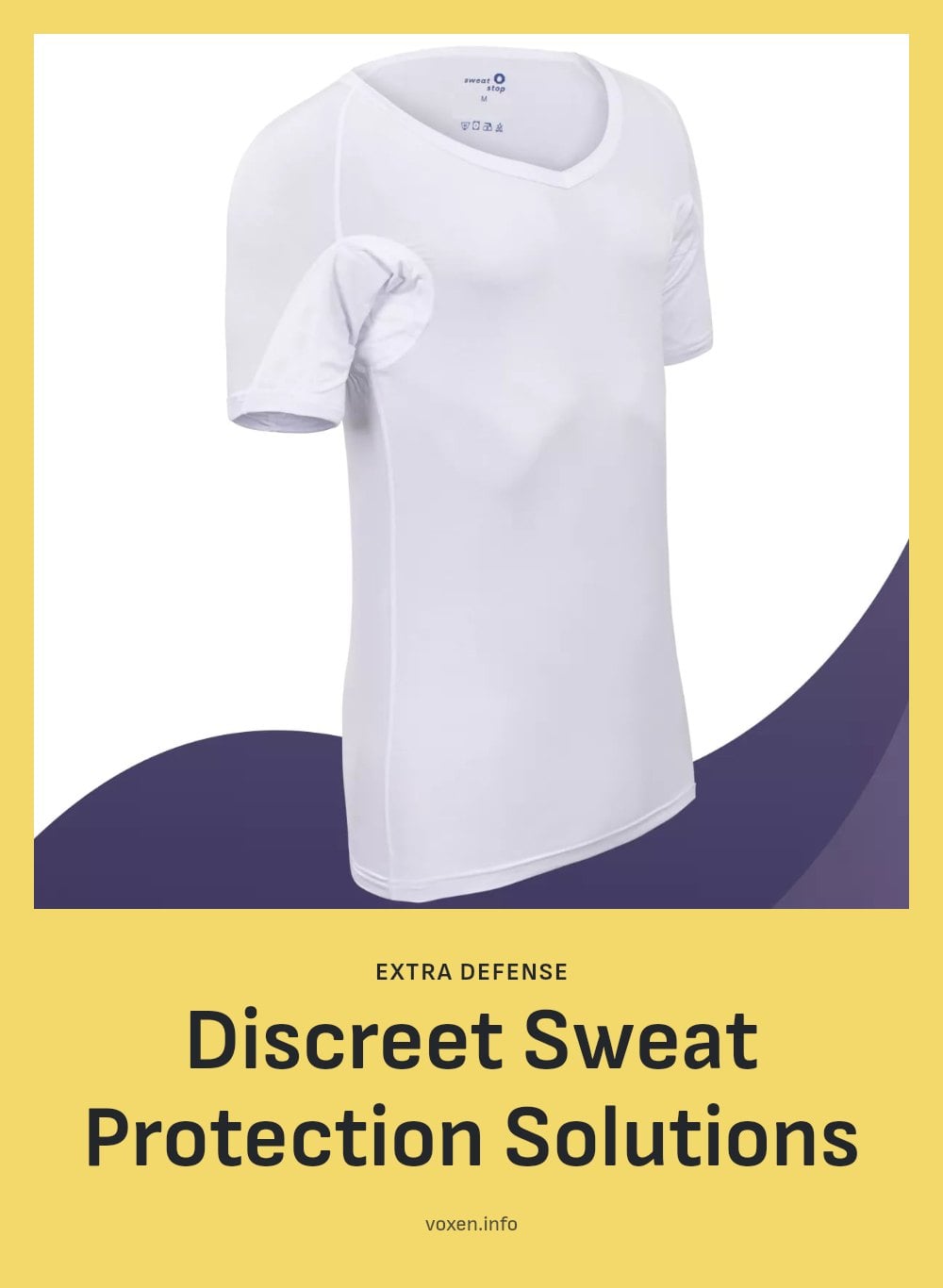
For extra protection, especially with delicate fabrics or important outfits, I always recommend sweat pads or a thin undershirt. They create a barrier that keeps sweat marks off your outer clothing, so you can feel more confident all day.
Tip: Stick-on sweat pads work well under silk or light colors, and a cotton undershirt adds a layer between you and your blouse. Both options are easy to find and simple to use.
8. Carry Blotting Papers or a Small Towel
A small, discreet towel or blotting papers are perfect for quick touch-ups during the day. I keep a pack of blotting papers in my bag for my face and neck, especially after commuting or before meetings. They absorb excess oil and sweat without disturbing makeup, and a small towel works well for a quick pat-down on the go.
9. Mind Your Diet and Caffeine Intake
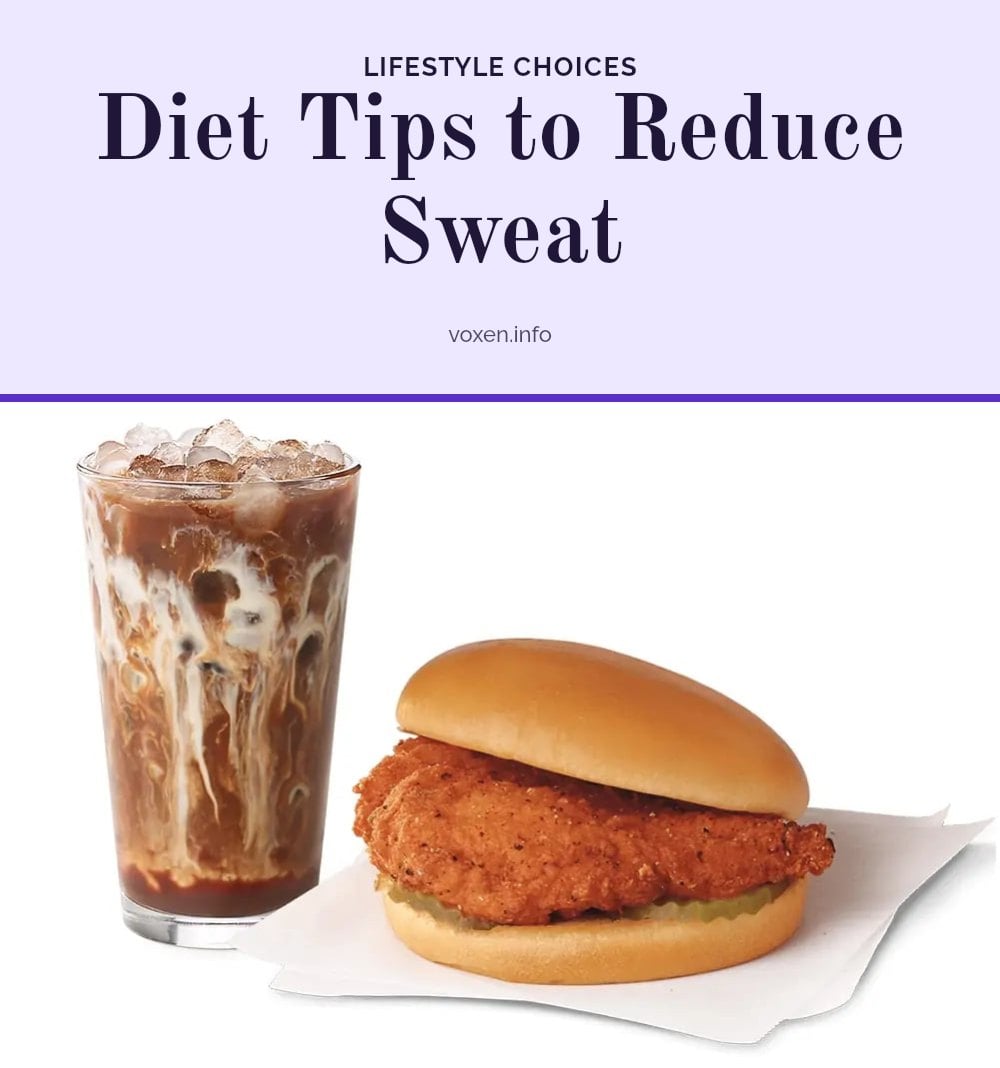
Spicy foods, caffeine, and alcohol can trigger extra sweating for some people. If you notice you feel warmer or sweat more after your morning coffee or a spicy meal, try cutting back, especially on hot days. Pay attention to your body’s signals, reducing these triggers may help you stay cooler and more comfortable.
10. Choose Breathable Shoes and Socks
Your feet need breathable options too. Choose socks made from natural fibers like cotton or wool, and shoes with mesh or leather uppers that let air circulate. This helps sweat evaporate instead of pooling inside your shoes, which reduces odor and keeps your feet dry all day.
11. Understand Sweat and Odor
Not all sweat is smelly. Eccrine glands cover most of your body and produce watery, odorless sweat that cools you down. The odor comes from apocrine glands in your armpits and groin, where sweat mixes with skin bacteria. Good hygiene, like daily showering with mild soap, targets those bacteria and keeps odor in check.
When to Talk to a Doctor About Sweating
If you experience sudden, excessive sweating that is not related to heat or exertion, or if it is accompanied by chest pain, dizziness, or shortness of breath, seek medical attention immediately. Consult a doctor if you suspect hyperhidrosis (excessive sweating) or if over-the-counter antiperspirants and deodorants are not helping. Be mindful of skin irritation from antiperspirants; discontinue use if you notice a rash or discomfort.
Frequently Asked Questions
What causes excessive sweating at night?
Nighttime sweating can be triggered by several factors, including a warm bedroom, heavy bedding, or certain medications. Stress, anxiety, and spicy foods eaten earlier in the day may also play a role. If night sweats are persistent and not linked to your environment, it’s a good idea to talk to a doctor to rule out underlying conditions.
Can diet changes reduce sweating?
Yes, for some people, cutting back on spicy foods, caffeine, and alcohol can help reduce sweating. These triggers can stimulate the nervous system and increase sweat production. Pay attention to how your body reacts after meals or coffee, and adjust your intake on hot days if you notice a difference.
Is it bad to sweat a lot during exercise?
Sweating heavily during exercise is normal and actually a sign that your body is cooling itself effectively. The concern is losing too much fluid without replacing it, which can lead to dehydration. Drink water before, during, and after your workout, and consider electrolyte replacement if you’re exercising intensely for a long time.
How do I prevent sweat stains on my clothes?
To avoid visible sweat marks, wear an undershirt or stick-on sweat pads as a barrier between your skin and outer clothing. Choose moisture-wicking or breathable fabrics that let sweat evaporate instead of soaking into the garment. For extra protection, apply antiperspirant at night so you start the day drier.
What’s the difference between deodorant and antiperspirant?
Antiperspirants work by temporarily blocking sweat ducts to reduce the amount of sweat that reaches your skin. Deodorants, on the other hand, mask or neutralize body odor but do not stop sweating. Many products combine both, so check the label if you want to target sweat production specifically.
Final Thoughts
Managing summer sweating comes down to a few consistent choices: reach for breathable, loose-fitting fabrics, apply antiperspirant at night, and stay on top of daily hygiene. If you notice sudden or excessive sweating that seems unrelated to heat or activity, it’s worth checking in with a doctor to rule out an underlying issue. With these habits in place, you can enjoy the season without worrying about sweat.
This article provides general information about managing sweating and is not a substitute for professional medical advice. If you have concerns about excessive sweating, sudden changes in your body’s response, or skin irritation from products, consult a doctor or dermatologist for personalized guidance.

