Tea tree oil is a go-to natural remedy for many of us dealing with acne, dandruff, or minor skin irritations. But here’s the thing: it’s potent stuff, and using it wrong can leave you with more redness and irritation than you started with. This article walks you through the essential safety rules, dilution ratios, and common mistakes, so you can use tea tree oil effectively without the guesswork.
Key Takeaways
- Always dilute tea tree oil with a carrier oil before applying it to your skin or scalp.
- Use a 1-2 drops per 12 drops carrier oil ratio for general skin application.
- Perform a patch test on your inner forearm and wait 24 hours before full use.
- Store tea tree oil in a cool, dark place in a tightly sealed dark glass bottle.
- Never ingest tea tree oil; it is toxic if swallowed.
Safe Tea Tree Oil Use: Always Dilute It
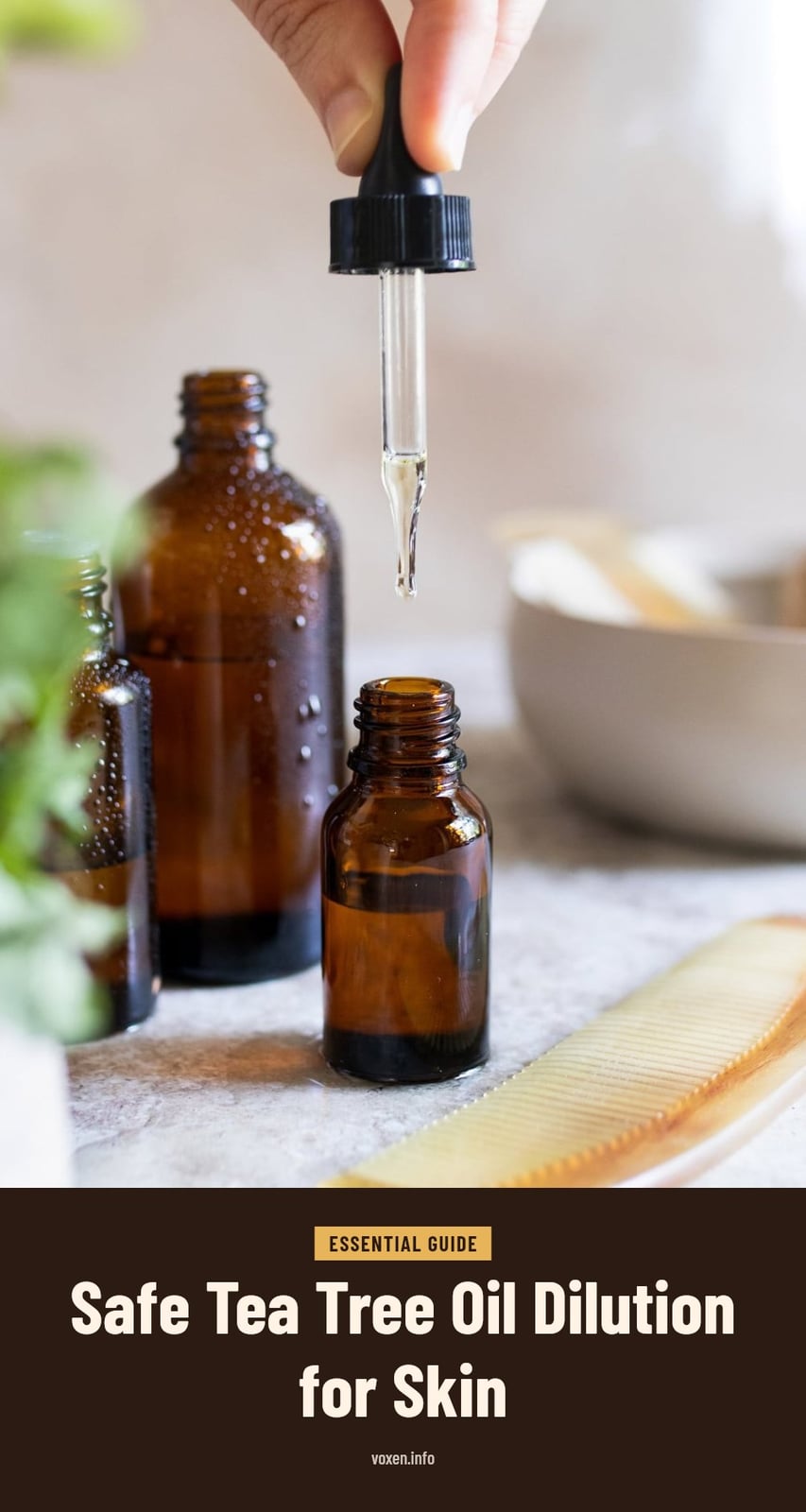
Tea tree oil is potent and must always be diluted with a carrier oil before touching your skin. Undiluted oil can cause redness, burning, and irritation. A safe starting point is 1-2 drops of tea tree oil per 12 drops of carrier oil, which gives you about a 5-10% concentration. Tip: Before using it on a larger area, do a patch test. Apply a small amount of the diluted mixture to your inner forearm and wait 24 hours to check for any reaction.
1. Choose Quality Tea Tree Oil
Start with a bottle labeled 100% pure Melaleuca alternifolia tea tree oil. That botanical name confirms you are getting the real plant extract, not a synthetic version. High-quality oil is more likely to deliver the antimicrobial benefits you want and less likely to contain fillers or additives that can irritate your skin. Check the ingredient list carefully; if the label says “fragrance oil” or omits the botanical name, put it back.
2. Select a Carrier Oil
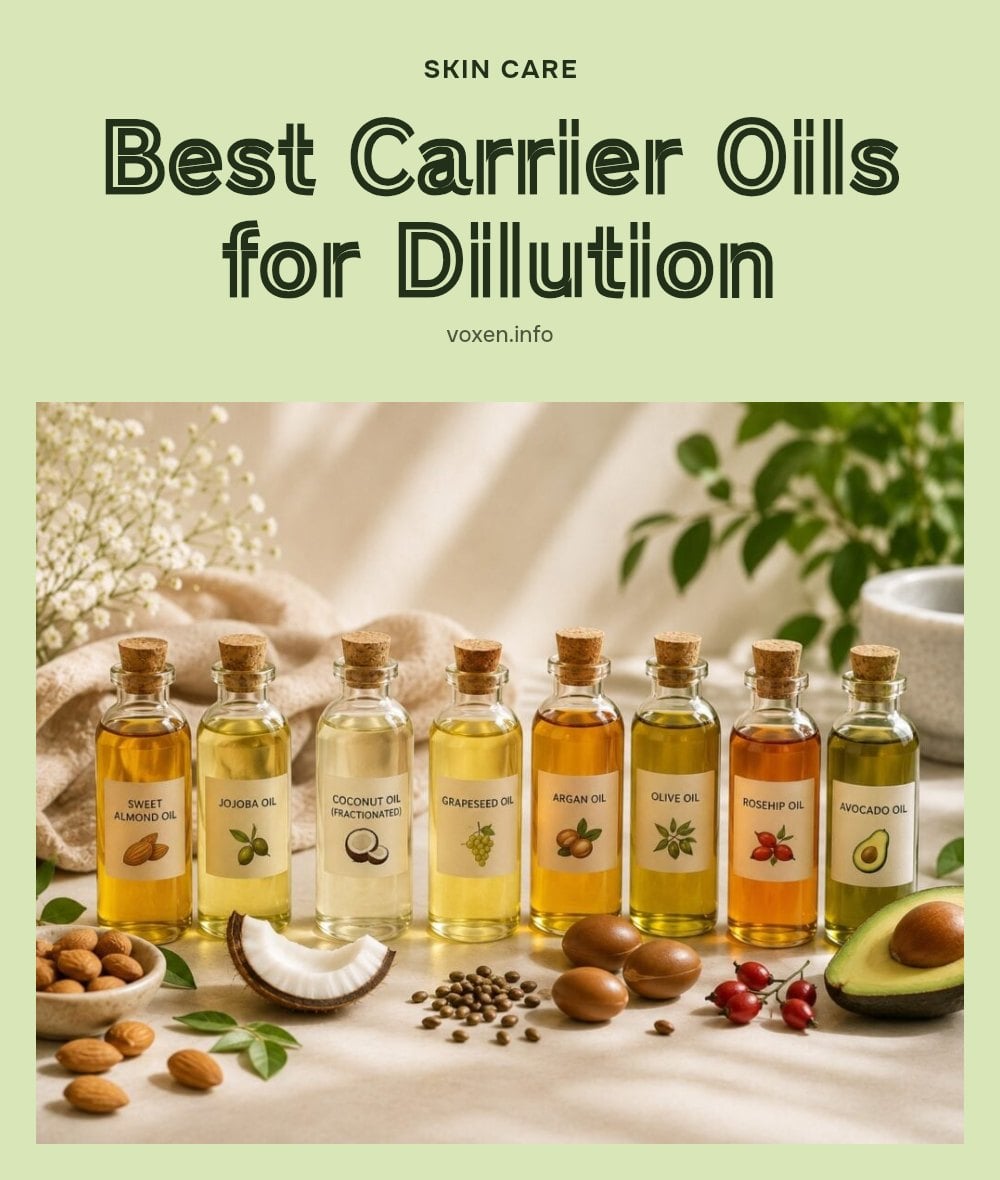
Carrier oils like jojoba, coconut, almond, olive, or grapeseed oil are the base that safely spreads tea tree oil and reduces its strength. Match the carrier to your skin type: jojoba works well for oily skin because it mimics your skin’s natural sebum, while coconut oil is very moisturizing and suits dry skin. Good to know: The carrier oil also helps the tea tree oil absorb more evenly, preventing hot spots that can cause irritation.
3. Master Dilution Ratios
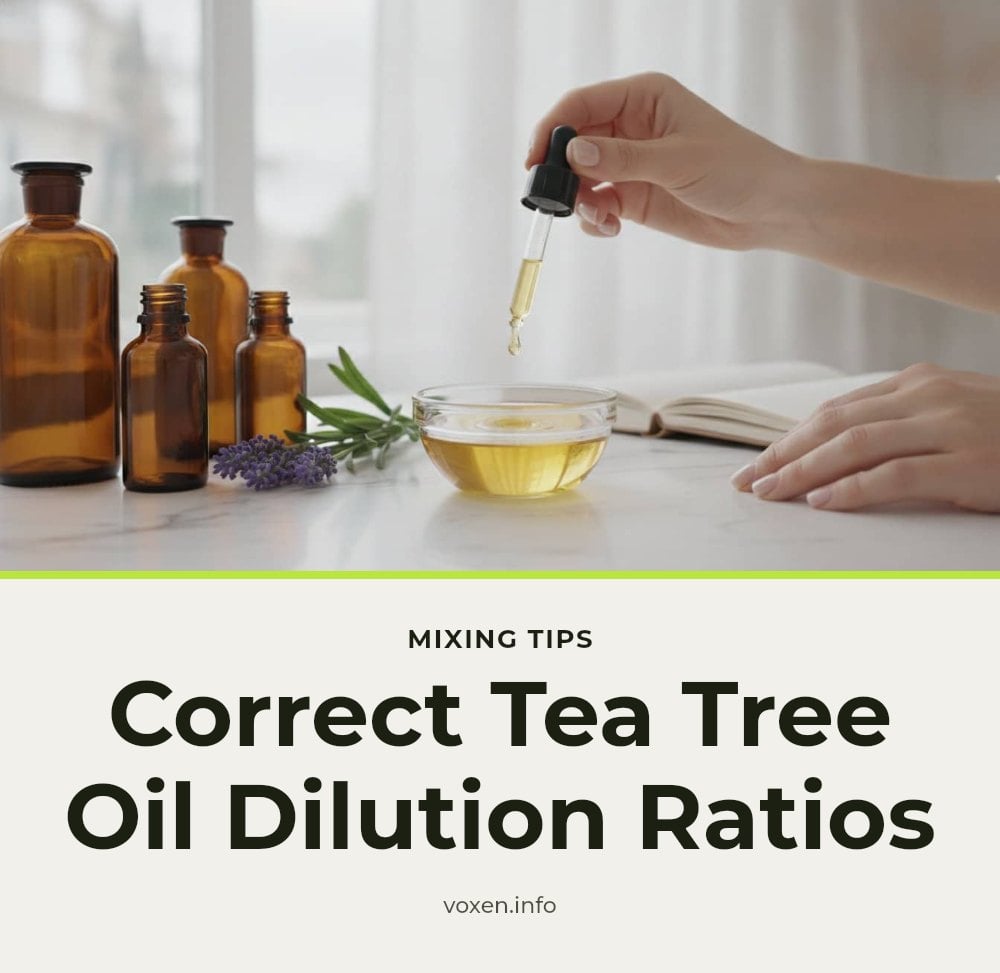
For general skin application, aim for a 5-10% concentration: mix 1-2 drops of tea tree oil with 12 drops of carrier oil. If you have sensitive skin, start lower at about 2.5%. That is 1 drop of tea tree oil per 24 drops of carrier oil. Caution: Measure carefully, especially for facial use where the skin is thinner. Using too much can lead to dryness or stinging, so stick to these ratios until you know how your skin responds.
4. Perform a Patch Test

Patch test first: Before you use diluted tea tree oil on a larger area, test it on a small, inconspicuous spot like your inner forearm. Apply a small amount of your diluted mixture and wait 24 hours. If you see redness, itching, or irritation, skip the oil or try a lower concentration. This step catches potential allergic reactions before they become a problem.
5. Spot Treat Blemishes
For mild to moderate acne, use diluted tea tree oil as a targeted spot treatment. Dip a clean cotton swab into your diluted mixture and dab it directly onto the blemish. Its antibacterial properties can help reduce inflammation and fight acne-causing bacteria. Tip: Stick to once-daily application to avoid overdrying the skin.
6. Soothe an Itchy Scalp
To help with dandruff or an itchy scalp, add a few drops of diluted tea tree oil to your regular shampoo or conditioner. Mix it well in your palm before massaging it into your scalp for 1-2 minutes, then rinse thoroughly. The antifungal properties may reduce flakiness and soothe irritation. Good to know: Start with 2-3 drops per dollop of shampoo to avoid overdoing it.
7. Store Oil Properly
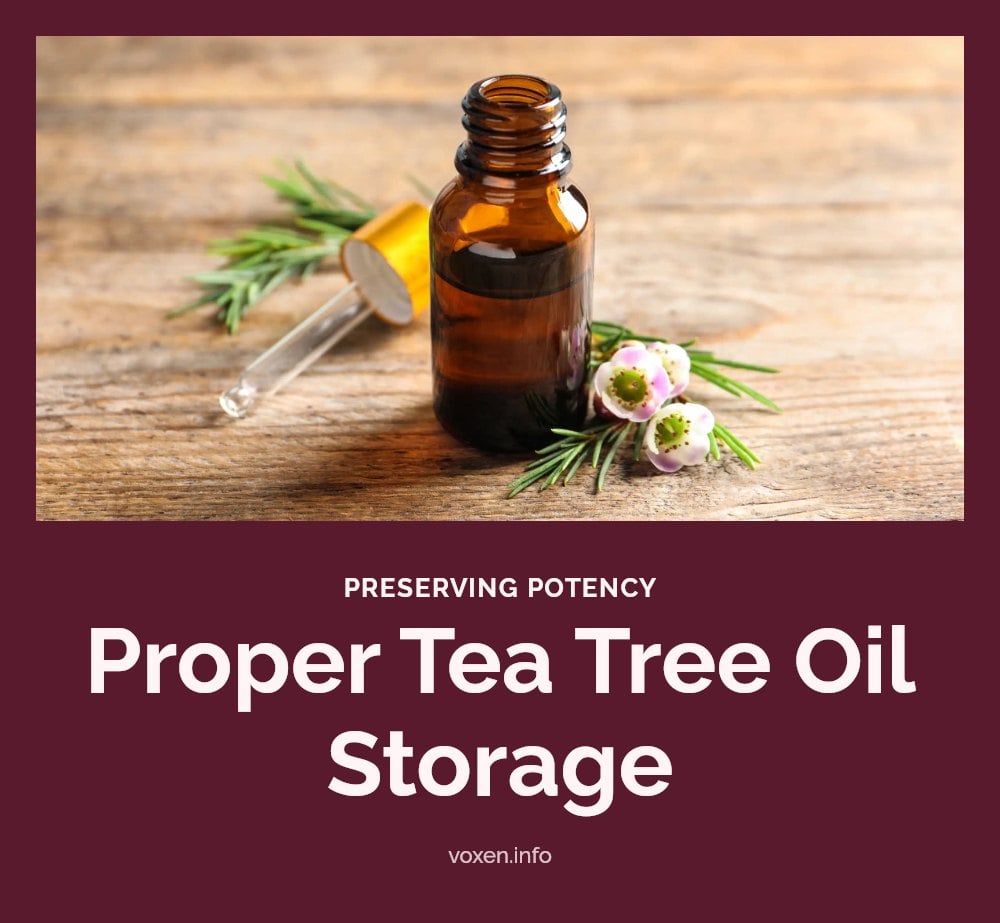
Store your tea tree essential oil in a cool, dark place, ideally in its original dark glass bottle with the cap tightly sealed. Exposure to air and light causes the oil to oxidize, which makes it more likely to irritate your skin. Proper storage keeps the oil potent and safe for longer, so you get the most out of every drop.
8. Use Clean Hands and Tools
Use Clean Hands and Tools: Always wash your hands and grab a fresh cotton swab or pad before mixing or applying tea tree oil. This keeps bacteria off your skin and out of your oil mixture. Hygiene is especially important when treating blemishes or a sensitive scalp.
9. Monitor for Skin Reactions
Monitor for Skin Reactions: After applying diluted tea tree oil, watch for any redness, burning, itching, or blistering. If you see these signs, stop using it right away and wash the area with soap and water. Persistent irritation may mean an allergic reaction or over-application, so see a doctor if it doesn’t improve.
10. Never Ingest Tea Tree Oil
Never Ingest Tea Tree Oil: Tea tree oil is toxic if swallowed and must never be taken by mouth. Ingestion can cause drowsiness, confusion, loss of muscle control, and even coma. Store the bottle out of reach of children and pets to prevent accidental ingestion.
11. Avoid Sensitive Areas
Avoid Sensitive Areas: Keep diluted tea tree oil away from your eyes, inside your nose, and other mucous membranes. If accidental contact happens, flush the area with clean water immediately. The oil’s potency can cause significant irritation to these delicate spots.
Common Tea Tree Oil Mistakes to Avoid
Applying undiluted tea tree oil directly to your skin is the most common mistake. The pure oil is highly concentrated and will almost certainly cause redness, burning, or blistering. Always dilute it with a carrier oil first.
Skipping a patch test is another frequent error. Without testing on a small area like your inner forearm for 24 hours, you risk a widespread allergic reaction. Ingesting the oil is dangerous: tea tree oil is toxic when swallowed and is for external use only.
Improper storage also causes problems. Leaving the bottle in direct sunlight or with the cap loose can oxidize the oil, making it more irritating to your skin. Using too much oil because you think more is better leads to irritation, so stick to the recommended dilution ratios. Finally, do not use tea tree oil as a primary treatment for serious skin conditions without consulting a healthcare professional.
Frequently Asked Questions
Can I use tea tree oil daily?
Yes, many people use diluted tea tree oil daily as part of their skincare routine. However, it’s important to monitor your skin for any signs of irritation. If you notice redness, burning, or itching, reduce the frequency or concentration, and consider consulting a dermatologist if irritation persists.
Is tea tree oil safe for all skin types?
Tea tree oil is not universally safe for all skin types. People with sensitive skin should use a lower concentration (around 2.5%) and always patch test first. Those with allergies to plants in the Myrtaceae family, such as eucalyptus or clove, may be more prone to allergic reactions. If you have a pre-existing skin condition, consult a healthcare professional before use.
What is the best carrier oil for tea tree oil?
The best carrier oil depends on your skin type. Jojoba oil is great for oily skin as it mimics your skin’s natural sebum, while coconut oil works well for dry skin. Almond, olive, and grapeseed oils are also good options. Choose one that suits your skin and is non-comedogenic if you are prone to breakouts.
How long does it take for tea tree oil to work on acne?
Results for acne may take several weeks of consistent, daily application to become noticeable. Tea tree oil has antibacterial properties that can help reduce inflammation and fight acne-causing bacteria, but it is not a quick fix. If you don’t see improvement after a few weeks, consider consulting a dermatologist for alternative treatments.
Can I put tea tree oil directly on a pimple?
No, you should never apply undiluted tea tree oil directly to a pimple. It must be diluted with a carrier oil first. For spot treatment, mix 1-2 drops of tea tree oil with 12 drops of carrier oil, dip a clean cotton swab into the mixture, and dab it onto the blemish. This reduces the risk of irritation while still delivering benefits.
Final Thoughts
My tip: start with a low concentration, especially if you have sensitive skin, and always patch test first. Expect to use it consistently for several weeks before you see noticeable results for skin conditions. If you experience severe irritation or your symptoms persist, stop use and consult a healthcare professional. With the right precautions, tea tree oil can be a safe and effective addition to your natural care routine.
This article is for general informational purposes only and is not a substitute for professional medical advice. Always consult a doctor or dermatologist before using tea tree oil, especially if you are pregnant, breastfeeding, have a medical condition, or are using it on broken skin. If you experience severe irritation or accidentally ingest the oil, seek medical attention immediately.

