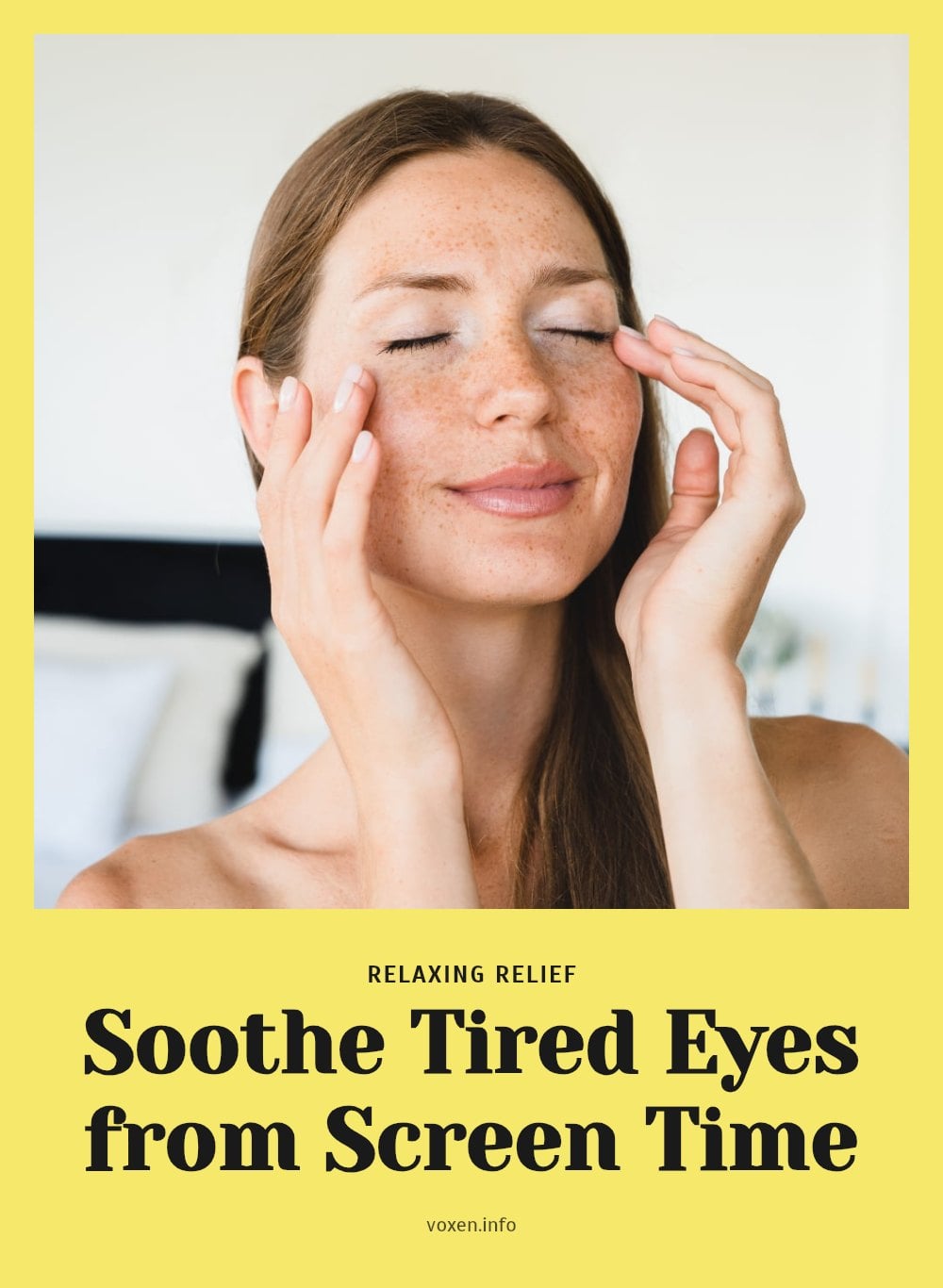
If your eyes feel dry, heavy, or blurry after a long day on your laptop or phone, you’re not alone. Tired eyes, also called eye strain, are a common reaction to overworking your eyes during intense screen use. The good news is that simple changes to your workspace and daily habits can bring quick relief and help prevent the discomfort from coming back. This article covers the causes of screen-related eye strain, immediate relief methods, and long-term strategies to keep your eyes comfortable.
Key Takeaways
- Follow the 20-20-20 rule: every 20 minutes, look 20 feet away for 20 seconds.
- Position your screen 20 to 28 inches from your eyes, with the top slightly below eye level.
- Use artificial tears for dryness, but avoid over-the-counter redness-reducing drops for long-term use.
- Blink often and take short breaks to keep your eyes lubricated and rested.
- See an eye care professional if pain, vision changes, or severe headaches persist.
What Are Tired Eyes and Why Do They Happen?
Tired eyes, also called eye strain, happen when you overwork your eyes during intense visual tasks like staring at a screen for hours. It’s not a disease. It’s a symptom of discomfort. You might feel soreness, dryness, blurred vision, or even a headache. The good news is that simple changes to your daily habits and workspace can make a real difference.
Understanding Why Your Eyes Get Tired From Screens
Why Screens Are Hard on Your Eyes
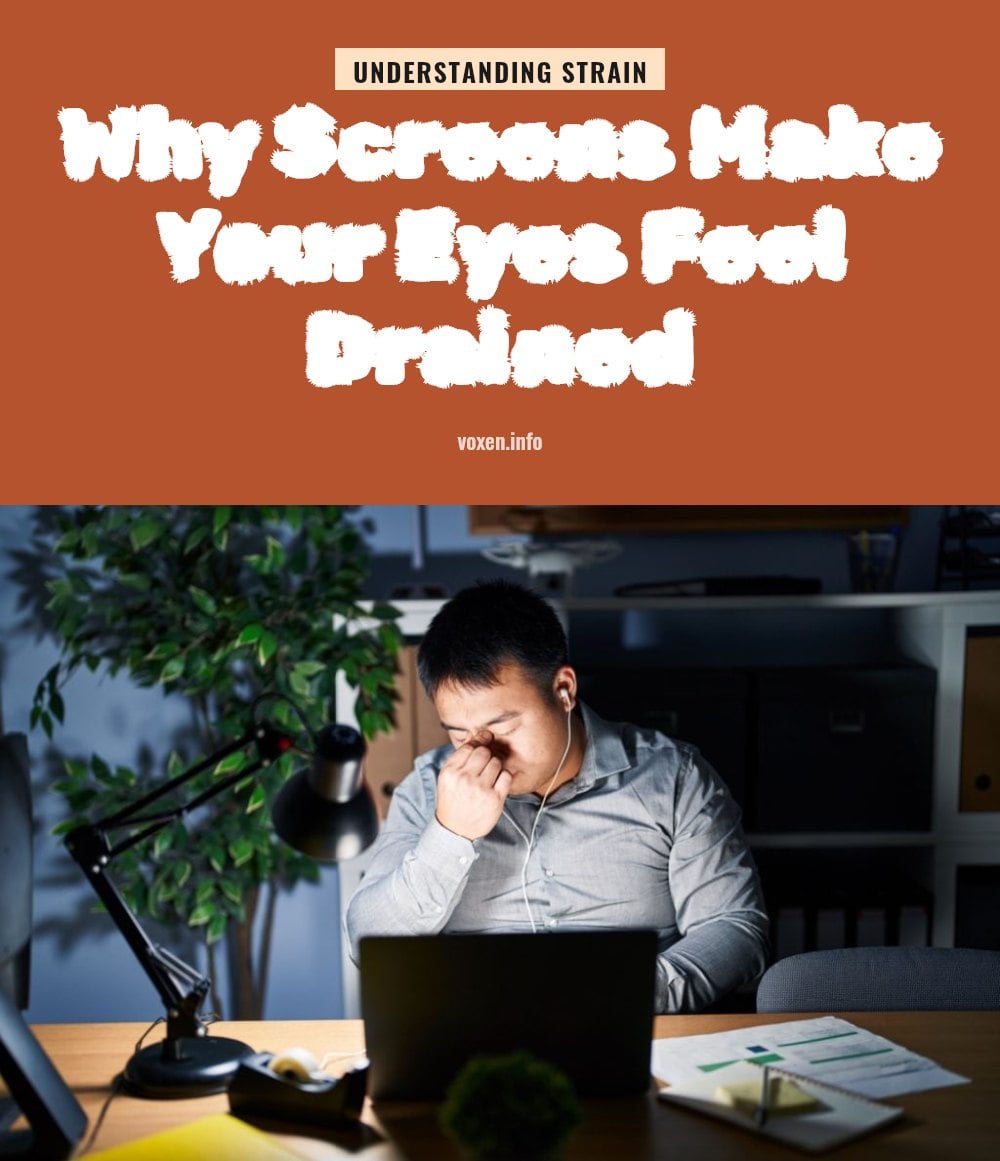
When you focus on a digital screen, you blink less often, about half as much as normal. Blinking spreads tears evenly over your eyes, so less blinking means drier, more irritated eyes. This is part of a condition called digital eye strain (DES), which affects many people who use computers, tablets, or phones for long periods.
Screen position matters too. If your monitor is too close or too high, your eyes have to work harder to focus. The ideal distance is 20 to 28 inches from your eyes, with the top of the screen slightly below eye level.
Lighting in your workspace also plays a role. Glare from windows or overhead lights forces your eyes to strain, while working in a completely dark room creates harsh contrast that tires them out faster.
Effective Methods to Relieve Tired Eyes Immediately
Immediate Relief Methods
When your eyes feel tired, you can get quick relief with a few simple actions.
Follow the 20-20-20 rule: Every 20 minutes, look away from your screen at an object about 20 feet away for at least 20 seconds. This gives your eye muscles a short break and helps reduce strain.
Use lubricating eye drops: Artificial tears can combat dryness by adding moisture. Keep a bottle at your desk and use them whenever your eyes feel scratchy or tired.
Apply a warm compress: Soak a clean cloth in warm water, wring it out, and place it over your closed eyes for a few minutes. The warmth soothes discomfort and stimulates natural tear production.
Adjust your screen settings: Match your screen brightness to the light in the room, not too bright, not too dim. Also check your screen distance (20-28 inches away) and height (top of screen at or slightly below eye level). These small tweaks can reduce the effort your eyes need to focus.
Essential Tools for Eye Comfort

Having the right tools on hand makes it easier to manage tired eyes. Here are the essentials:
- Artificial tears: Lubricating drops for dry eyes.
- Warm compress: A clean cloth with warm water to soothe and stimulate tears.
- Anti-glare screen filter: Reduces reflections that cause strain.
- Computer glasses: If recommended by an eye professional, they can reduce focusing effort.
- Ergonomic setup: An adjustable chair and monitor stand help you maintain proper posture and screen position.
Common Mistakes That Worsen Eye Strain
One of the biggest mistakes is ignoring early signs of eye strain. Waiting until discomfort becomes severe makes it harder to recover. Address tired eyes as soon as you notice them.
Using screens in a completely dark room creates high contrast that forces your eyes to work harder. Always keep a balanced light source on in the room. Excessive eye rubbing can irritate the eyes further. If your eyes feel dry, use lubricating drops instead of rubbing them.
Redness-reducing drops are not meant for long-term dry eye relief. Overusing them can actually worsen symptoms over time. Stick to artificial tears for regular use.
Many people worry that eye strain causes permanent vision damage. It typically does not, but persistent issues should still be checked by a professional.
Long-Term Strategies to Prevent Tired Eyes
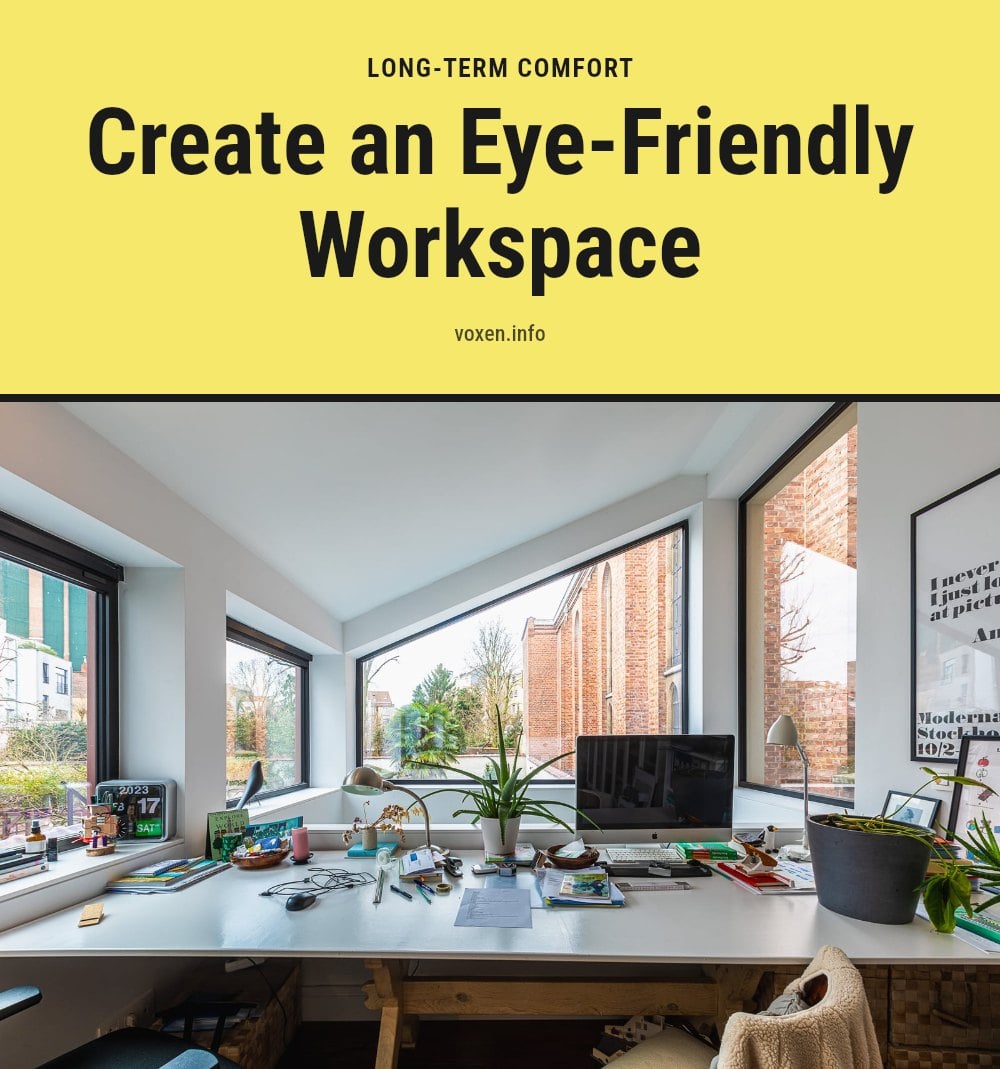
Preventing tired eyes starts with consistent habits. Here are the key strategies:
- Prioritize sleep: Your eyes need adequate rest to recover each night. Aim for 7 to 9 hours.
- Optimize workspace lighting: Avoid glare from windows or overhead lights. Use blinds and position your screen to reduce reflections.
- Take regular breaks: Follow the 20-20-20 rule: every 20 minutes, look away from your screen at an object 20 feet away for at least 20 seconds. Step away for a non-visual activity like stretching or walking.
- Stay hydrated: Drinking enough water supports overall eye health and tear production.
- Adjust screen settings: Set brightness to match your room, increase contrast for readability, and enlarge text size to reduce squinting.
When to Consult an Eye Care Professional
If eye strain continues even after you make changes, see an eye care professional. Also consult one if you have persistent pain, severe headaches, or notice sudden changes in your vision like blurriness or double vision. Do not self-diagnose serious eye conditions. A professional can rule out underlying issues and recommend the right treatment.
Frequently Asked Questions
How long does it take for tired eyes to recover?
Relief can come quickly once you step away from the screen and give your eyes a break. After a few minutes of rest or a warm compress, you may feel better. With consistent habits like the 20-20-20 rule and proper sleep, many people see lasting improvement within a few days.
Can tired eyes cause permanent damage?
Tired eyes themselves are not known to cause permanent vision damage. They are a symptom of overwork, not a disease. However, if you have persistent pain, vision changes, or severe headaches, it’s important to consult an eye care professional to rule out an underlying condition.
Are blue light glasses effective for eye strain?
The benefits of blue light glasses for eye strain are still debated among experts. While they may reduce some glare and improve comfort for some people, they are not a substitute for basic ergonomic habits like taking breaks and adjusting your screen brightness. If you’re considering them, talk to an eye care professional first.
What is the best eye drop for tired eyes?
The best eye drops for tired eyes are lubricating drops, often called artificial tears. Look for preservative-free options if you use them frequently. Avoid over-the-counter redness-reducing drops for long-term dryness because they can sometimes make symptoms worse. If you wear contacts, choose drops labeled safe for contact lenses.
Should I use an eye mask for tired eyes?
A warm compress or a heated eye mask can help soothe tired eyes and stimulate tear production. Many people find it relaxing before bed or after a long day of screen use. If you have any eye condition or infection, check with your eye care professional before using a mask.
Final Thoughts
My tip: start with the 20-20-20 rule and a quick workspace check. Adjust your screen brightness to match the room light and make sure you aren’t staring at a glare. With consistent practice, you should notice less discomfort within a few days. Remember, tired eyes are a sign to step back, not a reason to push through. A few small breaks each day can make a real difference.
This article provides general information about managing tired eyes and is not a substitute for professional medical advice. If you have persistent eye pain, changes in vision, or other concerning symptoms, please consult an eye care professional. Do not self-diagnose or treat serious eye conditions based on this content alone.

