You might be wondering if toner is still necessary in your skincare routine, or if it’s just an extra step you can skip. The truth is, a good toner can make a noticeable difference in how your skin looks and feels. This article explains what toner is, how to choose the right one for your skin type, and the correct way to apply it for the best results.

Key Takeaways
- Toner removes leftover dirt and oil after cleansing and helps balance your skin’s pH.
- Choose a toner based on your skin type: hydrating for dry, exfoliating for oily, soothing for sensitive.
- Apply toner by patting with clean hands or using a cotton pad, then follow with serums and moisturizer.
- Avoid toners with high alcohol content if you have dry or sensitive skin.
- Use toner once or twice daily, and patch test a new product before full use.
What is Toner and Why Your Skin Needs It
Toner is a liquid skincare product you apply right after cleansing and before serums or moisturizers. It sweeps away residual dirt, oil, and makeup your cleanser might miss, while helping to rebalance your skin’s pH after washing. This prep step allows your following products to absorb more effectively. Modern toners have moved beyond the harsh astringents of the past, which often relied on witch hazel and alcohol. Today, you can find hydrating, exfoliating, or soothing formulas tailored to your specific skin concerns.
Your Toner Toolkit: What You’ll Need
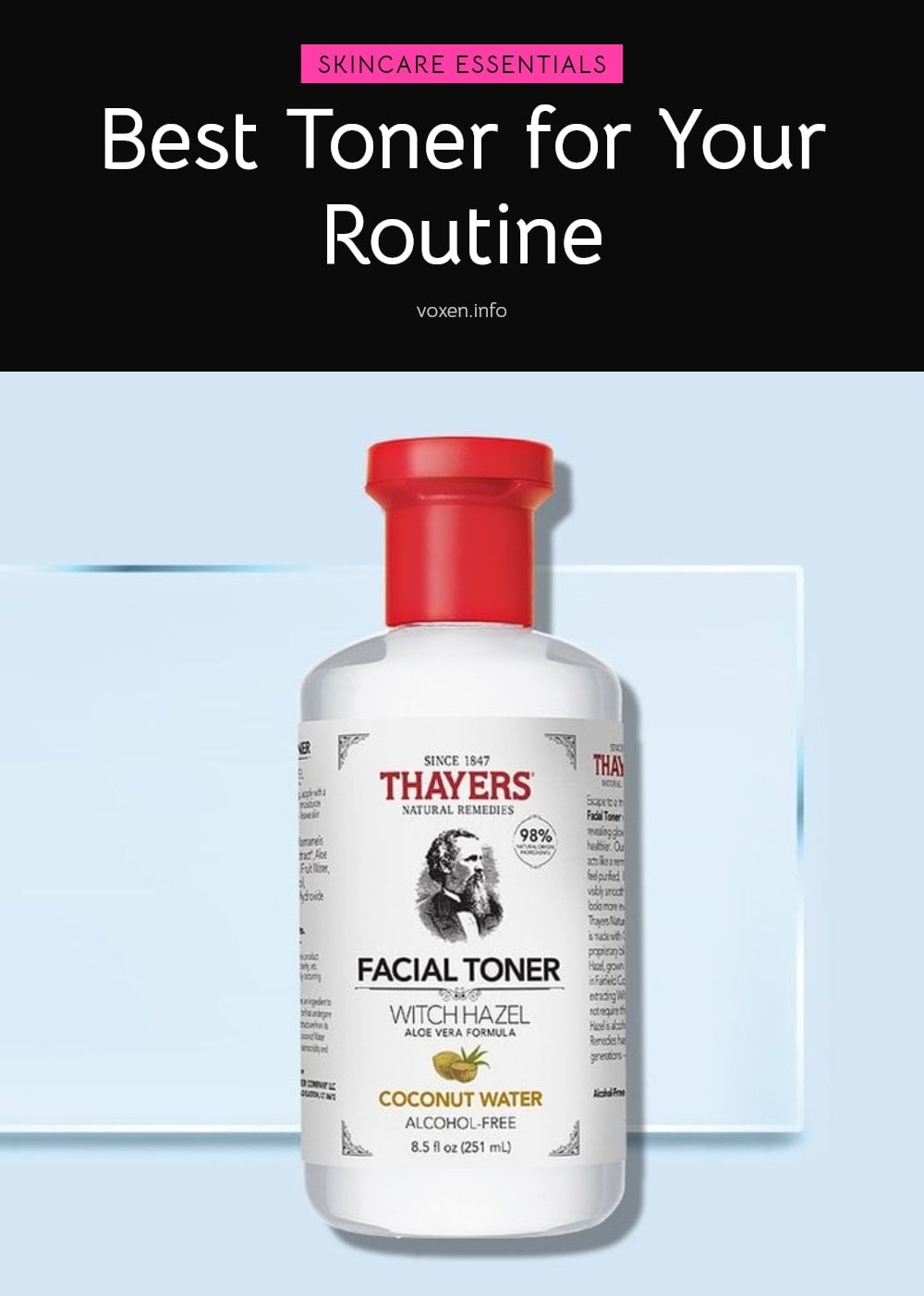
Before you start, gather these essentials:
- Facial cleanser: You need a clean base, so wash your face thoroughly first.
- Toner suited to your skin: Pick one that targets your concerns, whether that’s hydration, exfoliation, or soothing.
- Cotton pads (optional): You can apply toner with a pad or simply use clean hands. Pads help remove extra residue, while hands cut down on waste.
Choosing the Right Toner for Your Skin Type
Not all toners are the same. The right formula depends on your skin type and goals. Here’s a quick guide to the main types.
| Toner Type | Best For | Key Ingredients |
|---|---|---|
| Hydrating | Dry or dehydrated skin | Hyaluronic acid, glycerin |
| Exfoliating | Oily, acne-prone, or dull skin | AHAs (like glycolic acid), BHAs (like salicylic acid) |
| Soothing | Sensitive or irritated skin | Chamomile, rose water, niacinamide |
If you have combination skin, you might alternate between a hydrating toner on dry areas and an exfoliating one on your T-zone. Always read the label to match the toner to your current concerns.
Step-by-Step: How to Apply Toner Like a Pro

Applying toner correctly makes a real difference in how your skin responds. Follow these steps every time.
- Cleanse your face: Wash with a gentle facial cleanser to remove makeup, sunscreen, and surface grime. Pat your skin dry with a clean towel.
- Apply the toner: Pour a small amount onto a cotton pad or into your palms. If using a pad, gently sweep it across your face and neck. If using hands, press the liquid onto your skin with light, patting motions.
- Pat it in: Use your fingertips to gently pat the toner into your skin until it feels absorbed. This helps the product penetrate without tugging or stretching delicate tissue.
- Lock it in: While your skin is still slightly damp, apply your serum and moisturizer. The dampness helps these products spread and absorb more effectively, sealing in the toner’s benefits.
Use toner once or twice daily, right after cleansing. If you’re using an exfoliating toner with AHAs or BHAs, it’s often best to use it only once a day, preferably at night, to avoid sun sensitivity. Always follow with sunscreen in the morning.
Common Toner Mistakes and How to Avoid Them
Even with the best toner, a few common mistakes can sabotage your results. First, check the ingredient list: toners with high alcohol content can strip your skin and cause irritation, especially if you have dry or sensitive skin. When applying, don’t rub your skin aggressively with a cotton pad. A gentle sweep or patting motion is enough to avoid redness and micro-tears. After toner, never skip moisturizer. Toner preps your skin, but it doesn’t lock in hydration. And remember, toner is not a substitute for cleansing. It’s a secondary step that works on a clean face, so always wash first.
Top Tips for Maximizing Your Toner’s Benefits
To get the most out of your toner, a few smart habits go a long way. Always patch test a new toner on a small area of skin, especially if you have sensitive skin, and wait 24 hours to check for a reaction. Read ingredient lists carefully to avoid known irritants for your skin type. If you’re using an exfoliating toner with AHAs or BHAs, introduce it gradually. Start with every other day to let your skin adjust. My tip: because exfoliating acids increase sun sensitivity, apply sunscreen every morning as part of your routine. This protects your skin regardless of whether you use the toner in the morning or at night.
When to Use Toner and What to Expect
Toner is typically used once or twice daily, right after cleansing and before serums or moisturizers. Most people apply it in the morning and evening. With consistent use, you may notice improvements in hydration or a clearer complexion within a few days to a few weeks. Results depend on your skin type and the toner’s formula, so be patient and stick with your routine.
When to Consult a Dermatologist About Your Toner Use
If your skin reacts negatively to a toner, stop using it immediately. Signs to watch for include excessive redness, burning, stinging, or peeling that doesn’t subside. If irritation persists or worsens after a few days, consult a dermatologist. You should also seek professional advice if you have severe acne or persistent skin concerns that don’t improve with your current routine.
Frequently Asked Questions
Can I skip toner in my skincare routine?
Yes, you can skip toner, but it serves a helpful purpose. It removes any leftover impurities your cleanser might miss and helps your skin absorb serums and moisturizers better. If you have a simple routine and your skin feels clean and balanced after cleansing, you might not need it.
How often should I use toner?
Most people use toner twice daily, in the morning and evening, right after cleansing. If you have sensitive skin or are using an exfoliating toner, start with once a day to see how your skin reacts. You can adjust based on your skin’s needs.
Do I need a different toner for morning and night?
Not necessarily. Many people use the same toner for both routines. However, if you use an exfoliating toner with AHAs or BHAs, it’s often best to use it only at night because it can make your skin more sensitive to the sun. A hydrating toner works well for both times.
What is the difference between toner and essence?
Toners and essences are both liquid products applied after cleansing, but they have slightly different roles. Toners focus on removing leftover impurities and balancing pH, while essences are designed to hydrate and deliver active ingredients deeper into the skin. Some modern products blur the line between the two.
What does toner do for your face?
Toner helps remove any residual dirt, oil, or makeup that your cleanser may have missed. It also helps rebalance your skin’s pH after washing, which can get disrupted by cleansers. This prep step allows your serums and moisturizers to absorb more effectively, improving their overall performance.
Final Thoughts
If you want a simple way to boost your skincare routine, adding a toner tailored to your skin type is a smart move. With consistent use, you can expect to see improvements in hydration or a clearer complexion within a few days to a few weeks. Stick with it, and your skin will thank you.
This article is for general informational purposes only and does not constitute medical or professional skincare advice. Individual skin reactions vary. If you have a persistent skin concern or experience irritation, please consult a dermatologist or licensed skincare professional.

