You feel that familiar hot spot, and you know a blister is on its way. Whether it’s from new shoes or a long walk, a blister can be a real pain. This article covers how to treat a blister for quick relief and how to prevent them from forming in the first place.
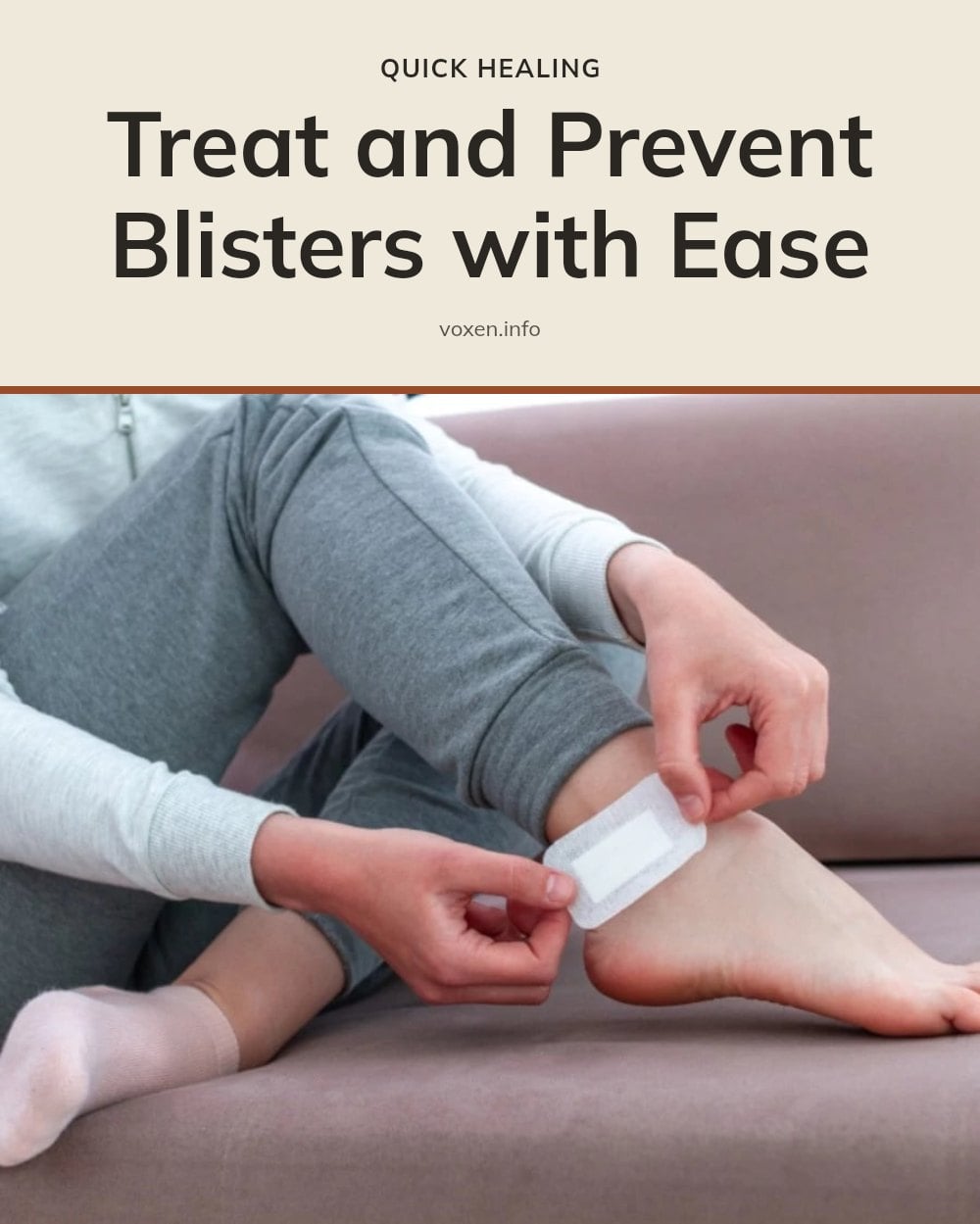
Key Takeaways
- Leave small, unbroken blisters alone to reduce infection risk and speed healing.
- Drain a large or painful blister only with a sterilized needle, and keep the skin flap intact.
- Wear moisture-wicking socks and properly fitting shoes to prevent friction blisters.
- Apply antibiotic ointment and a sterile bandage after draining a blister.
- See a doctor if you have signs of infection or if you have diabetes or poor circulation.
Immediate Relief: What to Do First for a Blister
When you first notice a blister, the best move is to leave it alone if it’s small and unbroken. The intact skin is your body’s natural barrier against infection, and the fluid inside cushions the healing tissue underneath. For protection, cover it with a loose bandage or a piece of moleskin to reduce friction. If the blister is large, painful, or in a spot where it’s likely to burst on its own, you may carefully drain it. Sterilize a needle with rubbing alcohol, make a small puncture near the edge, and gently press out the fluid. Leave the skin flap in place. It acts as a protective cover while the skin heals.
Why Blisters Form and What Causes Them
Blisters are small pockets of fluid that form within the upper layers of the skin. The most common cause is friction, often from ill-fitting shoes or repetitive rubbing during activities like walking or running.
Other common causes include
- Burns from heat, sun, or chemicals
- Frostbite
- Allergic reactions to products or materials
- Insect bites
- Certain medical conditions that affect the skin
The fluid inside a blister, usually clear serum, serves as a natural cushion. It protects the underlying skin from further damage and creates a moist environment that supports healing.
Essential Supplies for Blister Care
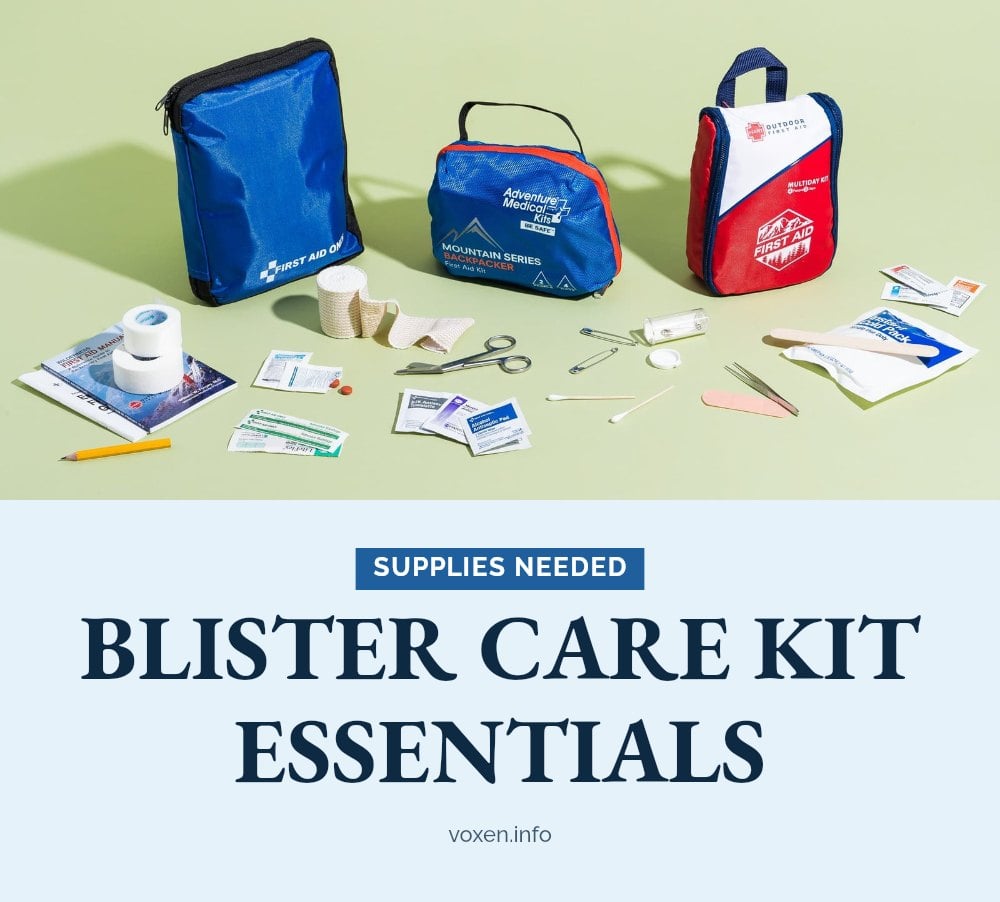
Having the right supplies on hand makes blister care easier and safer. Here’s what you’ll need for treating both intact and drained blisters.
- Rubbing alcohol for sterilizing tools
- Sterile needle for carefully draining large blisters
- Antibiotic ointment to apply after draining
- Sterile bandages or gauze for covering treated blisters
- Moleskin or blister bandages for cushioning and friction protection
Step-by-Step Guide to Treating a Blister
Follow these steps to treat a blister properly, whether you leave it intact or need to drain it.
- Assess the blister: Determine if it’s small and unbroken or large and painful. Small, intact blisters are best left alone.
- Clean the area: Wash your hands thoroughly with soap and water, then gently clean the blister and the skin around it.
- Protect intact blisters: Cover the blister with a loose bandage or a piece of moleskin to reduce friction and prevent tearing.
- Sterilize tools if draining: If the blister is large or painful, soak a needle in rubbing alcohol for at least 30 seconds. You can also heat it with a flame until red-hot, then let it cool completely.
- Carefully drain large blisters: Make a small puncture near the edge of the blister. Gently press out the fluid using a clean cloth or gauze. Do not remove the skin flap.
- Apply antibiotic ointment: After draining, spread a thin layer of antibiotic ointment over the skin flap and the surrounding area.
- Cover with a sterile dressing: Secure a sterile bandage or gauze over the blister with medical tape. Change the dressing daily or if it becomes wet or dirty.
Common Blister Care Mistakes to Avoid
Popping every blister: Small, unbroken blisters are best left alone. The fluid inside acts as a natural cushion and protects the healing skin underneath. Popping them increases the risk of infection and slows healing.
Peeling off the skin flap: After a blister drains or bursts, keep the skin flap in place. It serves as a protective barrier while new skin forms underneath. Removing it exposes raw skin to bacteria.
Using unsterilized tools: This significantly increases the risk of introducing bacteria into the blister. Always sterilize any needle with rubbing alcohol before draining.
Ignoring signs of infection: Redness, swelling, pus, or fever require medical attention. Do not treat an infected blister at home.
Wearing ill-fitting footwear: This continues to cause friction and worsen existing blisters. Switch to well-fitting shoes until the blister heals.
How to Prevent Blisters from Forming
Wear moisture-wicking socks: These reduce friction and keep feet dry, which prevents blisters from forming during activity. Cotton socks trap moisture and increase rubbing.
Ensure shoes fit properly: Shoes should allow enough room without rubbing at the heel or toes. Tight shoes create pressure points that cause blisters.
Break in new shoes gradually: Wear them for short periods at home before taking them on long walks or runs. This lets your feet adapt without getting blisters.
Apply petroleum jelly or anti-chafing balm: Rub a small amount onto high-friction areas like the back of your heels or between toes. This reduces friction during activity.
Use protective coverings: Place moleskin or blister bandages on known trouble spots before you start walking or exercising. This prevents friction before it causes a blister.
Wear gloves for hand activities: Gardening, weightlifting, or rowing can cause hand blisters. Gloves protect your palms from repetitive rubbing.
When to Seek Professional Medical Help for Blisters
If a blister shows signs of infection like increasing redness, swelling, pus, or fever, see a doctor right away. Do not treat an infected blister at home.
If you have diabetes, poor circulation, or a compromised immune system, consult a doctor before any home treatment. These conditions increase infection risk.
Do not drain blood blisters unless advised by a medical professional. They carry a higher risk of infection.
If a blister is caused by a severe burn, chemical exposure, or a serious allergic reaction, seek immediate medical care.
Frequently Asked Questions
Should I pop a blood blister?
No, you should not drain a blood blister unless a medical professional advises it. Blood blisters carry a higher risk of infection, and the blood inside is part of the healing process. If a blood blister is large or painful, see a doctor for guidance.
How long does it take for a blister to heal?
Most small, unbroken blisters heal on their own within 3 to 7 days if left undisturbed. A drained blister may take a little longer to fully heal, depending on its size and how well you care for it. Keeping it clean and covered helps speed recovery.
Can I put Neosporin on a blister?
Yes, you can apply an antibiotic ointment like Neosporin to a blister after it has been drained. This helps prevent infection and keeps the area moist for healing. For an unbroken blister, an antibiotic ointment is not necessary; just keep it clean and covered.
What is the best way to prevent blisters on my feet?
The best prevention is to reduce friction. Wear moisture-wicking socks that keep your feet dry, and make sure your shoes fit properly without rubbing. You can also apply petroleum jelly or an anti-chafing balm to high-friction areas before activity. Break in new shoes gradually.
When should I be concerned about a blister?
Be concerned if a blister shows signs of infection, such as increasing redness, swelling, pus, or if you develop a fever. Also seek medical attention if you have diabetes, poor circulation, or a compromised immune system. A blister from a severe burn, chemical exposure, or allergic reaction also needs immediate care.
Final Thoughts
For most blisters, the simplest approach is best: leave it alone and protect it with a bandage. If you do need to drain one, take the time to sterilize everything properly. Expect small blisters to heal in 3 to 7 days, while drained ones may take a bit longer. With the right care and prevention habits, you can keep blisters from slowing you down.
This information is for general informational purposes only and is not a substitute for professional medical advice. If you have a persistent or serious skin condition, or if you have diabetes or other health concerns, consult a doctor or dermatologist.

