If you’ve noticed small dark dots on your legs that look like strawberry seeds, you’re not alone. This common condition, often called strawberry legs, is usually harmless and can be managed with a consistent at-home skincare routine. In this article, I’ll walk you through the causes, effective treatments, and prevention tips to help you get smoother-looking legs.

Key Takeaways
- Exfoliate your legs 2-3 times per week with a gentle scrub or chemical exfoliant.
- Moisturize daily, especially after showering, with a cream containing ceramides or hyaluronic acid.
- Shave with a sharp razor every 5-7 shaves and always use shaving cream.
- Replace your razor regularly and shave in the direction of hair growth to reduce irritation.
- See a dermatologist if you experience pain, redness, swelling, or pus.
What Are Strawberry Legs and How to Treat Them?
Strawberry legs are the small dark spots on your legs that look like strawberry seeds. They happen when pores or hair follicles get clogged with dead skin cells, oil, or bacteria. The condition is usually harmless and responds well to a consistent at-home routine. The goal is to gently remove dead skin cells through exfoliation and keep the skin hydrated with moisturizer, which helps prevent future clogs and gives you smoother-looking skin.
Why You Get Those Dark Spots on Your Legs

Clogged Pores and Open Comedones
One common cause is clogged pores, also called open comedones. When oil, bacteria, and dead skin cells get trapped and oxidize in the air, they turn dark and become visible as spots.
Keratosis Pilaris
Another cause is keratosis pilaris, where excess keratin builds up around hair follicles, creating small, rough bumps that contribute to the strawberry-like appearance.
Folliculitis
Folliculitis, an inflammation of the hair follicles often triggered by shaving, can also look like strawberry legs. Dry skin and improper shaving techniques, like using a dull razor or skipping lubrication, can worsen the condition.
Your Skincare Arsenal for Smoother Legs
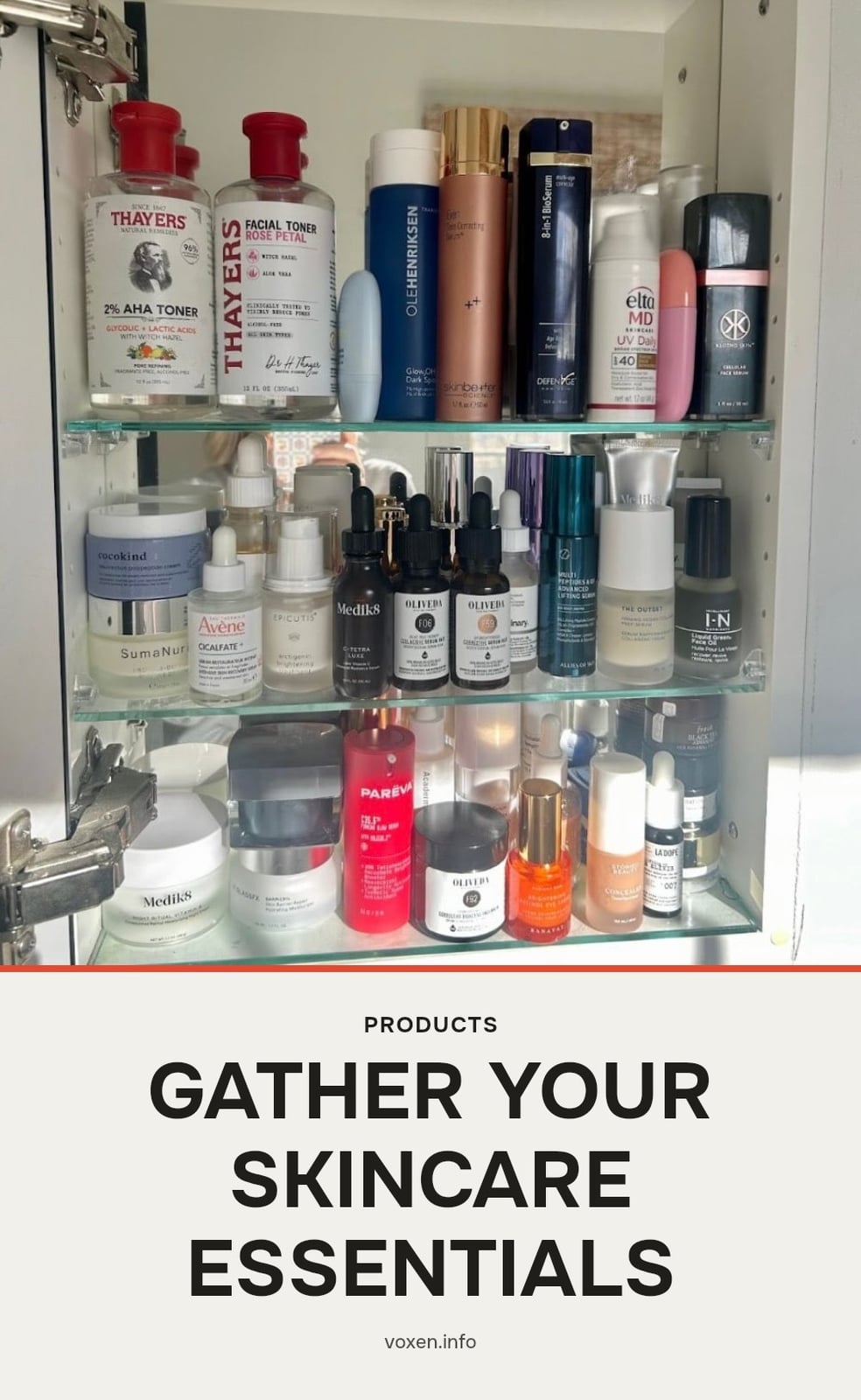
To treat strawberry legs at home, you need a few key tools and products:
- Gentle body scrub or exfoliating mitt to manually remove dead skin cells.
- Body wash with salicylic acid or lactic acid for chemical exfoliation.
- Moisturizer containing ceramides or hyaluronic acid to hydrate and support the skin barrier.
- Sharp, clean razor and generous shaving cream or gel for proper shaving technique.
- Optional: Dry brush for gentle physical exfoliation before showering.
Effective At-Home Methods to Treat Strawberry Legs
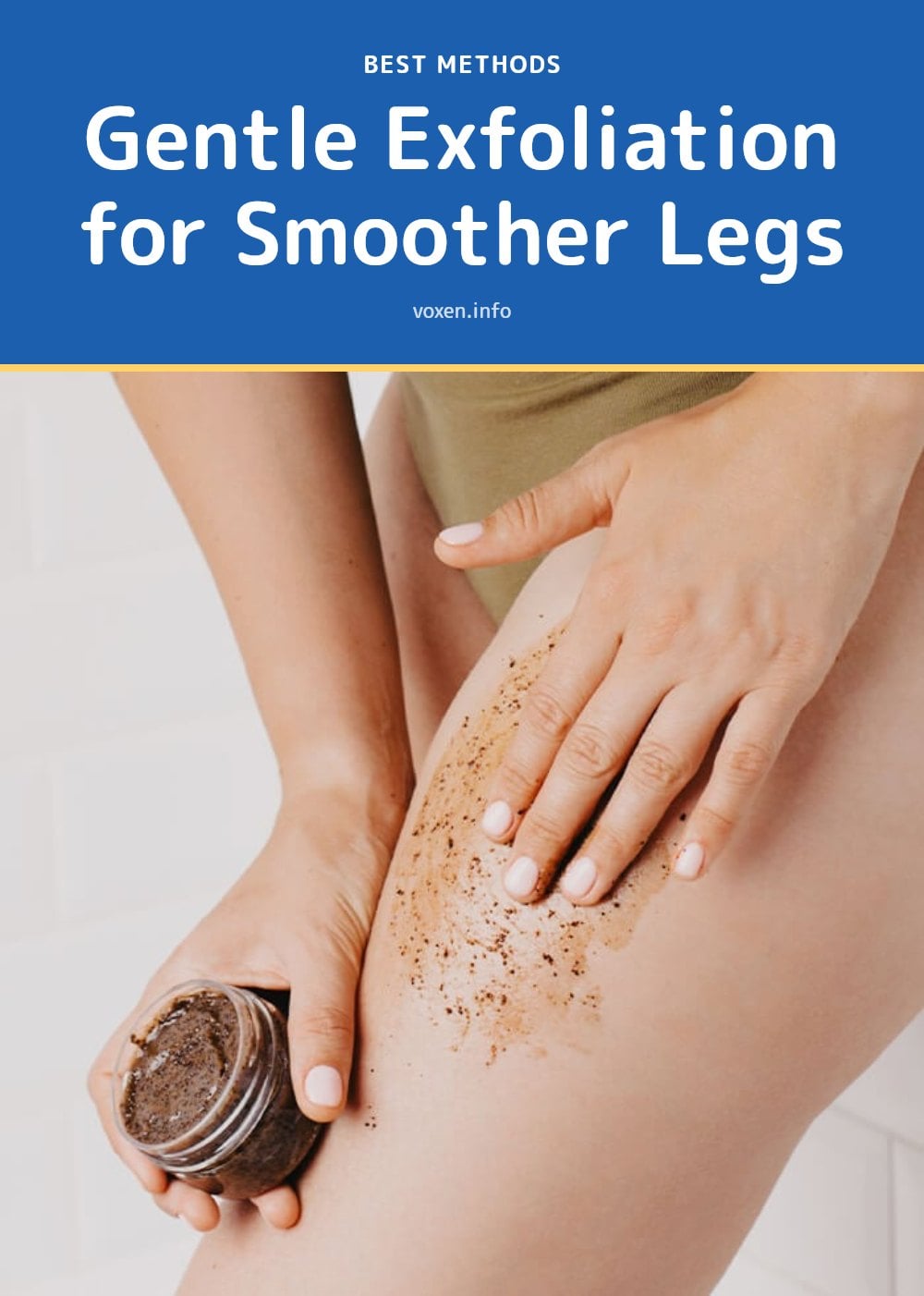
Exfoliate Regularly
Exfoliate your legs 2-3 times per week using a gentle physical scrub or a chemical exfoliant like an AHA (alpha hydroxy acid) or BHA (beta hydroxy acid). This helps remove dead skin cells and unclog pores. My tip: Start with a lower concentration of chemical exfoliant to see how your skin reacts.
Moisturize Daily
After every shower, apply a rich moisturizer with ingredients like ceramides or hyaluronic acid. Keeping your skin hydrated improves its barrier function and makes pores less noticeable. My tip: Apply moisturizer while your skin is still slightly damp to lock in more moisture.
Shave Properly
Always use a sharp, clean razor and a generous layer of shaving cream or gel. Shave in the direction of hair growth to minimize irritation and ingrown hairs. Replace your razor blade every 5-7 shaves. Tip: Use lukewarm water for showers instead of hot water to prevent drying out your skin.
Common Mistakes When Treating Strawberry Legs
Aggressively scrubbing the skin can worsen irritation and damage your skin barrier. My tip: always be gentle, especially when using chemical exfoliants like AHAs or BHAs.
Using a dull razor repeatedly tugs at hair and irritates follicles, making strawberry legs worse. My tip: replace your razor blade every 5-7 shaves.
Not moisturizing regularly after exfoliation leaves your skin dry and pores more visible. My tip: moisturize immediately after showering and exfoliating.
Expecting immediate results from at-home treatments leads to frustration. Skincare takes time and consistency. My tip: stick with your routine for a few weeks to see noticeable improvement.
How to Prevent Strawberry Legs from Returning

Maintain a consistent skincare routine with regular, gentle exfoliation and daily moisturizing to keep pores clear and skin hydrated.
Always use a sharp razor and shaving cream, and shave in the direction of hair growth to minimize irritation and ingrown hairs.
Consider alternative hair removal methods like waxing or epilation if shaving consistently causes issues for you.
Keep your skin hydrated by drinking plenty of water and using a humidifier in dry environments. Avoid harsh soaps or body washes that strip your skin’s natural oils.
Timeline for Results and What to Expect
With a consistent at-home routine, you can expect to see improvement in the appearance of strawberry legs within a few weeks to a couple of months. Ongoing maintenance is often required to keep the condition at bay.
The cost of treating strawberry legs at home is generally low, involving affordable body scrubs, moisturizers, and razors. More specialized products with AHAs or BHAs might be a slightly higher investment but are still budget-friendly compared to professional treatments.
When to See a Dermatologist
If you experience pain, redness, swelling, or pus, discontinue at-home treatments and consult a dermatologist, as this could indicate an infection like folliculitis.
If your strawberry legs don’t improve after consistent at-home care, a dermatologist can offer stronger treatments or different diagnoses. For persistent or worsening irritation, or if you suspect another underlying skin condition, professional advice is always best.
Frequently Asked Questions
How long does it take to get rid of strawberry legs?
With a consistent at-home routine, you can expect to see improvement in the appearance of strawberry legs within a few weeks to a couple of months. Ongoing maintenance is often required to keep the condition from returning.
Can shaving cause strawberry legs?
Yes, shaving can contribute to strawberry legs, especially if you use a dull razor or shave without proper lubrication. This can irritate hair follicles and lead to ingrown hairs, making the dark spots more noticeable. Shaving in the direction of hair growth with a sharp razor can help minimize this.
Are strawberry legs a sign of poor hygiene?
No, strawberry legs are not a sign of poor hygiene. They are typically caused by clogged pores, keratosis pilaris, or folliculitis, which are common skin conditions unrelated to cleanliness. You can have excellent hygiene and still experience strawberry legs.
What ingredients are best for strawberry legs?
Ingredients like salicylic acid (a BHA) and lactic acid (an AHA) are effective for exfoliating and unclogging pores. Look for body washes or lotions containing these, as well as moisturizers with ceramides or hyaluronic acid to keep skin hydrated.
Does dry brushing help strawberry legs?
Dry brushing can help by gently exfoliating the skin and improving circulation, which may reduce the appearance of strawberry legs for some people. However, it should be done gently and not on broken or irritated skin to avoid worsening the condition.
Final Thoughts
For most people, a consistent routine of gentle exfoliation and daily moisturizing can make a real difference. Expect to see improvement within a few weeks to a couple of months, but remember that ongoing maintenance is key to keeping strawberry legs at bay. My tip: start with a mild exfoliant and build up slowly to avoid irritating your skin.
This article is for informational purposes only and is not a substitute for professional medical advice. If you have persistent, painful, or concerning symptoms, please consult a dermatologist or healthcare provider for a proper diagnosis and treatment plan.

