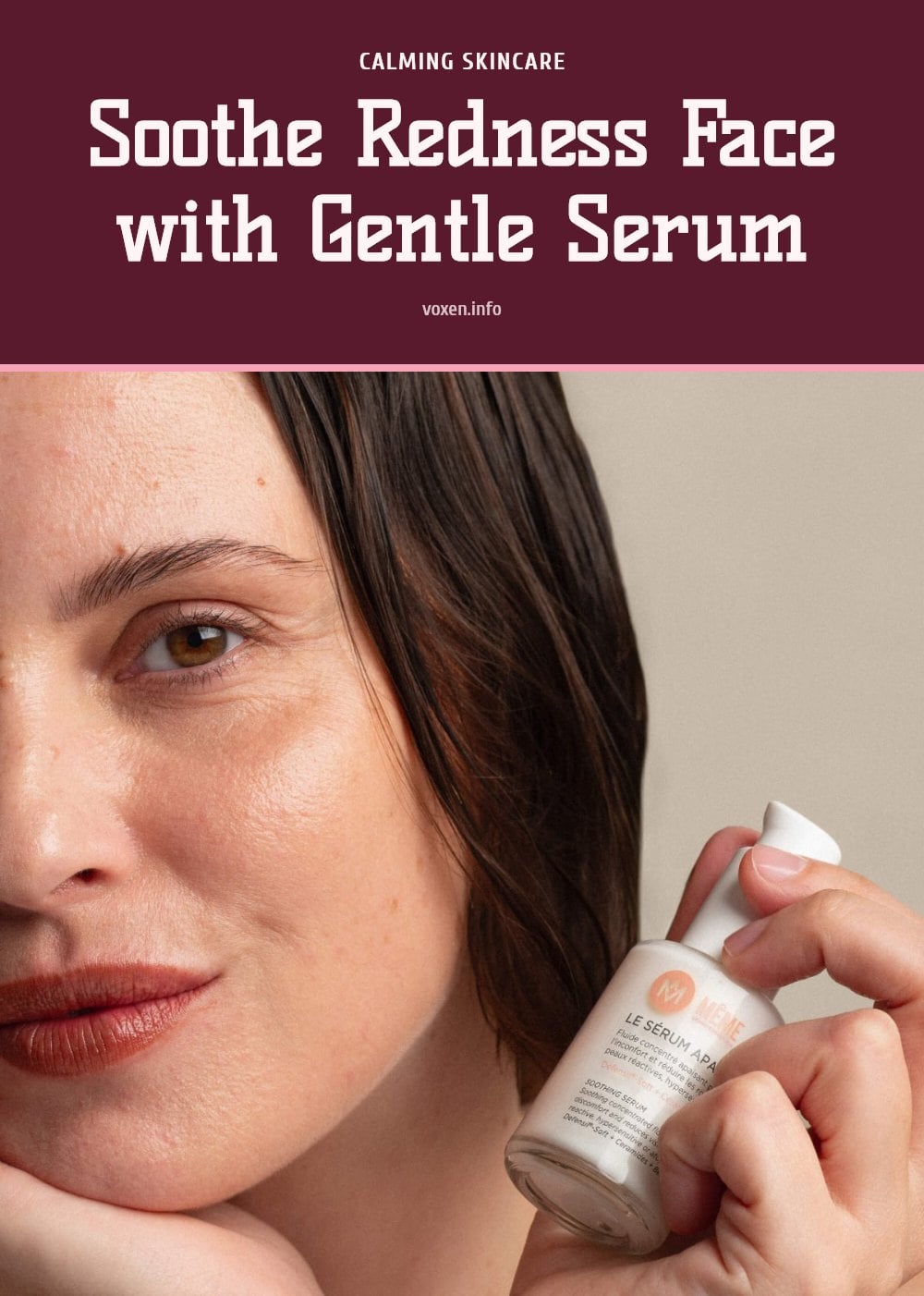
If you’ve ever looked in the mirror and wondered why your face is red, you’re not alone. Facial redness can be frustrating, but understanding what’s behind it is the first step to calming your skin. This article covers the most common triggers for redness and shares a gentle, effective routine to help soothe and protect your complexion.
Key Takeaways
- Identify your personal triggers, such as weather, foods, or products, to better manage redness.
- Use a gentle, fragrance-free cleanser and moisturizer twice daily to support your skin barrier.
- Apply a broad-spectrum sunscreen with SPF 30 or higher every morning, even on cloudy days.
- Incorporate soothing ingredients like niacinamide or centella asiatica (cica) into your routine.
- Consult a dermatologist if redness persists or worsens after a few weeks of gentle care.
Why Your Face Might Be Red
Facial redness can come from many places: an underlying condition like rosacea, a reaction to the weather, an allergy, or simply a product that didn’t agree with your skin. The key is figuring out what sets your skin off. Once you know your triggers, a gentle, consistent routine built around soothing and protecting your skin can make a real difference.
Common Reasons for Facial Redness
Rosacea and Other Skin Conditions
Rosacea is a chronic inflammatory condition that often shows up as persistent redness, visible blood vessels, and sometimes bumps that can be mistaken for acne. Allergic reactions, eczema, and contact dermatitis are other common culprits that cause facial redness.
Environmental and Lifestyle Triggers
Sun exposure, wind, and extreme temperatures (both hot and cold) can all make redness worse. For many people with rosacea, certain foods and drinks like spicy dishes, hot coffee or tea, and alcohol can trigger a flare-up.
Skincare and Product Irritants
Harsh ingredients are a major cause of irritation. Products with alcohol, strong fragrances, or essential oils can strip the skin and increase redness. Over-exfoliating, whether with a physical scrub or strong acids, can damage your skin barrier and leave it more reactive than before.
Effective Strategies to Calm Redness
Start with a Gentle Cleanse
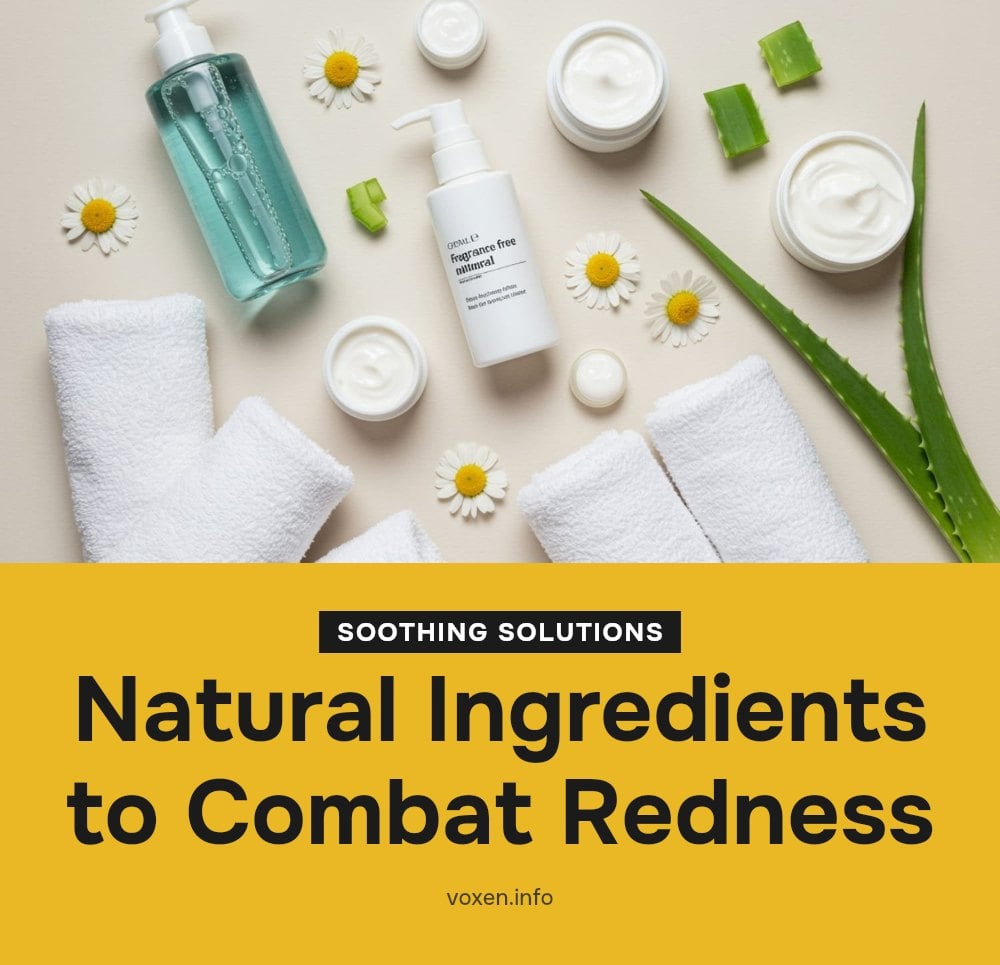
Use a fragrance-free cream or gel cleanser twice a day. Harsh cleansers strip the skin’s natural barrier, so look for something that cleans without foaming or leaving your face feeling tight.
Incorporate Soothing Ingredients
Niacinamide, centella asiatica (often called cica), and colloidal oatmeal are known for calming redness. A niacinamide serum or a cica cream can help strengthen the skin barrier over time. My tip: A colloidal oatmeal mask can be very soothing during an acute flare-up.
Protect with Sunscreen Every Day
Sun exposure is a major trigger for redness. Apply a broad-spectrum sunscreen with SPF 30 or higher every morning, even if you are staying indoors. Mineral sunscreens with zinc oxide or titanium dioxide are often better tolerated by sensitive skin.
Identify Your Personal Triggers
Pay attention to what makes your skin redder. Spicy foods, alcohol, hot drinks, wind, or stress can all be triggers. Keeping a simple log can help you spot patterns and avoid those factors.
Use Cool Compresses for Immediate Relief
For sudden redness or inflammation, a cool compress can help. Soak a clean cloth in cool water, wring it out, and hold it against your face for a few minutes. Caution: Do not apply ice directly to the skin, as it can cause irritation or even frostbite.
Common Mistakes When Dealing with Facial Redness
- Over-exfoliating: Trying to scrub away redness only damages your skin barrier and makes the problem worse. Stick to gentle cleansing and skip the harsh scrubs and frequent acids.
- Using harsh products: Alcohol, strong fragrances, and essential oils are common irritants. Choose fragrance-free, gentle formulations instead.
- Ignoring triggers: If spicy food or wind always makes your face red, avoiding those triggers is a simple but effective step.
- Inconsistent sunscreen use: Skipping SPF leaves your skin exposed to sun damage, which is a primary cause of redness. Make it a daily habit.
- Self-diagnosing: Not all redness is acne. Treating rosacea or eczema with harsh acne products can worsen the condition. If you are unsure, see a dermatologist.
Preventing Future Redness and Irritation
To keep redness from coming back, stick to a consistent routine that focuses on hydration and barrier support. A gentle cleanser, a moisturizer with ceramides or niacinamide, and daily SPF 30+ are your foundation. Always patch test any new product on a small area of skin before applying it to your whole face. Protect your face from sun, wind, and extreme temperatures with a scarf or wide-brimmed hat. Managing stress through practices like deep breathing or meditation can also help, since emotional factors may trigger flares. Avoid very hot showers or baths, as the heat can dilate blood vessels and worsen redness.
When to Consult a Dermatologist
If your redness is persistent, worsening, or doesn’t improve after a few weeks of gentle home care, it’s time to see a dermatologist. This is especially important if you suspect an underlying condition like rosacea, eczema, or contact dermatitis. Seek immediate medical attention if redness is accompanied by severe itching, swelling, pain, or blistering. A dermatologist can provide a proper diagnosis and a tailored treatment plan for chronic issues. If you’re unsure what’s causing your redness or which products are safe to use, professional guidance can save you time and further irritation.
Frequently Asked Questions
Can stress cause facial redness?
Yes, stress and emotional factors can sometimes trigger or worsen facial redness for some people. Managing stress through relaxation techniques or lifestyle changes may help reduce flare-ups, but it’s not a direct cause for everyone.
How long does it take to reduce facial redness?
With a consistent gentle skincare routine, you may start to see noticeable results within a few weeks. However, chronic conditions like rosacea require ongoing management, and improvement can vary depending on the cause and your individual skin.
Are there specific foods that worsen facial redness?
Yes, for some people, especially those with rosacea, spicy foods, hot drinks, and alcohol can trigger flare-ups. Pay attention to your diet and note any patterns to help identify your personal triggers.
Is it okay to wear makeup if I have facial redness?
Yes, you can wear makeup, but choose mineral-based or fragrance-free formulas that are less likely to irritate sensitive skin. Always remove makeup gently at the end of the day with a mild cleanser.
What’s the difference between rosacea and sensitive skin redness?
Rosacea is a chronic inflammatory condition with persistent redness, visible blood vessels, and sometimes bumps that can mimic acne. Sensitive skin redness is usually temporary and triggered by irritants like weather or products, without the same underlying condition.
Final Thoughts
My tip: stick with a simple, consistent routine of gentle cleansing, moisturizing, and daily SPF 30+ sunscreen. Expect to see some improvement within a few weeks, but remember that chronic conditions like rosacea need ongoing management. Listen to your skin, avoid your known triggers, and don’t hesitate to see a dermatologist if the redness doesn’t settle down.
This article is for general informational purposes only and does not constitute medical advice. Facial redness can have many causes, and a dermatologist should be consulted for a proper diagnosis and treatment plan if you have persistent, severe, or concerning symptoms.

