If you’ve ever felt your heart race during a stressful meeting or your stomach churn when you’re anxious, your vagus nerve is likely playing a role. This long nerve connects your brain to your abdomen and helps your body shift from ‘fight or flight’ to a calmer, more relaxed state. The good news is that simple practices, many of which you can do right at your desk, can help stimulate it. In this article, I’ll share what the vagus nerve does, how it affects your well-being, and easy ways to activate it throughout your day.
Key Takeaways
- Deep, slow belly breathing is the most direct way to stimulate the vagus nerve.
- Humming, singing, or gargling can activate the nerve through throat vibrations.
- Splash cold water on your face for a quick calming effect, if comfortable.
- Consistency matters: daily practice over weeks or months builds vagal tone.
- These practices complement, not replace, professional medical care.
What is the Vagus Nerve and Why Does It Matter?
The vagus nerve is the longest cranial nerve in your body, running from your brainstem all the way down to your abdomen. It’s a key part of your ‘rest and digest’ system, meaning it helps regulate your heart rate, digestion, and mood without you having to think about it. When you activate this nerve, you can shift your body out of ‘fight or flight’ mode and into a calmer state, reducing stress and promoting relaxation. Think of it as your built-in brake pedal for a racing mind.
How the Vagus Nerve Influences Your Well-being
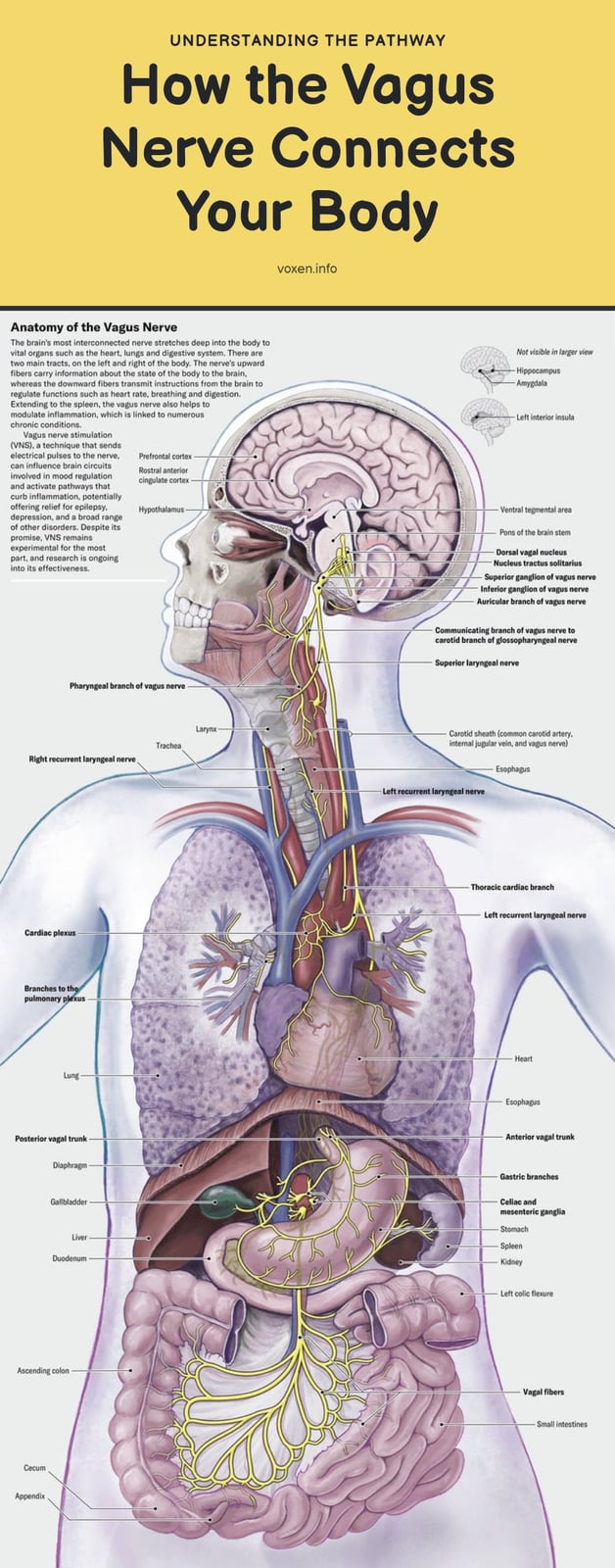
The vagus nerve is a core component of your parasympathetic nervous system, which is responsible for calming your body down after stress. It directly influences your heart rate, breathing, digestion, and even levels of inflammation. Higher vagal tone, meaning your vagus nerve is more active, is linked to better health, greater resilience to stress, and a more stable mood.
How Stress Affects Your Vagal Tone
Chronic stress can lower your vagal tone, making it harder for your body to relax after a tough day. This is why some people feel constantly on edge; their nervous system struggles to shift gears. The vagus nerve also plays a major role in the gut-brain axis, connecting your gut health directly to your mental well-being. A healthy gut can support a calm mind, and vice versa.
Simple Ways to Activate Your Vagus Nerve Anywhere
You can activate your vagus nerve with simple practices you can do anywhere, even at your desk.
Slow, Deep Belly Breathing
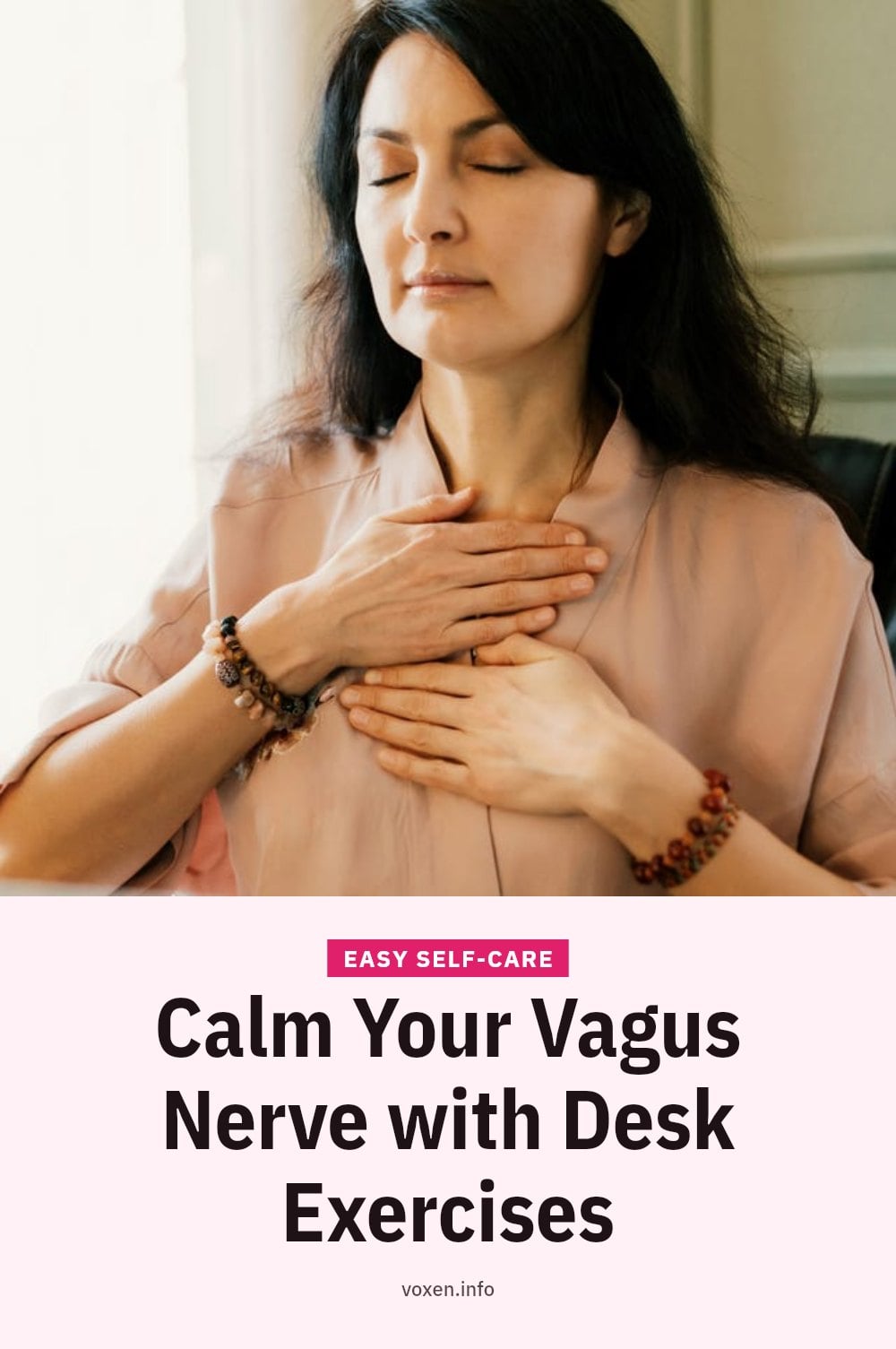
This is the most direct way to stimulate the nerve. Breathe in through your nose for four counts, let your belly expand, then exhale slowly for six counts. My tip: Place one hand on your chest and one on your belly; only the belly hand should rise.
Humming or Singing
The vibrations from humming or singing stimulate the vagus nerve through your throat muscles. Hum a tune you love or sing along to a song during your commute.
Cold Water Splash
Splash cold water on your face, especially around the eyes and cheeks, to trigger a vagal response. If you’re comfortable, try ending your shower with 30 seconds of cool water.
Gargling
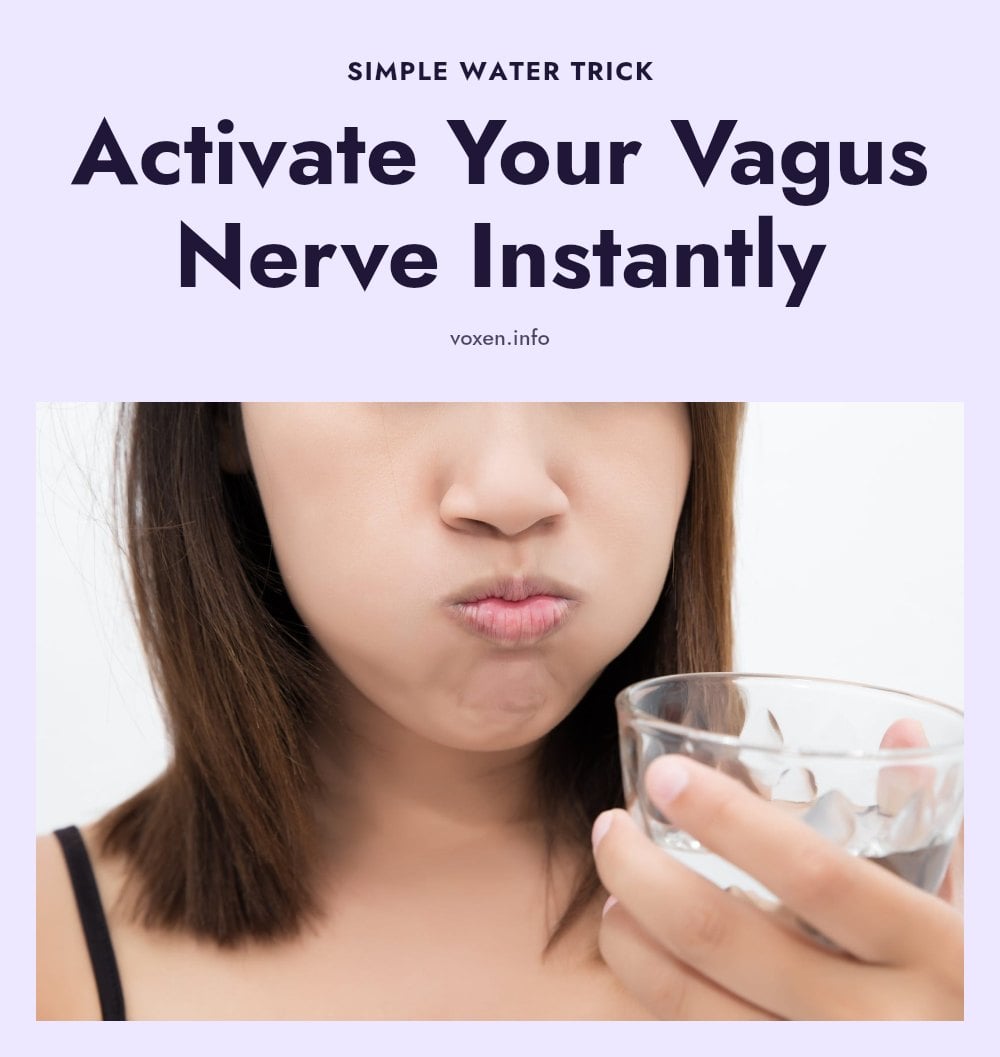
Gargle vigorously with water for 30-60 seconds. This contracts the muscles in the back of your throat, which are connected to the vagus nerve. Tip: Do this while you brush your teeth in the morning.
Mindful Meditation and Gentle Yoga
Even five minutes of mindful meditation or a few gentle yoga poses, like a forward fold or child’s pose, can enhance vagal tone over time. Focus on slow, deliberate movements and your breath.
Social Connection and Laughter
Positive social interactions and genuine laughter positively influence vagal activity. Call a friend, watch a funny video, or share a laugh with a coworker.
Common Misconceptions About Vagus Nerve Stimulation
- Believing it’s a cure-all: Vagus nerve stimulation is a complementary practice, not a replacement for medical treatment. It works best alongside professional care.
- Lack of consistency: Sporadic attempts yield minimal results. Consistent daily practice is key to building better vagal tone.
- Ignoring foundational habits: Good sleep, nutrition, and stress management are still vital. These practices enhance, not replace, a healthy lifestyle.
- Expecting instant profound relaxation: While some relief can be immediate, sustained improvements take time and practice. Be patient with yourself.
- Confusing DIY with medical devices: These simple practices are distinct from implanted VNS devices used in medical settings. They are safe, accessible tools for daily use.
How Long Until You Feel a Difference?
You may feel a temporary sense of calm after your first deep breathing or cold splash. That immediate relief is real, but it’s a short-term shift. For lasting changes in your vagal tone and overall stress resilience, consistency is what matters. Most people need several weeks to a few months of daily practice to notice sustained improvements in mood, digestion, and relaxation.
Good to know: These practices are essentially free. You don’t need special tools or memberships. A quiet space, water, and a few minutes of your day are all it takes.
When to Consult a Healthcare Professional
These techniques are meant to support your well-being, not replace professional care. If you have a heart condition, speak with your doctor before trying cold exposure or intense breathing exercises. Stop any practice that causes dizziness, lightheadedness, or increased anxiety.
- Important: Vagus nerve stimulation is a complementary tool, not a substitute for prescribed treatments for chronic conditions.
- When to call a professional: If you experience persistent stress, anxiety, or other health concerns, seek personalized advice from a healthcare provider.
Frequently Asked Questions
How quickly do vagus nerve exercises work?
Some practices, like deep breathing or a cold splash, may give you a temporary sense of calm within minutes. However, for sustained improvements in vagal tone and overall stress resilience, most people need to practice consistently for several weeks or months. Think of it like exercise: one session feels good, but regular training builds lasting strength.
Can stimulating the vagus nerve help with anxiety?
Many people find that vagus nerve stimulation, through techniques like slow breathing or meditation, can help reduce feelings of anxiety by activating the parasympathetic nervous system. It may promote relaxation and shift your body out of a stressed state. However, it is not a cure for anxiety disorders, and if you experience persistent or severe anxiety, it’s important to consult a healthcare professional.
Is vagus nerve stimulation safe for everyone?
Not necessarily. While gentle practices like deep breathing are generally safe, cold exposure or intense breathing exercises may not be suitable for everyone, especially if you have a heart condition. If you have any health concerns, talk to your doctor first. Also, stop any practice that causes dizziness, lightheadedness, or increased anxiety. These techniques are complementary and should not replace prescribed treatments.
What is vagal tone and why is it important?
Vagal tone refers to the activity level of your vagus nerve. Higher vagal tone is associated with better physical and emotional health, including greater resilience to stress, improved heart rate regulation, and better digestion. You can think of it as a measure of how well your body can calm itself down. Practices like deep breathing and meditation may help enhance your vagal tone over time.
Can diet affect my vagus nerve function?
Yes, the vagus nerve is part of the gut-brain axis, so your gut health can influence your nervous system. A diet rich in fiber, fermented foods, and omega-3 fatty acids may support a healthy gut microbiome, which in turn can positively affect vagal activity. However, more research is needed, and dietary changes should be part of an overall healthy lifestyle, not a standalone fix.
Final Thoughts
For a practical start, try incorporating slow, deep belly breathing into your day, especially during stressful moments. You may feel a temporary sense of calm right away, but for lasting changes in your vagal tone and stress resilience, aim for consistent daily practice over several weeks or months. Remember, these techniques are supportive, not a substitute for professional care. If you have a heart condition or experience persistent stress or anxiety, talk to your healthcare provider before diving into cold exposure or intense breathing exercises.
This article is for general informational purposes only and is not meant as medical or professional advice. The practices described are complementary and should not replace any treatment prescribed by your doctor. If you have a heart condition, chronic stress, anxiety, or any persistent health concern, please consult a qualified healthcare professional before trying these techniques.

