You want to wake up feeling refreshed and ready to go, but getting out of bed often feels like a battle. The secret to a gentle morning actually starts the night before, with a simple evening routine that helps your body wind down naturally. This article covers the key habits, tools, and mistakes to know so you can wake up earlier without the grogginess.

Key Takeaways
- Stick to the same bedtime and wake-up time every day, even on weekends, to regulate your internal clock.
- Dim the lights and avoid screens for 30-60 minutes before bed to support melatonin production.
- Keep your bedroom cool, between 60-67 degrees Fahrenheit, for optimal sleep quality.
- A sunrise alarm clock can help you wake up more gently than a standard alarm.
- Prepare for the next morning the night before to reduce decision fatigue and stress.
How to Wake Up Feeling Refreshed
Waking up refreshed starts the night before. Your body needs consistent signals to wind down, so a regular evening routine, a dark and cool bedroom, and mindful activities like reading or a warm bath set the stage for a gentle morning. Optimize your sleep environment with blackout curtains and a comfortable temperature, and avoid screens and heavy meals close to bedtime. These small, consistent steps help your circadian rhythm work with you, not against you.
Why Your Night Routine Impacts Your Morning
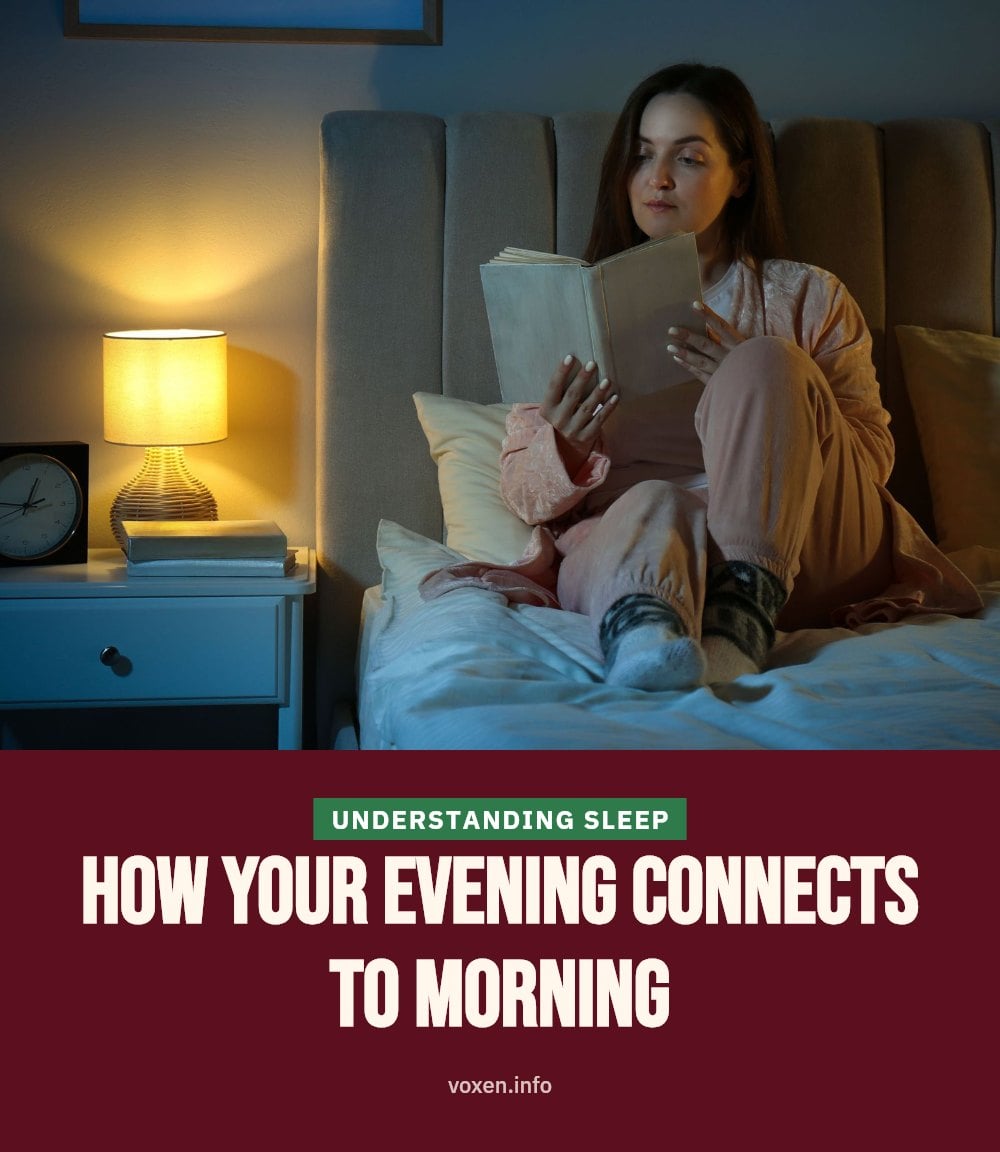
How Your Evening Habits Shape Your Morning
Your body runs on a circadian rhythm, a natural 24-hour cycle that controls when you feel alert and when you feel sleepy. Everything from light exposure to room temperature and what you consume before bed sends signals that can either support or disrupt this rhythm.
Melatonin is the hormone that tells your body it’s time to sleep. Blue light from phones, tablets, and laptops suppresses melatonin production, making it harder to fall asleep and wake up refreshed. Bright overhead lights have a similar effect. Stimulants like caffeine can stay in your system for hours, its effects can last for 6-8 hours, so that afternoon coffee may still be interfering at bedtime.
Essential Tools for a Better Morning

A few simple tools make a noticeable difference. Blackout curtains or a comfortable eye mask block unwanted light that can interrupt sleep. A sunrise alarm clock simulates natural daylight, easing you awake instead of jolting you out of deep sleep. Comfortable bedding and keeping your bedroom cool, between 60-67°F (15-19°C), are also essential for restful, uninterrupted sleep.
Your Step-by-Step Gentle Night Routine

- Set a consistent bedtime and wake-up time: Stick to the same schedule even on weekends. This trains your internal clock to expect sleep and wake at the same times each day.
- Dim the lights one to two hours before bed: Lowering the lights signals to your body that it is time to wind down. Use lamps or candles instead of overhead fixtures.
- Avoid screens for at least 30-60 minutes before bed: Blue light from phones, tablets, and TVs suppresses melatonin, making it harder to fall asleep. Use this time for your wind-down routine instead.
- Create a relaxing pre-sleep routine: A warm bath or shower helps lower your core body temperature afterward, which promotes sleep. Reading a physical book or listening to calming music can also help your mind settle.
- Make your bedroom dark, quiet, and cool: Keep the room between 60-67°F (15-19°C). Use earplugs if needed, and block out any light sources.
Common Sleep Mistakes to Avoid
Even with the best intentions, a few common habits can quietly sabotage your sleep quality. Ignoring screen time is a major one; the blue light from your phone or laptop suppresses melatonin, making it harder to fall asleep and stay asleep. Another frequent mistake is trying to catch up on sleep over the weekend. This shifts your body’s natural rhythm, so Monday morning feels especially rough.
Relying on alcohol to help you unwind is also counterproductive. While it may make you drowsy at first, alcohol disrupts sleep architecture, leading to fragmented, less restorative sleep later in the night. Finally, hitting the snooze button repeatedly creates sleep inertia, that groggy, disoriented feeling that can last for hours. Tip: Set your alarm for the time you actually need to get up and commit to getting out of bed on the first ring.
Smart Tips for a Smoother Morning

Small actions the night before and right after waking can make your morning flow much smoother. Prepare the night before by setting out your clothes or prepping breakfast ingredients. This cuts down on decision fatigue and morning stress. Hydrate early by keeping a glass of water on your nightstand and drinking it as soon as you wake up, which helps rehydrate your body after a night’s sleep.
Gentle movement, like a few minutes of stretching or a short yoga flow right after waking, can energize your body without shocking your system. Tip: Focus on deep breaths during these stretches to signal to your body that it’s time to be alert. Limit caffeine and heavy meals in the hours before bed; caffeine has a half-life of about 5-6 hours, so that afternoon coffee can still interfere with your sleep cycle.
When to Consult a Healthcare Professional
If you consistently struggle with sleep despite implementing good habits for several weeks, it may be time to consult a healthcare professional. Persistent sleep issues can sometimes point to underlying conditions like insomnia or sleep apnea. Be mindful of any pain or discomfort that disrupts your rest, and discuss it with your doctor. Avoid self-medicating with over-the-counter sleep aids without professional guidance, as they can have side effects and may not address the root cause.
Timeline for Establishing New Sleep Habits
Expect to practice your new evening routine consistently for several weeks before you notice a real difference. Habit formation takes time, and your body needs that period to adjust its internal clock. The good news is that most of these tips are free or involve minimal costs, like a pair of blackout curtains or a simple eye mask. Consider these small purchases an investment in your daily energy and well-being.
Frequently Asked Questions
How does light affect my ability to wake up?
Light is the strongest signal for your body’s internal clock. Bright light in the evening, especially blue light from screens, can suppress melatonin and delay sleep. In the morning, exposure to natural light helps shift your body into wake mode. A sunrise alarm clock can mimic this natural light transition to make waking up gentler.
Can I still drink coffee if I want to wake up early?
Yes, but timing matters. Caffeine has a half-life of about 5-6 hours, so half of what you consume is still in your system after that time. To avoid interfering with sleep, it is best to stop drinking coffee or other caffeinated beverages at least 6-8 hours before your planned bedtime. This helps you fall asleep more easily and wake up feeling more rested.
What if I have trouble falling asleep even with a routine?
If you have been following a consistent routine for several weeks and still struggle to fall asleep, it may be time to talk to a healthcare professional. Persistent sleep issues can sometimes point to underlying conditions like insomnia or sleep apnea. A doctor can help rule out these possibilities and guide you toward appropriate solutions.
Is it okay to nap during the day if I want to wake up early?
Napping can be fine if done wisely. Keep naps short, around 20-30 minutes, and avoid napping too late in the afternoon, as this can interfere with your ability to fall asleep at night. If you find that naps make it harder to stick to your bedtime, it may be better to skip them until your nighttime sleep is more consistent.
Final Thoughts
Start by picking just one or two changes, like setting a consistent bedtime or dimming the lights an hour before sleep, and stick with them for several weeks. You can expect to see noticeable improvements in how easily you wake up and how refreshed you feel. A gentle night routine is one of the most reliable ways to make your mornings smoother and more enjoyable.
This article is for general informational purposes only and does not constitute medical advice. Sleep needs and responses vary by individual. If you have persistent sleep difficulties or concerns about your health, please consult a qualified healthcare professional for personalized guidance.

