If you are tired of your hair feeling dry, damaged, or just tired of the daily wash routine, you are not alone. Stretching time between washes can actually help your scalp rebalance its natural oil production, leading to healthier hair overall. This article covers why washing less works, what tools you need, and a simple step-by-step plan to make the transition easier.
Key Takeaways
- Gradually add one extra day between washes every week or two for a smoother transition.
- Use dry shampoo at the first sign of oil, before hair gets greasy, to soak up excess sebum.
- Apply conditioner only to your ends, never the scalp, to keep roots from getting greasy faster.
- Expect your scalp to take 2 to 6 weeks to adjust to a less frequent washing schedule.
- Brush your hair daily from scalp to ends to distribute natural oils and keep hair looking fresh.
Why Washing Your Hair Less Often Can Be a Game Changer
Washing your hair less often lets your scalp rebalance its natural oil production, which can lead to healthier hair and a less greasy scalp overall. The process is simple: gradually extend the time between washes, use dry shampoo strategically, and stick with a consistent hair care routine. The payoff is hair that looks and feels better without daily shampooing.
Understanding Your Scalp’s Natural Oil Production

Your scalp naturally produces sebum, an oil that moisturizes both your hair and skin. When you wash too frequently, you strip away these natural oils. In response, your scalp can overcompensate by producing even more oil, creating a cycle of greasiness that makes you feel like you need to wash again soon.
How Less Frequent Washing Helps
By cutting back on washes, you give your scalp time to adjust and normalize its oil output. The transition usually takes a few weeks, but once your scalp rebalances, you will notice less oiliness between washes and a healthier scalp overall. Your hair also benefits from retaining its natural moisture.
Essential Tools for Extending Your Wash Days
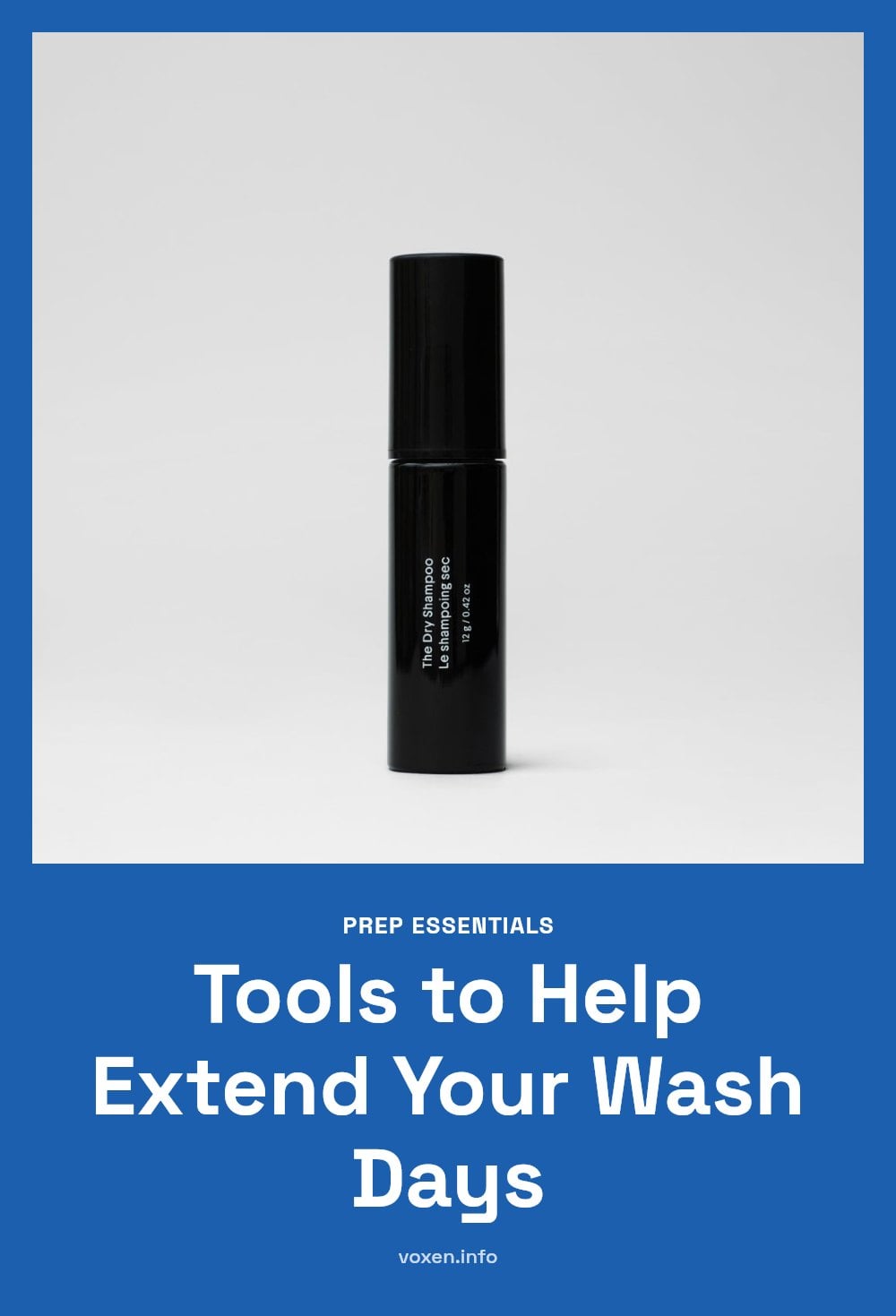
Having the right tools makes stretching wash days much easier. Here is what you need:
- Dry shampoo: Absorbs excess oil at the roots and adds volume, buying you an extra day or two.
- Gentle, sulfate-free shampoo: Cleanses without stripping natural oils.
- Conditioner: Apply mainly to the ends to moisturize without weighing down roots.
- Hairbrush: Distributes natural oils from scalp to ends, keeping hair healthier.
- Hair ties or clips: Help you style hair up to conceal oiliness between washes.
- Silk or satin pillowcase: Reduces friction and helps hair stay cleaner longer.
Your Step-by-Step Guide to Washing Hair Less Often

Transitioning to fewer washes works best when you follow a consistent routine. Here are the steps that get results.
- Gradually extend wash days: Start by adding one extra day between washes. Wait a week or two, then add another day. Give your scalp time to adjust.
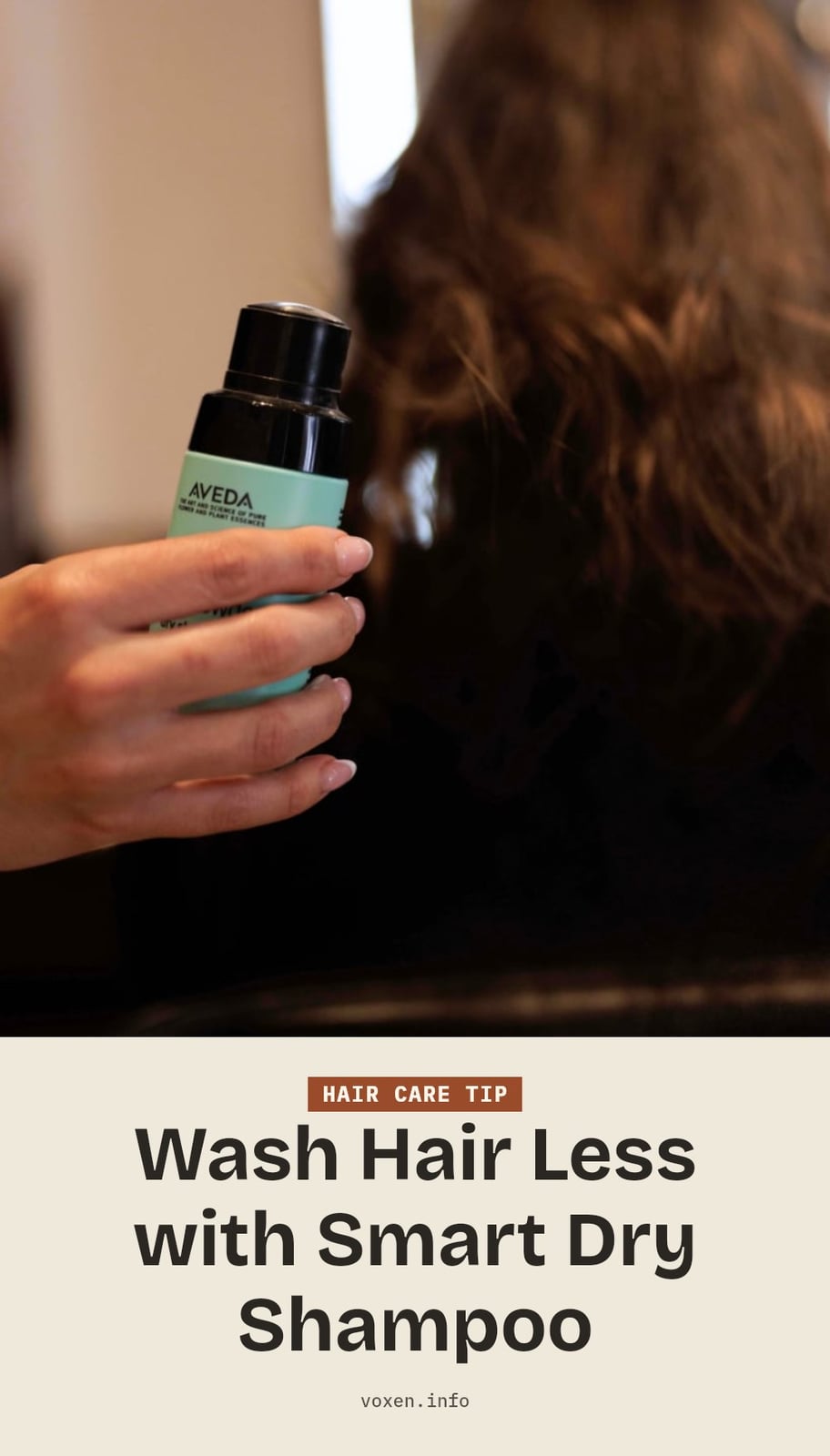
- Apply dry shampoo at the roots: Use it before hair gets very greasy. Spray onto the roots, wait a minute, then brush through. This absorbs oil and adds volume.
- Brush hair daily from scalp to ends: Brushing distributes natural oils down the hair shaft, reducing the greasy look at the roots while moisturizing the ends.
- Use a gentle, sulfate-free shampoo when you wash: It cleanses without stripping your scalp. Focus the shampoo on the roots and scalp.
- Rinse thoroughly with lukewarm water, then finish with a cool rinse: Lukewarm water removes product residue without stripping oils, while the cool rinse seals the cuticle to reduce frizz and help hair stay cleaner longer.
- Keep hands out of your hair: Touching transfers oils from your fingers to your hair, making it look greasy faster. Avoid running your hands through your hair during the day.
Common Mistakes When Trying to Stretch Wash Days
Expecting your hair to look less greasy after one week? That is the most common mistake. Scalp adjustment takes 2 to 6 weeks, so patience is key.
Applying dry shampoo only after your hair looks oily is another pitfall. Use it proactively, before grease sets in, to absorb oil before it shows.
Using too much dry shampoo leaves a white residue and a gritty feel. A light dusting at the roots is enough.
Not rinsing shampoo and conditioner thoroughly weighs hair down and makes it look dull. Rinse until water runs clear.
Touching your hair throughout the day transfers oils from your fingers to your strands. Keep hands away to stretch wash days further.
Smart Habits to Keep Hair Fresher Longer
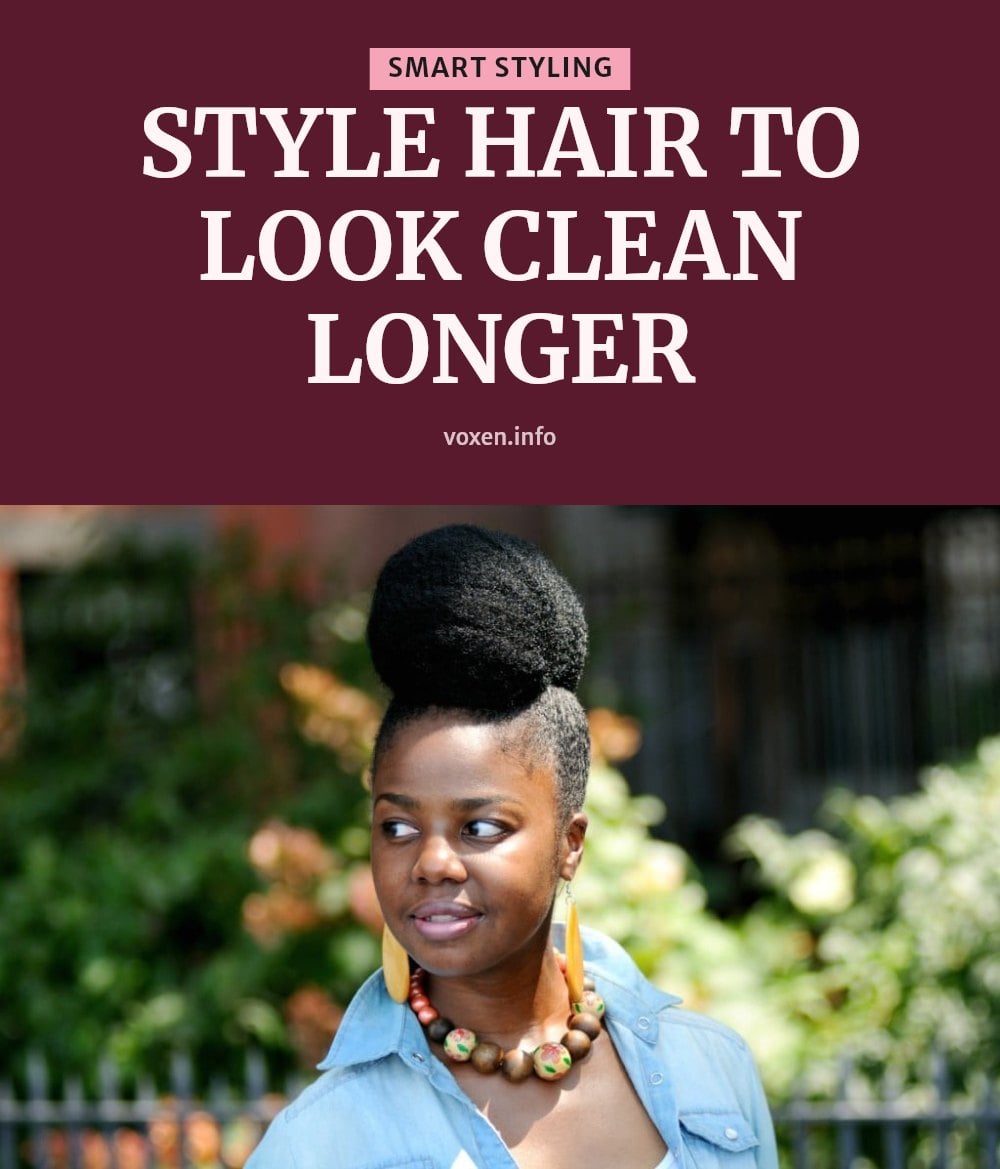
Wearing hair up in a bun or ponytail hides oiliness and adds a fresh look without a wash. Use a soft scrunchie to avoid breakage.
Conditioner belongs on your ends only. Applying it to your scalp speeds up greasiness at the roots.
Rinse thoroughly with cool water. Hot water strips natural oils and can stimulate oil glands, while cool water helps seal the cuticle.
Clean your hairbrush weekly to remove product buildup and oils that transfer back to clean hair. A quick soak in warm water with a drop of shampoo works.
Sleeping on a silk or satin pillowcase reduces friction, helping hair stay cleaner and less tangled between washes.
How Long It Takes to Adjust and What to Expect
Your scalp typically needs 2 to 6 weeks to adjust to a less frequent washing schedule. During this period, oiliness may feel worse before it improves.
Results become more noticeable over time. Hair looks less greasy, feels healthier, and you save time on wash days.
The cost is minimal. You likely already own a gentle shampoo and conditioner. Adding a dry shampoo is the only new expense, and one bottle lasts months.
When to Consult a Professional About Your Scalp
If you experience persistent scalp itching, redness, or flaking, see a dermatologist. These symptoms may indicate a scalp condition like seborrheic dermatitis or psoriasis, not just oiliness.
A hair stylist can also offer personalized advice. They can assess your hair type and scalp health to recommend a washing frequency that works for you.
Frequently Asked Questions
How long does it take for hair to adjust to less frequent washing?
It typically takes 2 to 6 weeks for your scalp to adjust to a less frequent washing schedule. During this period, oiliness may feel worse before it improves. Results become more noticeable over time as your scalp rebalances its natural oil production.
Can washing hair less often make it healthier?
Yes, for many people. Washing less often allows your scalp to maintain its natural sebum, which moisturizes hair and skin. Over time, this can lead to less dryness and less breakage, and your hair may appear shinier and feel stronger.
What if my hair still gets oily quickly?
If you are already stretching wash days and still see oil quickly, try using a gentle, sulfate-free shampoo and apply conditioner only to your ends. Also, avoid touching your hair throughout the day and consider using a boar bristle brush to distribute oils evenly.
Is dry shampoo bad for my hair or scalp?
Dry shampoo is generally safe for occasional use, but it is not a replacement for washing. Overuse can lead to buildup on the scalp, which may cause itching or flaking. Use it in a well-ventilated area and wash your hair thoroughly on wash days to remove residue.
Should I still use conditioner if I’m washing less?
Yes, but apply it only to the ends of your hair. Conditioner on your scalp or roots can make hair greasier faster. Since you are washing less often, focus conditioner on the mid-lengths and ends to keep them moisturized without weighing down your roots.
Final Thoughts
My tip is to stick with the gradual approach: add one extra day, give it a week or two, then add another. Realistically, your scalp needs 2 to 6 weeks to adapt, so do not expect overnight results. With consistent habits like using dry shampoo preemptively and conditioning only your ends, you will see healthier, less greasy hair over time.
This article provides general information about hair care routines and is not a substitute for professional medical or dermatological advice. If you experience persistent scalp itching, redness, or flaking, consult a dermatologist or a qualified hair care professional for a proper diagnosis and treatment plan.

