Winter air is tough on your skin. Cold temperatures and low humidity strip away natural oils, leaving your face dry, tight, and irritated. Indoor heating only makes it worse by pulling even more moisture from the air. The good news is that your skin repairs itself most actively at night, so a targeted evening routine can make a real difference.
This article walks you through a step-by-step winter night routine, the essential products to use, common mistakes to avoid, and tips to keep your skin comfortable all season long.

Key Takeaways
- Cleanse with lukewarm water and a gentle cream or oil cleanser.
- Layer products from thinnest to thickest for better absorption.
- Finish with a rich, occlusive moisturizer to lock in hydration.
- Run a humidifier in your bedroom overnight for extra moisture.
- Reduce exfoliation frequency during winter to avoid irritation.
Why Your Skin Needs a Special Night Routine in Winter
Winter air is dry, cold, and relentless. It strips your skin of its natural oils, leaving your barrier compromised and your face feeling tight. Indoor heating makes things worse by pulling even more moisture out of the air. That is why nighttime is your best window for repair. Your skin’s natural regeneration processes are most active while you sleep, so applying targeted treatments in the evening gives them the best chance to work. A dedicated winter night routine is not optional, it is how you fight back against the season.
Essential Products for Your Winter Nighttime Skincare
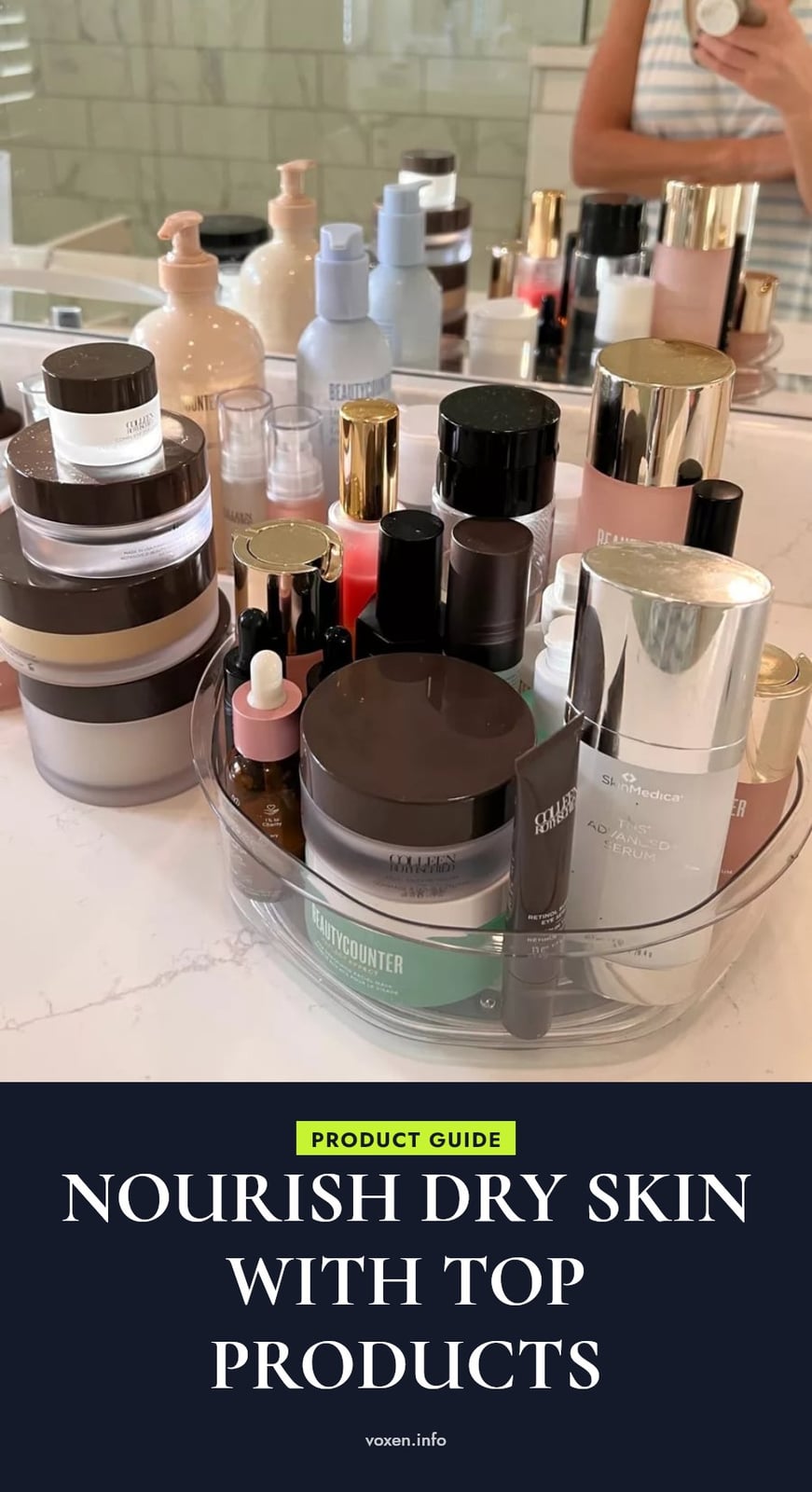
Your winter night routine needs specific players to restore and protect. Here is what should be in your lineup:
- Gentle cream or oil cleanser: Removes buildup without stripping your skin’s moisture barrier.
- Hydrating toner or essence: Preps your skin so the next layers absorb better. Apply it to damp skin.
- Hyaluronic acid serum: A humectant that pulls water into the skin for deep hydration.
- Ceramide-rich moisturizer: Strengthens the skin barrier and seals everything in.
- Facial oil: Adds extra nourishment and helps lock moisture in overnight.
- Sleeping mask: An intensive treatment you use 2-3 times a week for a hydration boost.
- Humidifier: Adds moisture back into the bedroom air so your skin does not dry out while you sleep.
Step-by-Step: Your Ultimate Winter Nighttime Routine

Here is the exact order I follow every winter night. The rule is thinnest to thickest so each layer can absorb properly.
- Cleanse with lukewarm water: Hot water strips your skin’s natural oils. Use a gentle cream or oil cleanser and lukewarm water only. Pat your face dry with a soft towel, do not rub.
- Apply hydrating toner or essence to damp skin: Do not wait until your face is dry. Spritz or pat on a hydrating toner while your skin is still slightly damp. This preps it to hold more moisture.
- Layer hyaluronic acid serum: Press a few drops onto your damp skin. Hyaluronic acid works by pulling water into the skin, so applying it to damp skin makes it more effective.
- Seal with a rich, ceramide-based moisturizer: This locks in all the hydration you just layered on. Ceramides help repair and strengthen the skin barrier.
- Add a facial oil for extra barrier support: My tip is to warm a few drops between your palms and press them over your moisturizer. This adds an occlusive layer that prevents moisture loss overnight.
- Consider a sleeping mask 2-3 times a week: On nights your skin feels extra tight, swap your moisturizer for a sleeping mask. It delivers a concentrated dose of hydration while you sleep.
Common Winter Skincare Mistakes and How to Avoid Them
Even a solid routine can backfire if you make these common winter mistakes. Here is what to watch for:
- Using the same routine year-round: Your summer products are not heavy enough for winter. Switch to richer, more hydrating formulas when the temperature drops.
- Over-cleansing or using harsh cleansers: Foaming cleansers can strip your skin. Stick to gentle, hydrating cream or oil cleansers and wash only once at night.
- Not layering hydrating products: A single moisturizer is not enough in winter. Build moisture with a toner, a hyaluronic acid serum, and a rich moisturizer.
- Forgetting to moisturize thoroughly: Do not skip moisturizer, even if your skin feels oily in spots. Apply a rich layer as your final step every night.
- Over-exfoliating: Your skin is already sensitive from the cold. Reduce exfoliation to once a week or skip it entirely until your skin feels comfortable.
- Using products with high alcohol content: Alcohol strips moisture. Check your labels and avoid toners or treatments that list alcohol high in the ingredients.
Top Tips for Keeping Winter Skin Happy and Hydrated

Small adjustments make a big difference in winter. My tip: run a humidifier in your bedroom overnight. It adds moisture back into the air, which your skin absorbs while you sleep. Pat your skin dry after washing instead of rubbing. Rubbing creates friction that irritates a compromised barrier. Apply every product to slightly damp skin. Damp skin absorbs humectants like hyaluronic acid more effectively than dry skin. Listen to your skin. If your face feels tight or flaky, cut back on exfoliation or add an extra layer of moisturizer for a few days.
When to Seek Professional Help for Persistent Winter Skin Issues
Most winter dryness resolves with a consistent routine, but some signs need a dermatologist. If your skin becomes excessively red, itchy, or develops a rash, stop all new products immediately and book an appointment. If dryness or irritation does not improve after a week of gentle care, a professional can prescribe treatments or identify underlying conditions. Caution: introducing too many new products at once makes it impossible to tell which one is causing a reaction. Add one product at a time and wait three to four days before adding another.
Frequently Asked Questions
Why does my skin get so dry in winter?
Cold air and low humidity strip your skin of its natural oils, and indoor heating reduces air moisture even further. This combination weakens your skin’s barrier, leading to dryness and tightness. A nighttime routine that includes humectants, emollients, and occlusives can help restore balance.
Can I use my regular cleanser in winter?
If your regular cleanser is a harsh foaming type, it may be too stripping for winter. Switch to a gentle cream or oil cleanser and use lukewarm water instead of hot. This helps preserve your skin’s natural moisture while removing buildup effectively.
How often should I exfoliate dry winter skin?
Exfoliation should be reduced during winter to avoid irritating already sensitive skin. Aim for once a week at most, using a gentle method. If your skin feels tight or flaky, skip exfoliation entirely and focus on hydration and barrier repair.
Is a humidifier really worth it for winter skin?
Yes, a humidifier can be a game changer. Indoor heating dries out the air, and running a humidifier in your bedroom adds moisture back, which your skin absorbs while you sleep. It is a simple, low-effort way to boost hydration overnight.
Final Thoughts
Stick with a consistent routine, and you should see improvements in skin hydration and comfort within a few days to a week, with optimal results over several weeks. My tip: always finish with a rich moisturizer, and consider adding a facial oil or sleeping mask for extra nourishment. If your skin stays red, itchy, or rashy after a week of consistent care, it is time to see a dermatologist.
This article is for general informational purposes only and is not a substitute for professional medical advice. If you have persistent dryness, irritation, or a skin condition, consult a dermatologist for personalized guidance.

